Innovations in Grinding Wheel Technology: Materials, Design and 3D Additive Manufacturing
Market News

Innovations in Grinding Wheel Technology: Materials, Design and 3D Additive Manufacturing

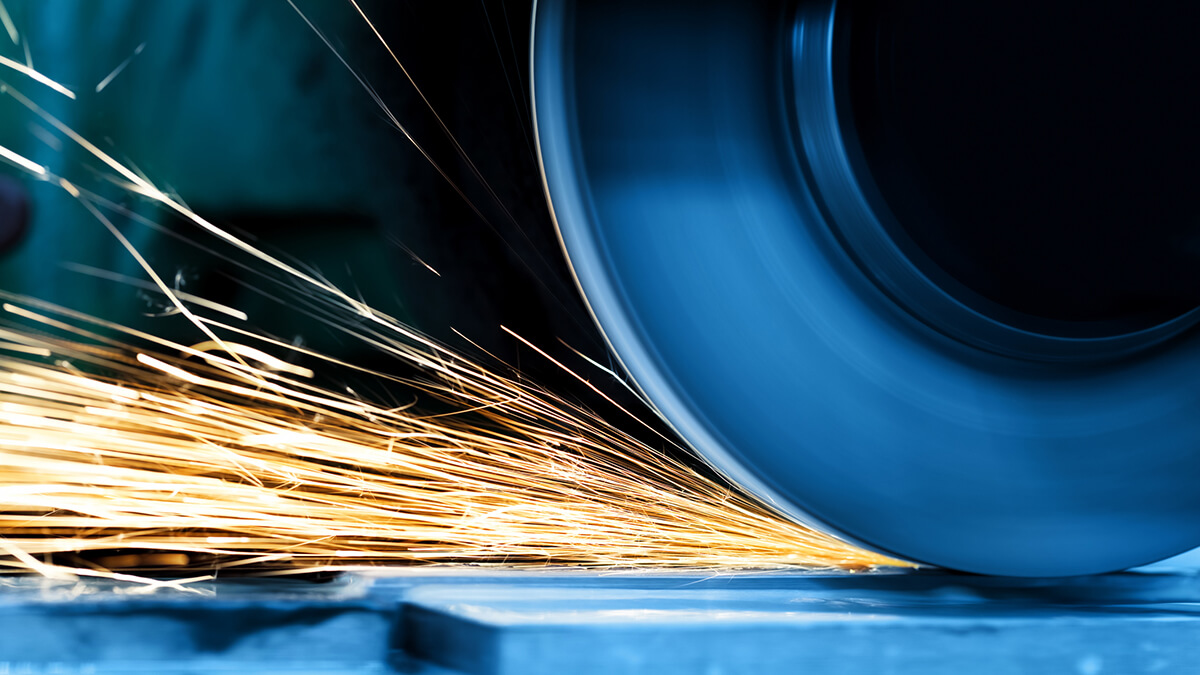
From the rudimentary stones used in ancient times to the highly sophisticated wheels of today, the evolution of grinding wheel materials and design has been marked by a relentless pursuit of precision and efficiency. Early grinding wheels were often made from natural abrasives like sandstone. Today, materials such as aluminum oxide and silicon carbide, along with advancements in design and the introduction of additive manufacturing, have revolutionized the grinding process.
Published: Oct 23, 2024
Innovations in Grinding Wheel Technology: Materials, Design and 3D Additive Manufacturing

Historical Perspective

The history of grinding wheel materials dates back thousands of years, where abrasive particles were initially embedded in natural materials like wood or leather. With the advent of industrialization, natural materials gave way to more durable and consistent options. Silicon carbide and aluminum oxide emerged as early synthetic abrasive materials, revolutionizing grinding processes in the 19th century.

Traditional grinding wheels, while effective, may lack the durability required for grinding certain advanced materials and achieving the precision demanded by modern manufacturing. Advanced grinding wheels, utilizing ceramic, CBN, or diamond abrasives, offer superior performance, especially when dealing with hard and challenging materials. They excel in providing high material removal rates, extended tool life, and enhanced precision, making them indispensable for cutting-edge manufacturing processes.

Latest Materials in Grinding Wheel Manufacturing

 Ceramic Abrasives   

Ceramic grinding wheels offer enhanced durability and heat resistance. Composed of a mixture of ceramic grains and bonding agents, these wheels excel in high-speed and heavy-duty grinding applications.

2. CBN (Cubic Boron Nitride) Grinding Wheels

CBN abrasives are composed of boron and nitrogen atoms in a crystal lattice structure. CBN wheels excel in grinding ferrous materials, providing high thermal conductivity and resistance to wear. Their exceptional hardness makes them suitable for grinding hardened steels, cast iron, and nickel-based alloys, making them invaluable in industries like aerospace and automotive.

3. Diamond Grinding Wheels

Diamond abrasives are the hardest known materials, and their exceptional hardness makes them ideal for grinding hard and brittle materials. Widely used in industries such as electronics and medical devices, diamond wheels ensure prolonged tool life and high material removal rates due to their exceptional hardness.

Structured Abrasives

Innovations in abrasive structures, such as engineered grain spacing and orientation, contribute to improved efficiency and surface finish. These structured abrasives enhance chip evacuation and reduce heat buildup during grinding, leading to higher material removal rates and improved wheel longevity.

Advanced Bonding Systems

The bonding system in grinding wheels has undergone significant advancements. Resin, heat fused glass, and metal bonds are tailored to specific applications, providing the necessary strength, porosity, and thermal stability. Hybrid bonding systems combine the advantages of different bonds for enhanced performance.

Post-Processing of 3D-Printed Components

Additive manufacturing (AM) processes, such as 3D printing, often produce components with unique geometries and surface characteristics. While the layer-by-layer nature of additive manufacturing imparts incredible design flexibility, it can also leave surfaces with rough textures and imperfections. Grinding techniques are crucial to achieving the surface finish, precise dimensions, and mechanical integrity required for 3D-printed components. Innovations in abrasive materials, including superabrasives like cubic boron nitride (CBN) and diamond, enhance the ability to handle diverse 3D-printed materials with varying hardness.

Robotics, Automation, and Real-Time Monitoring

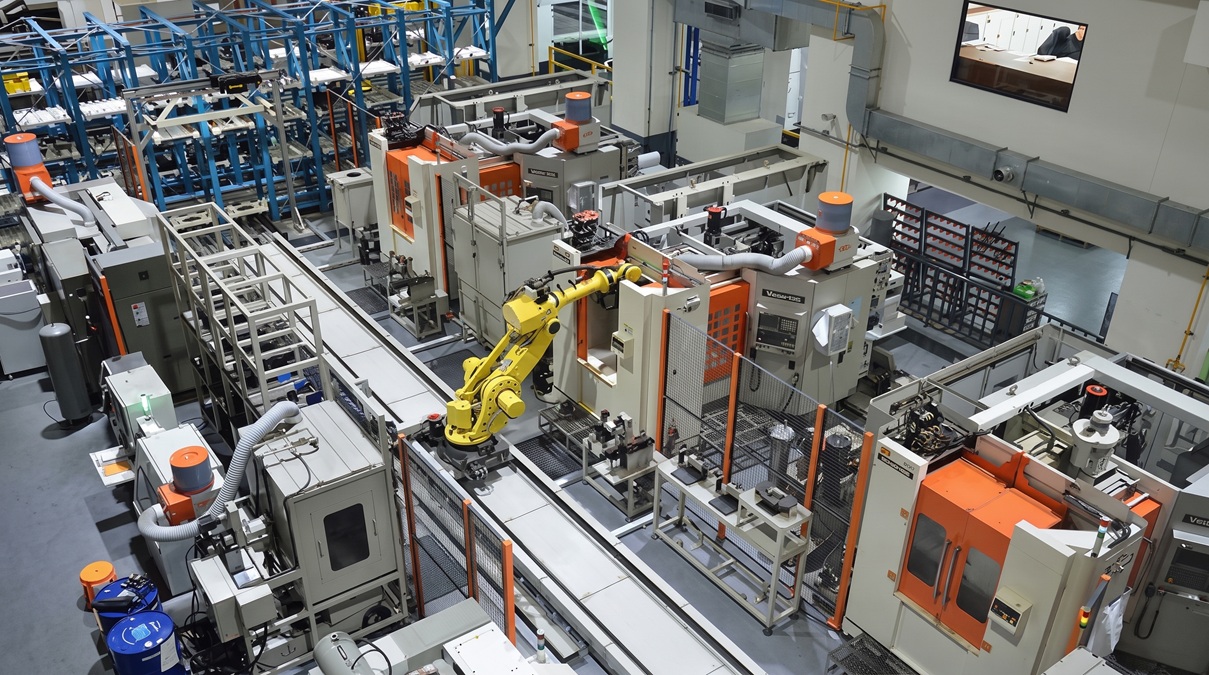
With the integration of robotics and automation into grinding processes, automated systems can handle repetitive and intricate grinding tasks with unmatched precision, contributing to consistency and efficiency. Industry 4.0 has made real-time monitoring and quality control possible, as sensors and monitoring systems provide instant feedback, allowing for adjustments on the fly and ensuring the highest quality in post-processed components.

Challenges and Opportunities

The connection between additive manufacturing and grinding presents both challenges and opportunities. Complex geometries produced through AM may require innovative grinding approaches to ensure precision and surface quality.

Challenges

Surface Complexity

The intricate geometries and varying layer heights of 3D-printed components pose challenges in achieving uniform grinding across the entire surface.

Material Variability

Different additive manufacturing materials, such as metals, polymers, or composites, exhibit varying hardness and abrasiveness. Grinding 3D-printed components requires a nuanced approach to accommodate these material differences and avoid unintended damage during the post-processing phase.

Thermal Considerations

Certain 3D-printed materials may be sensitive to the heat generated during grinding. Managing thermal effects is crucial to prevent distortion, warping, or changes in material properties that could compromise the final product's integrity.

Opportunities

Precision Refinement

Grinding offers the precision required to refine the surface finish of 3D-printed components. This is particularly crucial in industries like aerospace and medical, where exact specifications are non-negotiable.

Dimensional Accuracy

While additive manufacturing is highly accurate, there may be slight deviations in dimensional accuracy. Grinding allows for fine-tuning, ensuring that components meet tight tolerances and specifications.

Customization and Complexity

The ability to tailor grinding processes to specific geometries enhances the versatility of additive manufacturing applications.

Surface Integrity and Quality Control

Surface integrity is a critical factor in industries such as medical device manufacturing and aerospace engineering. The quality of surfaces post-grinding directly impacts the functionality, reliability, and safety of the final products. Advancements that have been made include:

Metrology

Metrology tools, such as profilometers and coordinate measuring machines (CMMs), provide precise measurements of surface features, roughness, waviness, and form, allowing manufacturers to assess the quality of ground surfaces with high accuracy. 

Microscopy

Advanced microscopy techniques, such as electron microscopy and confocal microscopy, enable detailed examinations of surface structures and potential defects at the micro and nanoscale levels.

Non-Destructive Testing: 

Non-destructive testing techniques, such as ultrasonic and eddy current testing, can be employed to assess subsurface conditions without altering the surface.

Future Directions

The future of advancements in surface integrity lies in the integration of Artificial Intelligence (AI) for real-time quality control and defect detection. Real-time monitoring has become increasingly sophisticated, utilizing sensors to gather data on parameters like temperature, vibration, and grinding forces. AI algorithms can analyze these vast amounts of data in real-time, identifying patterns and deviations that may not be apparent through traditional inspection methods.

The synergy between additive manufacturing and grinding is poised to address the unique challenges posed by 3D-printed components, promising continued innovation and excellence in precision manufacturing.


Published by Oct 23, 2024

Further reading

You might also be interested in ...

Headline
Market News
Ensuring Safety and Efficiency in Can-Making Equipment for High-Corrosion, High-Pressure Applications
In industrial packaging—particularly for chemicals, paints, and coatings—three-piece metal cans must endure extreme conditions: aggressive chemical formulations, internal pressurization, and long-term storage stability. Unlike beverage or food-grade containers, these applications demand superior corrosion resistance, leak-proof sealing, and structural robustness. Meeting these requirements starts not with the can itself, but with the can-making equipment that produces it. Manufacturers like Shin-I Machinery Works Co., Ltd. are rising to this challenge, offering specialized machinery designed explicitly for non-food, high-performance packaging. This article explores the critical design and production considerations for industrial three-piece cans, outlines key equipment selection criteria, and highlights leading global suppliers—including Shin-I—serving this demanding sector.
Headline
Market News
How Patented Screws Enhance Precision and Sustainability in Modular Projects
From Factory Precision to On-Site Efficiency: The Impact of Patented Screws on Modular Assembly
Headline
Market News
Mastering Aluminum Cutting - How Band Saw Machines Support EV and Aerospace Manufacturing
The growth of electric vehicles (EVs) and the aerospace industry has dramatically increased demand for advanced aluminum processing solutions. Aluminum’s high thermal conductivity and susceptibility to deformation require specialized cutting tools capable of precise, consistent cuts. Band saw machines have become central to this evolution, providing manufacturers with the control and efficiency needed to meet stringent specifications.
Headline
Market News
Recycled Plastics & Blow Molding - Equipment Trends Enabling a Circular Packaging Economy
The following article reviews how Plastic Blow Molding Machines are being adapted to process higher shares of recycled plastics (PCR and mechanically/chemically recycled streams). It evaluates machine design trends—full-electric drives, multi-layer co-extrusion, accumulator systems—and summarizes implications for manufacturers and brand owners. Key industry players are highlighted for context.
Headline
Market News
The Cross-Border Health Boom: Why Are Global Consumers Buying Supplements Abroad?
At airports, it's a common sight to see travelers dragging suitcases packed with health supplements from Japan or Germany. Why are so many people willing to spend extra money and risk customs checks just to bring home capsules from Japan, Germany, or even the US? This "cross-border health" trend is more than a personal choice; it reflects a mix of market factors driven by brand preference, price differences, and product uniqueness.
Headline
Market News
Taiwan's Machine Tools Lead Smart Manufacturing: A Value Leap from Production Tools to Data Core
In 2025, as global manufacturing continues its rapid digital transformation, the machine tool industry is facing significant change. International buyers in aerospace, electric vehicles, and high-end electronics are increasingly prioritizing smart services and data applications over mere machining precision. Taiwan's machine tool industry is actively integrating the Internet of Things (IoT), artificial intelligence, and big data technology, expanding from traditional hardware manufacturing into the smart solutions sector. This move helps global manufacturing clients boost production efficiency and enhance equipment maintenance management. This article will delve into how Taiwan's machine tool industry is becoming an indispensable smart partner for global manufacturing, delivering sustained value.
Headline
Market News
Emerging Technologies and Market-Driven Integration of the Machine Tool Industry Chain
In the fast-evolving global manufacturing landscape, electric vehicles (EVs), semiconductors, and aerospace industries are emerging as key drivers of technological upgrades. These sectors share a common requirement for complex and high-precision components, which conventional machining methods alone can no longer fully address. This demand is reshaping the machine tool industry chain, from upstream components to midstream machine manufacturing and downstream applications, all showing strong trends toward integration and intelligent development.
Headline
Market News
From Cold Chain to Retail: How Smart Labels Are Reshaping Supply Chains
As the IoT rapidly advances, traditional printed labels are evolving into intelligent “smart tags.” No longer merely adhesive printings, these tags embed chips and sensor modules to enable real-time product tracking, authentication, and even consumer interaction. This technological shift is reshaping operations across logistics, retail, healthcare, and manufacturing.
Headline
Market News
Accelerated Medical Transformation: Challenges Solved? Unveiling the New Market Blueprint for 2025
In 2025, the global healthcare industry is entering a critical period of rapid technological innovation and profound market transformation. While facing multiple challenges such as labor shortages, rising costs, and policy uncertainties, the industry is also embracing growth opportunities driven by cutting-edge technologies like artificial intelligence, regenerative medicine, and bioprinting. With continued active investment in health tech, the medical market is demonstrating strong resilience, painting a new blueprint for the future.
Headline
Market News
Can CNC Technology Make Food Processing Faster and Safer?
The core requirements for food processing equipment lie in safety, efficiency, and durability. CNC (Computer Numerical Control) technology, with its precision and automation advantages, has become a key enabler in the manufacturing of slicers, packaging machines, mixers, and other equipment. With the global food processing equipment market projected to grow from USD 55 billion in 2023 to USD 75 billion by 2030 (a CAGR of approximately 4.5%), CNC is driving the industry toward greater intelligence and efficiency.
Headline
Market News
Do You Know the Manufacturing Secrets Behind Sports Equipment?
In the sports equipment industry, CNC (Computer Numerical Control) machines are the key driver for high product performance, extended durability, and enhanced market competitiveness. From golf clubs to bicycle frames, CNC machining combines high precision and flexibility, not only meeting the strict quality demands of professional athletes but also providing efficient and customizable manufacturing solutions for buyers.
Headline
Market News
Supply Chain Restructuring under the US–China Tech War: How Machine Tools Empower Autonomous Electronics Manufacturing
Globalized supply chains were originally driven by an “efficiency-first” mindset. However, in the context of the US–China tech competition, geopolitical tensions, export controls, and technology embargoes have placed multiple pressures on the electronics industry, including chip restrictions, equipment limitations, and trade barriers. Traditional production models, which rely on concentration in a single region, have become increasingly unsustainable. These developments have prompted companies to recognize that, beyond cost reduction, ensuring supply chain stability and control over autonomy is now far more critical.
Agree