Emerging Applications of Grinding Machines in Diverse Industries
Knowledge

Emerging Applications of Grinding Machines in Diverse Industries

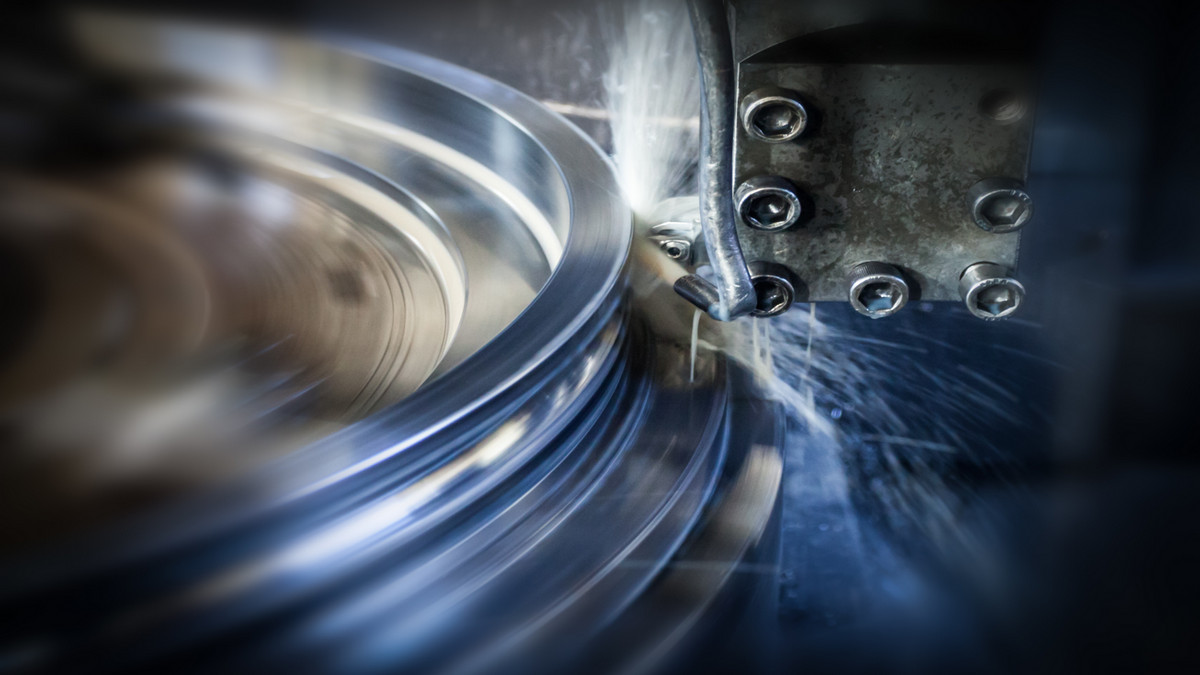
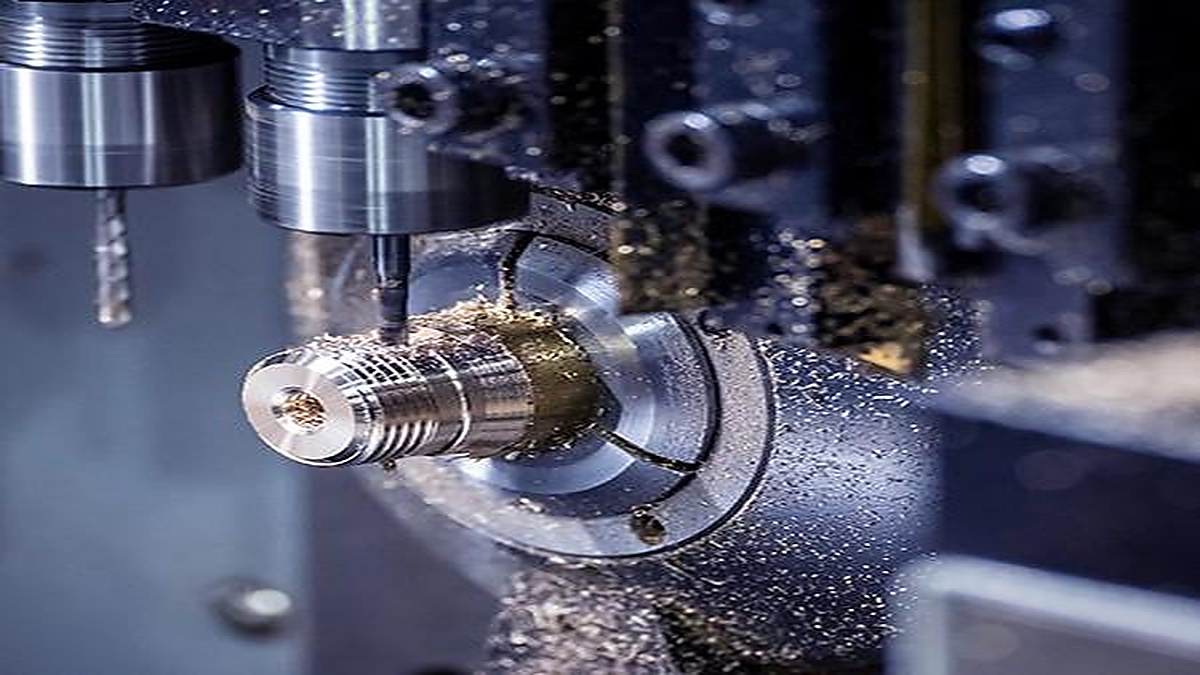
Precision grinding machines have transcended their traditional applications to become indispensable tools in aerospace, automotive, medical device manufacturing, and more. From complex components to advancements in machinery, the versatility of grinding technology is reshaping the way components are produced and refined.
Published: Oct 22, 2024
Emerging Applications of Grinding Machines in Diverse Industries

Expanding Use of Grinding Machines in Diverse Industries

Grinding machines have evolved from their conventional role in metalworking to become indispensable tools for processing multiple new materials, including ceramics, composites, and advanced polymers. The ability to process multiple materials has opened up new and diverse applications across aerospace, automotive, medical device manufacturing, and other sectors.

Aerospace

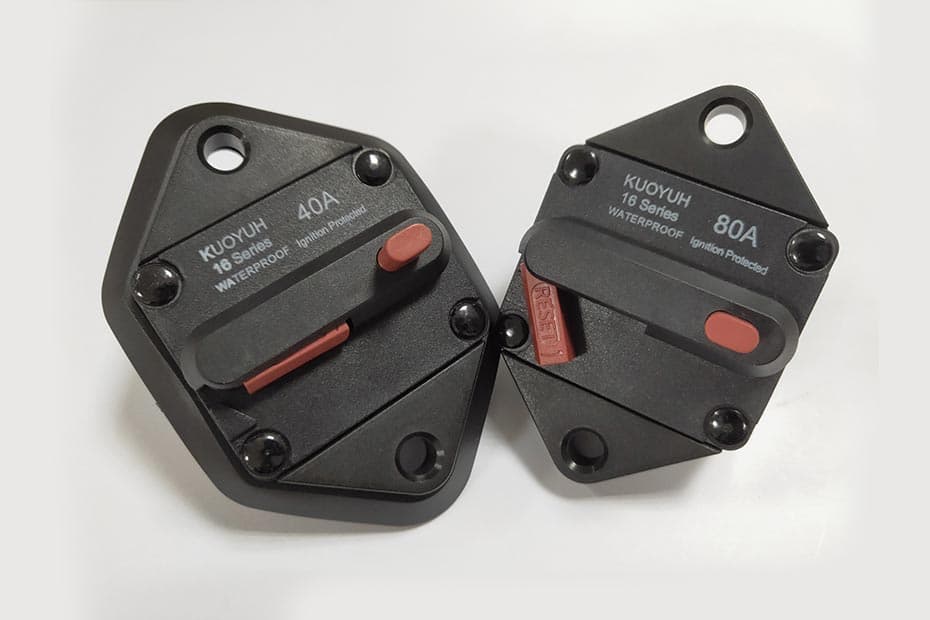
Precision is paramount in the aerospace industry, where components must meet stringent standards for safety and performance. Grinding machines are extensively used in the production of critical components such as turbine blades, fuel injection systems, and landing gear parts. The capability to achieve tight tolerances and superior surface finishes ensures optimal aerodynamics and structural integrity.

Automotive

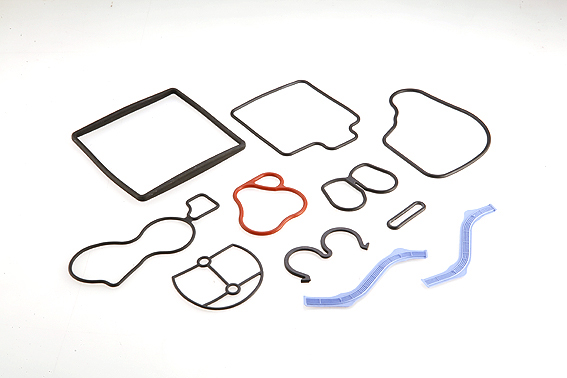
In the automotive sector, grinding machines are vital for manufacturing precision components like crankshafts, camshafts, and transmission gears. High-efficiency engines and lightweight materials require advanced grinding technologies to achieve the required precision and surface quality. As automotive manufacturers push the boundaries of efficiency and performance, aiming to improve fuel efficiency and enhance overall vehicle performance, grinding technology is evolving to meet these demands.


Medical Device Manufacturing:

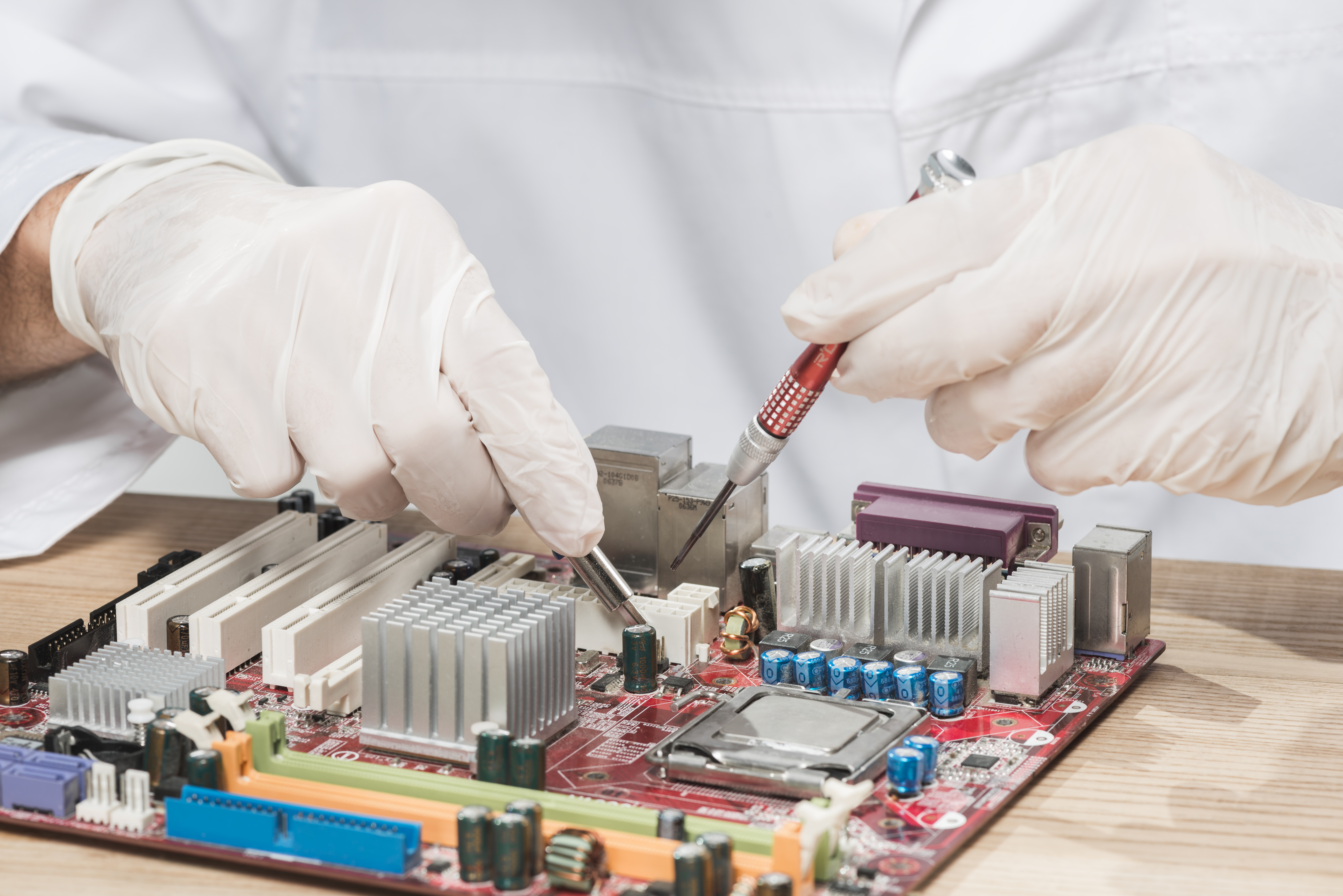
In medical device manufacturing, even the smallest components must adhere to exact specifications, often meeting precision demands at a microscopic level. From orthopedic implants and dental prosthetics to intricate surgical tools, the ability to achieve precise geometries and surface finishes is paramount in ensuring the efficacy and safety of medical devices. The capability to work with a diverse range of materials, including titanium and bioresorbable polymers, is essential.

Adaptability of Grinding Technology to Different Materials and Industry Needs

Grinding machines have the capability to work with a variety of materials, from traditional metals to advanced composites and ceramics.

Metals:

Traditional metalworking still remains a major application for grinding machines, with applications ranging from shaping steel components in automotive manufacturing to producing intricate parts for aircraft.

Composites:

As lightweight materials gain prominence in aerospace and automotive industries, whether it's carbon fiber-reinforced structures in aircraft or composite panels in electric vehicles, grinding machines ensure the desired quality and integrity.

Ceramics:

In medical device manufacturing, ceramics are often employed for their biocompatibility and wear resistance. Grinding machines tailored for ceramic materials play a crucial role in crafting components with intricate shapes and tight tolerances.

Unique Challenges and Requirements

Aerospace and automotive components often pose unique challenges. For instance, in aerospace, turbine blades must withstand extreme temperatures and forces. Automotive components, on the other hand, must balance precision with high-volume production demands. Grinding machines are designed to address these challenges, providing solutions tailored to industry-specific needs. To meet the evolving demands of aerospace and automotive applications, high-speed grinding, multi-axis CNC capabilities, and the integration of intelligent control systems have become standard features. 

Future Trends

Meeting the demands of the aerospace and automotive industries, miniaturization, lightweight materials, and increased efficiency are shaping the next generation of grinding technologies. The ability to grind smaller, lighter, and more complex components is becoming increasingly crucial. As grinding machines continue to break free from their traditional confines, their applications in diverse industries are expanding at an unprecedented pace


Published by Oct 22, 2024

Further reading

You might also be interested in ...

Headline
Knowledge
What is a TPE Yoga Mat? A Professional Guide to Eco-Friendly Performance and Manufacturing Insights
Why TPE Yoga Mats Are Becoming the Preferred Choice in Modern Wellness Manufacturing
Headline
Knowledge
How 5-Axis Tapping Centers Help Reduce Setup Time, Improve Accuracy and Support Flexible Production
Why flexibility, not volume, is becoming the real competitive advantage for automotive, motorcycle and bicycle parts manufacturers.
Headline
Knowledge
Automatic Packaging Line vs. Standalone Packaging Machines: Which Is Better for Your Factory?
A practical guide to choosing the right packaging equipment strategy for your production volume, product mix, and automation goals.
Headline
Knowledge
How to Evaluate Cutting Pliers Quality Before Bulk Purchasing: Common Issues Buyers Should Watch For
A practical quality checklist for importers, wholesalers and industrial buyers reviewing cutting pliers before large orders.
Headline
Knowledge
How to Choose a Shrink Bundler Machine for Bottles, Cans and Tetra Pak Products
A practical guide to selecting shrink bundling equipment for beverage, food and carton packaging lines.
Headline
Knowledge
PEEK Plastic Applications and Benefits: Where High-Performance Engineering Plastics Add the Most Value
PEEK is a high-performance engineering plastic used in demanding industries that need heat resistance, chemical resistance, and dimensional stability. This article explains where PEEK adds the most value, how it is used in medical, semiconductor, aerospace, and industrial applications, and what engineers should consider before CNC machining and production scale-up.
Headline
Knowledge
Knee Mill vs Bed Mill: What’s the Difference and Which One Fits Your Workflow?
Why Choosing Between a Knee Mill and a CNC Bed Mill Matters
Headline
Knowledge
Beyond Part Holding: The Role of TCP Thin Carrier Plate in Advanced Automated Manufacturing
As manufacturing environments become more compact, more precise, and more automated, components that were once treated as secondary are gaining much greater technical importance. Among them, the tcp thin carrier plate has become increasingly relevant in high-density production, especially in processes involving precision transfer, terminal handling, dipping-related applications, and repeated automated movement. For procurement teams, process engineers, and equipment integrators, the decision is no longer just about whether a carrier plate can physically hold a part. The more important question is whether it can maintain stable performance under real production conditions. In high-density manufacturing, even a small variation in flatness, thickness consistency, rigidity, or thermal behavior may lead to process instability, lower yield, or increased equipment interruption. This is why the tcp thin carrier plate is now being assessed more carefully as a process-critical component rather than a simple fixture.
Headline
Knowledge
Biodegradable Straw Making Machines: Key Technologies Driving Sustainable Packaging Production
This article examines how biodegradable straw making machines are supporting the shift toward sustainable packaging production. It covers PLA and paper straw manufacturing technologies, automation trends, production challenges, and key factors manufacturers should consider when selecting biodegradable straw production equipment.
Headline
Knowledge
Choosing Between C-Frame and H-Frame Hydraulic Presses for Metal Stamping
This article provides a comprehensive guide for manufacturers on choosing between C-frame and H-frame hydraulic presses for metal stamping operations. It begins by analyzing the structural differences: C-frame presses are highlighted for their three-sided accessibility and space-saving design, making them ideal for light to medium-duty tasks. In contrast, H-frame presses are recognized for their superior stability and rigidity, making them the preferred choice for high-tonnage, high-precision, and heavy-duty applications. The article features a detailed comparative table evaluating both types based on tonnage capacity, footprint, and cost. It also outlines critical selection factors such as precision requirements and budget constraints. Finally, the guide naturally introduces leading global manufacturers, including Yeh Chiun, Schuler, AIDA, Komatsu, and Beckwood, helping readers make informed investment decisions tailored to their specific production needs.
Headline
Knowledge
What Do Fruit Juice Suppliers Provide? A Practical Guide for Beverage and Food Brands
A practical overview of ingredient formats, supplier services, and sourcing considerations for beverage and food product development.
Headline
Knowledge
Understanding HVLP Technology: How Low Pressure High Volume Saves Paint and Costs
A practical guide to how HVLP spray systems improve coating efficiency, reduce waste, and support better cost control.
Agree