With coffee prices near record highs, more cafés are turning to commercial tea bags to serve fresh iced tea, lattes and fruit teas quickly and consistently.
If your coffee invoices look worse every quarter, you are not imagining it. Coffee has become one of the most expensive line items on a café's cost sheet, and many owners are now building a high-margin tea program with commercial tea bags to rebalance the menu.
The numbers explain why. U.S. retail coffee prices were 7.1% higher in September 2026 than a year earlier, according to the USDA, and the Bureau of Labor Statistics' coffee price index set an all-time high in May. Raising espresso prices again is a hard sell when guests already watch every dollar.
A real tea program is not a dusty box of assorted bags by the register. It is a short menu of iced teas, tea lattes and fruit teas, brewed in batches and served as fast as drip coffee. This guide covers why the timing is right, what a commercial tea bag actually is (there are two very different types), why tea works so well for cafés, and a five-step plan to launch.
Why Coffee Margins Are Under Pressure in 2026
Coffee has rarely cost this much to buy. The Bureau of Labor Statistics average price for a pound of ground coffee peaked at $9.72 in April 2026, the highest level in a series that goes back to 1980. Prices have eased a little since, but the September average was still about $9.33 a pound.
The USDA Economic Research Service reports that retail coffee prices were 7.1% higher in September 2026 than a year earlier. Analysts trace much of the run-up to weather damage in Brazil and Vietnam during the 2024–25 harvest, stacked on higher freight and tariff costs.
Menu boards have followed. Toast data from about 164,000 U.S. restaurant locations put the median drip coffee at $3.65 in February 2026, up 4.3% year over year, and the median cold brew at $5.58.
For operators, that creates a squeeze. Bean costs can rise faster than guests will accept on the menu, and the USDA expects prices for food away from home to climb another 3.5% in 2026. Every extra cent on espresso comes out of margin unless another part of the menu carries more of the load.
Tea Is Having Its Moment on Café Menus
Tea will not replace coffee in America, and it does not need to. According to the National Coffee Association, 66% of U.S. adults drank coffee in the past day in early 2026. But 47% drank tea, which makes it one of the largest drink habits a café can serve, and one many cafés underserve.
The Tea Association of the USA estimates that Americans drank about 86 billion servings of tea in 2024, and roughly 86% of it was black tea. Unlike most of the world, Americans drink most of their tea cold: the association has long put the iced share at around 80% or more. That matters operationally, because iced tea is exactly the format batch brewing handles best.
Menus are catching up. Hot tea and iced tea each grew 6% on restaurant menus over a recent 12-month period, according to Gavina Coffee Solutions. Trend coverage for 2026 also points to less-sweet, house-brewed iced tea showing up on coffee shop menus.
Two more shifts favor tea:
- Matcha is getting harder to source. A shortage of top-grade Japanese tencha roughly tripled its price between 2024 and 2025, and cafés are adding roasted teas instead. One 2026 café trend report found global searches for "hojicha latte" up 173%.
- Bubble tea is moving toward oolong. Black tea still leads, but oolong is the fastest-growing bubble tea base, forecast to grow at 10.84% a year through 2031.
The pattern is clear: demand for tea is broad, mostly cold, and drifting toward roasted, less-sweet flavors that are easy to batch.
What Is a Commercial Tea Bag? Two Types You Should Know
A commercial tea bag is a tea bag made for foodservice volume rather than home use. The term covers two very different products: individually wrapped single-serve bags for hot tea service, and large-format batch-brew bags, often 20–25 g each, that brew a liter or more of tea base at once.
Search for "commercial tea bags" and most results show the first type: catering boxes that range from small packs to more than 1,000 individually wrapped bags. Those work well for hotel rooms and office pantries. For a café drink menu built on iced tea and milk tea, the second type does most of the work.
|
Single-serve catering bag |
Batch-brew commercial tea bag |
| Typical fill |
About 2–3 g |
About 20–25 g |
| Yield per bag |
One cup or a small pot |
Roughly 1–2 liters of tea base |
| Packaging |
Individual envelopes, boxes of 100 to 1,000+ |
Multi-bag packs for back-of-house use |
| Best for |
Hot tea at the table, hotel rooms, office pantries |
Iced tea, tea lattes, milk tea, bubble tea bases |
| Who makes the drink |
The guest |
Staff, in a batch |
| Menu flexibility |
Low |
High: one base supports several drinks |
The batch-brew format behaves like a pre-measured shot of tea leaves. Staff drop one bag into a marked volume of hot water, set a timer and pull the bag. No scale, no strainer and no guessing during a rush.
Why Tea Makes Sense for Cafés Right Now
Tea is one of the easiest drinks a café can add: it goes a long way, it is quick to serve, and it gives guests more choice.
- A little tea goes a long way. One large commercial tea bag brews about two liters of tea, enough for roughly eight iced drinks. That makes it easier for cafés to keep tea prices fair while coffee costs swing.
- It is fast. A batch brewed in the morning is ready to pour for hours, so a tea order moves as quickly as a cup of drip coffee.
- It suits more people. Tea offers lower-caffeine and caffeine-free choices, and it pairs naturally with the less-sweet drinks many guests now prefer.
- It fits how Americans already drink tea. Most U.S. tea is served iced, which is exactly what batch brewing does best.
For guests, a good tea program means a fresher, more interesting glass than a bottle from the cooler. For the café, it means a drink that earns its place on the menu.
How to Build a Tea Program in 5 Steps
A profitable tea program needs few products and firm standards. These five steps take most cafés from idea to launch in a few weeks.
Step 1: Start with three or four core tea bases
Each base should anchor two or three drinks, so a small inventory covers a full menu.
- Black tea (Assam or a robust house blend): iced tea, milk tea, Earl Grey drinks. Black tea is what most Americans already drink.
- Jasmine green tea: fruit teas and lighter iced drinks.
- Oolong, especially roasted: tea lattes and less-sweet drinks, and a natural answer to the matcha shortage.
- Optional herbal or decaf blend: an evening and caffeine-free option.
Step 2: Choose the right format
Match the format to how each drink is made.
- Batch-brew commercial tea bags: best for iced tea and drink bases. Pre-portioned, fast and easy to clean up.
- Loose-leaf tea: best for a specialty hot tea list. It offers the most flexibility but requires weighing, strainers and more training.
- Single-serve bags: best for hot tea served to order or self-serve stations.
Most cafés end up with batch-brew bags behind the bar and a small hot tea selection up front.
Step 3: Standardize the brew
Consistency and food safety come from a written standard operating procedure (SOP), not from staff memory.
- Mark brew containers with fill lines, so one bag always meets the same volume of water.
- Brew with water at 195°F or hotter. CDC guidance on iced tea calls for 195°F. Steep time is a quality decision; large-format bags often call for 5–8 minutes, so write your supplier's spec into the SOP.
- Set a timer and pull the bag on time. Do not squeeze it, which releases bitterness.
- Label each batch with its brew time.
- Hold brewed iced tea for no longer than 8 hours, per the same CDC guidance, then discard it.
- Clean and sanitize iced tea dispensers at least every 24 hours, as the FDA Food Code recommends.
Local health codes take priority, so confirm the rules with your inspector.
Step 4: Engineer the menu
Start with six to eight tea drinks built on your bases, not twenty. Default to lightly sweetened recipes and sell extra syrup as an add-on, which matches the less-sweet trend and protects margin. Give one drink a story, such as a roasted oolong latte offered as an alternative to matcha.
Step 5: Train staff and price for margin
Put each recipe on a one-page brew card at the station. Taste each morning batch against the standard before service. Price tea drinks against your other specialty drinks, not against a cost-plus formula, and track three numbers for the first 30 days: cost per serving, tea's share of drink sales, and waste per day.
5 Easy-Win Drinks from One Batch-Brew Base
Four tea bases cover all five of these drinks. Amounts are starting points for a 16 oz cup with ice; adjust to taste and to your bags' strength.
- Premium iced black tea: 240 ml black tea base over ice, with 15 ml cane syrup on request and a lemon wheel. Simple, and it fits the shift toward flavor-forward, less-sweet tea.
- Jasmine green fruit tea: 200 ml jasmine green base, 30 ml fruit syrup or purée (passion fruit, peach or lychee) and fresh fruit pieces. Bright, photogenic and low in caffeine.
- Roasted oolong latte: 180 ml roasted oolong base and 120 ml whole or oat milk, lightly sweetened, hot or iced. Its toasty, nutty flavor gives matcha fans something new without matcha's sourcing risk.
- Iced Earl Grey "London fog": 180 ml Earl Grey base, 90 ml milk and 10 ml vanilla syrup over ice. A familiar name that sells itself.
- Taiwanese-style milk tea with boba: 200 ml strong black or Assam base, 60 ml milk or creamer, 20 ml brown sugar syrup and about 60 g cooked tapioca pearls. It brings bubble tea demand into a café without a separate kitchen.
The Right Supplier Takes Half the Headaches Off Your Plate
Most tea program problems start before the first batch is brewed. Flavor that changes from one delivery to the next, bitter tea, staff brewing to their own taste, too many vendors and sudden shortages like matcha's can all be reduced by choosing the right supplier.
| Your headache |
What the right supplier does |
| Flavor changes from batch to batch |
Checks each production batch against retained samples |
| Bitter, cloudy or harsh tea |
Fills bags with whole leaves, not dust or fannings |
| Staff brew inconsistently |
Pre-portions each bag for a fixed volume of water |
| Too many vendors to manage |
Supplies black, green and oolong bases from one source |
| A menu that looks like everyone else's |
Offers custom blends and private-label options |
| Shortages and price shocks |
Sources from several origins with traceable supply |
| Fear of overstock during a trial |
Accepts flexible minimum order quantities |
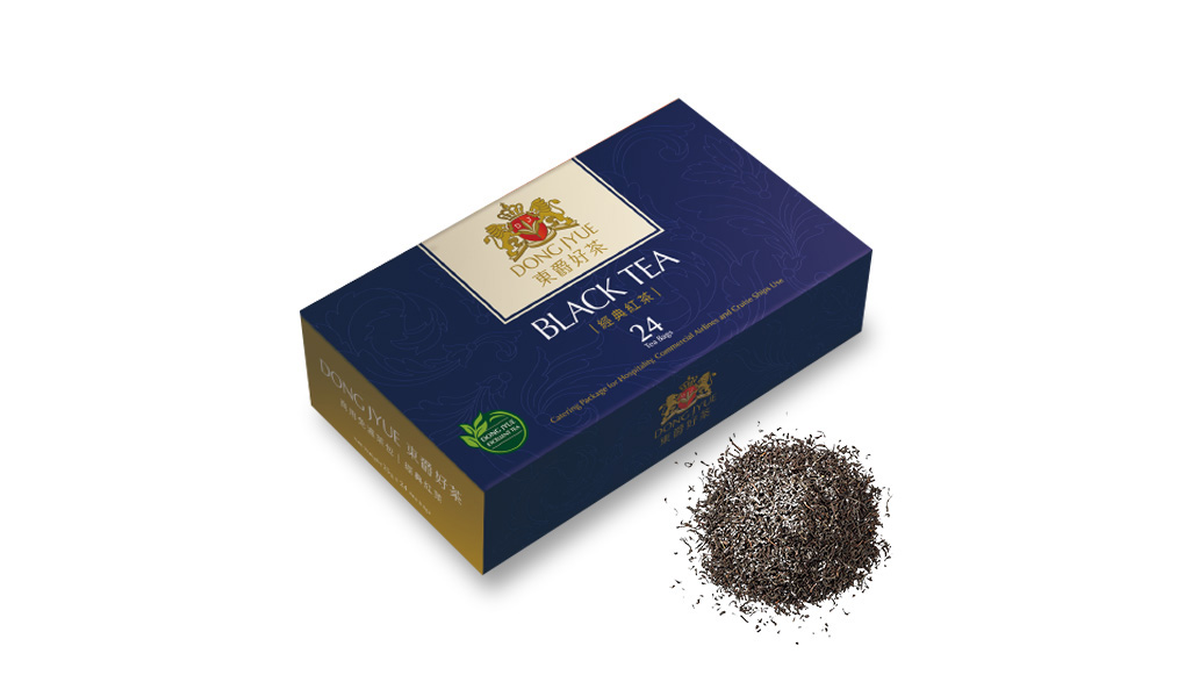
One example is Dong Jyue, a Taiwanese tea manufacturer. Its 25g commercial tea bags designed for batch brewing are filled with whole tea leaves rather than dust, each production batch is checked against retained samples for flavor consistency, and private-label or custom blends are available for cafés that want a signature house tea.
Whichever suppliers you consider, ask two or three for samples. Brew them side by side with the same SOP, taste them hot, iced and with milk, and choose the one that holds up in your actual drinks.
Frequently Asked Questions
What is a commercial tea bag?
A commercial tea bag is a tea bag made for foodservice volume. It comes in two main types: individually wrapped single-serve bags for hot tea, and large batch-brew bags, often 20–25 g, that brew one to two liters of tea base for iced tea, tea lattes and milk tea.
How much tea does a 25g commercial tea bag make?
A 25 g batch-brew bag typically brews about 2 liters (roughly 67 fl oz) of tea base, depending on the tea and the supplier's instructions. At 240 ml of tea per 16 oz iced drink, that is about eight servings per bag.
Do commercial tea bags make good-quality tea?
They can. Quality depends mostly on what is inside the bag: whole or large-cut leaves usually brew a smoother, less bitter cup than fine tea dust. Water temperature and steeping time matter just as much.
Can I use commercial tea bags for bubble tea?
Yes. Strong black, Assam, jasmine green and oolong batch-brew bags are common bases for milk tea and fruit tea. Brew the base slightly stronger than plain iced tea so it holds its flavor against milk, sugar and ice.
How long can brewed iced tea be held?
CDC guidance calls for holding brewed iced tea no longer than 8 hours, then discarding it. The FDA Food Code also recommends cleaning and sanitizing iced tea dispensers at least every 24 hours. Always follow your local health code.
Loose leaf or commercial tea bags: which is better for a café?
For high-volume iced drinks, batch-brew commercial tea bags are faster, more consistent and easier to train. Loose leaf suits a curated hot tea menu where flexibility matters more than speed. Many cafés use both.
Coffee and Tea, Better Together
Coffee is not going anywhere, and it does not need to. But with bean prices near record highs and guests asking for lighter, less-sweet drinks, tea has earned a bigger place on the café menu. Commercial tea bags make that easy: one bag, a timer, and a fresh batch of iced tea, tea lattes or fruit tea is ready for the day.
If you run a café, start with one great tea base and two drinks, and let your guests tell you what to add next. And the next time you order, look past the espresso list. A glass of house-brewed tea may be the most interesting drink on the menu.