Beyond Face Masks: Innovative Industrial Applications of Cellulose-Based Melt-Blown Nonwoven
Melt-blown nonwoven fabrics are commonly associated with face masks and air filtration, but their applications extend to liquid absorption, protective layers, and industrial materials.
Published: Oct 28, 2026
- How Does Cellulose Affect Melt-Blown Nonwoven Performance?
- Four Industrial Applications Beyond Face Masks
- Cellulose-Based vs. Polypropylene Nonwoven: What Are the Key Differences?
- What Should Be Tested Before Replacing Synthetic Nonwovens?
- From Cellulose Filaments to Application-Specific Nonwoven Materials
- Finding the Right Balance Between Function and Material Choice
As industries seek alternatives to petroleum-derived plastics, cellulose-based melt-blown nonwoven materials are gaining attention for their renewable feedstocks and moisture-handling potential.
However, substituting conventional synthetic nonwovens requires careful evaluation. Liquid absorption, retention under pressure, wet strength, and barrier performance vary with fiber composition and fabric construction. Understanding these factors helps identify where cellulose-based materials may be suitable and where conventional polymers remain necessary.
How Does Cellulose Affect Melt-Blown Nonwoven Performance?
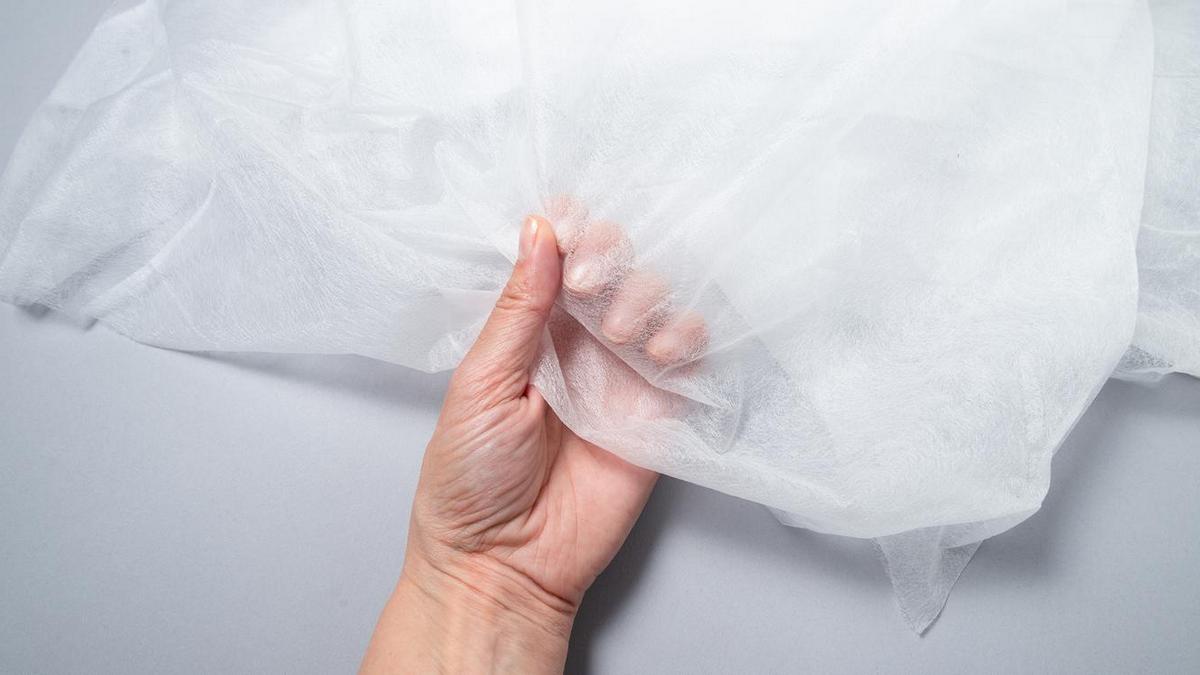
Melt-blown processing creates fine fibers arranged into a porous web. Fiber diameter, pore size, and fabric density influence liquid movement, particle capture, and mechanical performance.
Unlike naturally hydrophobic polypropylene (PP), cellulose contains hydroxyl groups that attract water. This makes cellulose-based fibers potentially useful for handling aqueous liquids. However, three performance characteristics must be distinguished:
Absorption Capacity: The amount of liquid a material can absorb, influenced by fiber chemistry and available pore volume.
Liquid Retention: The ability to hold absorbed liquid during handling or compression, which depends on capillary forces and structural stability.
Barrier Performance: The ability to restrict liquid penetration, generally requiring controlled pore structures, surface treatments, or additional layers.
A material optimized for absorption is not necessarily suitable as a liquid barrier. These functions must be evaluated separately when developing nonwoven structures for different applications.
Four Industrial Applications Beyond Face Masks
Medical Absorbent Layers and Healthcare Materials
Cellulose-based nonwovens may be suitable for absorbent components in medical wipes, wound care materials, and disposable healthcare products where fluid uptake is important.
For example, an absorbent layer may need to distribute liquid across its surface while limiting leakage during handling. Absorption speed, retention under pressure, and wet strength all influence whether the material can perform this function.
Medical use also requires additional verification, including biocompatibility where applicable, sterilization compatibility, fiber shedding, and relevant regulatory requirements. Cellulose's natural hydrophilicity alone does not establish medical-grade performance.
Automotive Absorbent Pads and Protective Liners
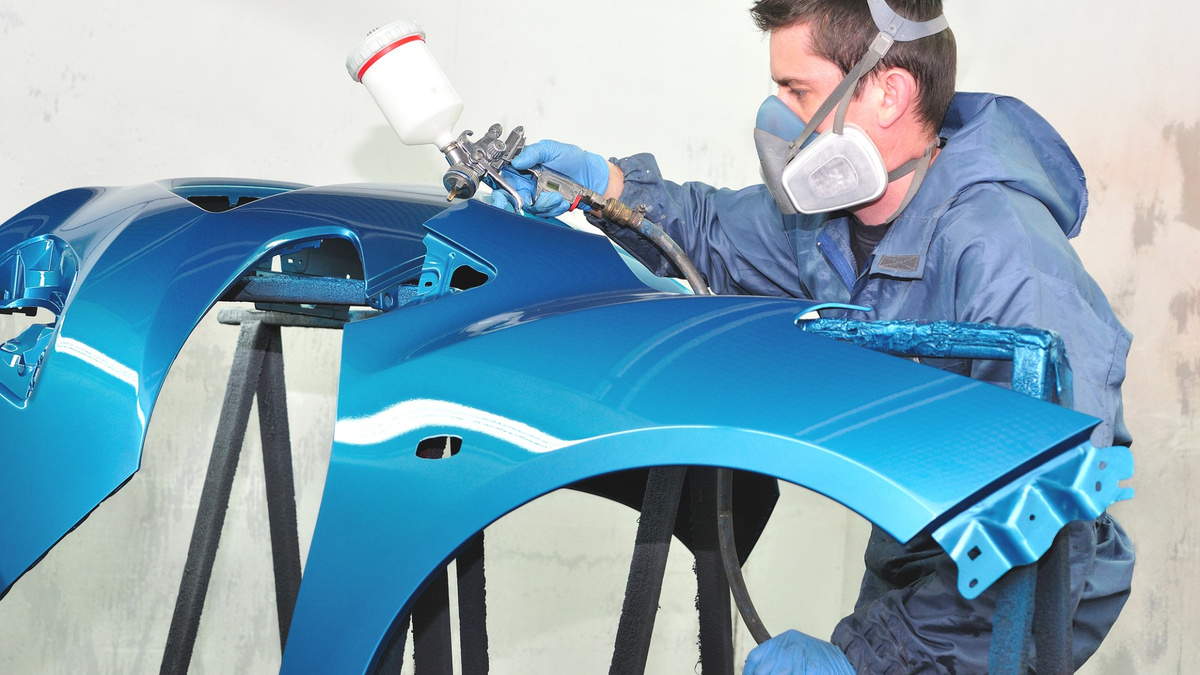
Automotive applications may use nonwoven materials for fluid management, protective liners, and selected interior components. Cellulose-based structures offer potential where water-based liquid absorption is required.
However, performance depends strongly on the fluid involved. A material that readily absorbs water may not provide equivalent absorption of oils, fuels, or lubricants.
For automotive use, chemical resistance, temperature stability, abrasion resistance, and compression behavior should be examined alongside absorption capacity. Where mechanical durability is critical, reinforced or multilayer structures may be more appropriate than cellulose alone.
Agricultural Moisture Distribution Materials
Cellulose-based nonwovens could also be investigated for moisture-distribution layers, seedling support materials, and selected cultivation systems.
Their affinity for water may help distribute moisture through a porous structure. However, effective moisture management requires a balance between absorption, retention, and drainage.
Excessive water retention can restrict aeration, while prolonged exposure to moisture may weaken certain cellulose structures. Before agricultural use, materials should be evaluated for wet durability, irrigation conditions, and expected service life.
Industrial Absorption and Liquid Filtration
Industrial applications include water-based absorbent pads, protective liners, and liquid filtration media. Melt-blown nonwovens can be engineered with different pore structures to accommodate specific liquid-handling requirements.
Absorbent applications prioritize liquid uptake and retention. Filtration applications instead require a balance between particle removal, flow rate, and pressure drop.
For chemical processing or oil absorption, the material's compatibility with the target fluid becomes particularly important. Cellulose-based structures should not be assumed suitable for all industrial liquids without testing.
Cellulose-Based vs. Polypropylene Nonwoven: What Are the Key Differences?
Cellulose and polypropylene offer different characteristics. Their suitability depends on the intended application rather than sustainability claims alone.
| Evaluation Factor | Cellulose-Based Nonwoven | Polypropylene Nonwoven |
|---|---|---|
| Feedstock | Renewable cellulose | Fossil-derived polymer |
| Water Affinity | Naturally hydrophilic | Naturally hydrophobic |
| Oil Absorption | Requires application-specific evaluation | Commonly used in oil absorbents |
| Wet Strength | Depends on fiber structure and treatments | Generally maintains strength when wet |
| Liquid Barrier | May require treatments or additional layers | Can be engineered for liquid resistance |
| End-of-Life | Depends on composition and additives | Generally not biodegradable |
Cellulose-based materials may reduce reliance on fossil-derived feedstocks, but renewable origin does not guarantee lower environmental impact in every application.
Plastic-free, biodegradable, and compostable are different claims. A cellulose-based nonwoven containing synthetic binders, coatings, or reinforcement fibers may not qualify as plastic-free. Environmental claims should reflect the finished product's composition and verified end-of-life properties.
What Should Be Tested Before Replacing Synthetic Nonwovens?
Material substitution should begin with the operating conditions rather than fiber origin alone. Four questions can guide initial evaluation:
What Liquid Will the Material Encounter? Water, oils, and chemical solutions interact differently with cellulose-based structures.
How Much Liquid Must It Retain? Absorption capacity and retention after compression should be measured separately.
What Mechanical Conditions Will It Face? Wet strength, abrasion, temperature, and repeated handling can affect service life.
Does It Require Absorption, Filtration, or Barrier Protection? Each function requires different performance criteria and testing methods.
Testing representative samples under actual operating conditions provides a more reliable basis for material selection than comparing general fiber characteristics.
From Cellulose Filaments to Application-Specific Nonwoven Materials
AceGreen Eco-Material Technology combines experience in cellulose filament development with melt-blown nonwoven manufacturing. Its material portfolio includes cellulose filaments, PLA, and specialty polyamides such as PA510, supporting different filtration, barrier, and specialty material requirements.
Through Melt-Blown Nonwoven OEM/ODM services, AceGreen offers material selection and customization options, including fabric dimensions, thickness, and filtration ratings. These capabilities provide a foundation for evaluating application-specific nonwoven structures, while absorption, retention, and barrier performance must be confirmed for each intended use.
Finding the Right Balance Between Function and Material Choice
Cellulose-based melt-blown nonwovens present opportunities beyond conventional filtration products, particularly where renewable materials and aqueous liquid management are priorities. Their suitability ultimately depends on measurable performance under intended operating conditions.
For applications requiring customized material structures, AceGreen's melt-blown nonwoven provides a starting point for reviewing available material options and technical requirements.
Published by Oct 28, 2026
Source: AceGreen Eco-Material Technology