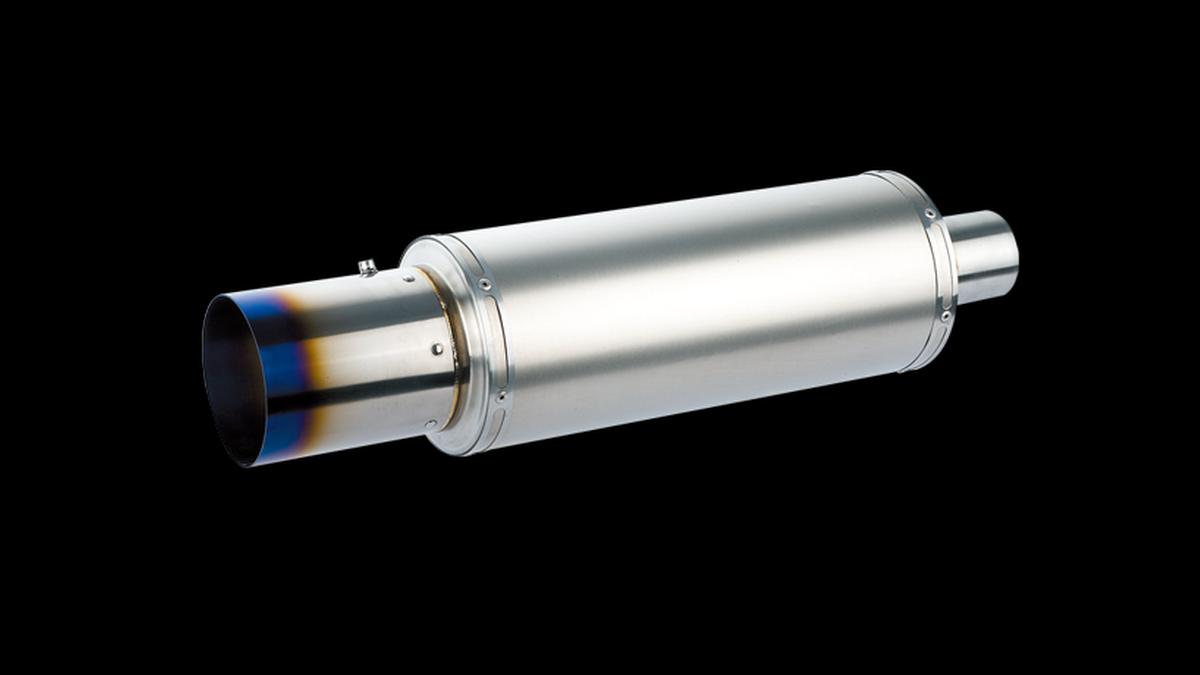
A practical overview of the engineering stages behind a production-ready exhaust muffler.
A custom exhaust muffler is rarely created by choosing a shape and sending it directly to production. In practice, muffler development is a staged engineering process that combines acoustic design, exhaust-flow analysis, packaging, materials selection, manufacturing, and compliance testing.
The challenge is to meet several requirements at the same time. A muffler should reduce unwanted noise without creating excessive back pressure. It must fit within the vehicle’s available space, withstand heat and vibration, and remain durable throughout its expected service life. Depending on the application and market, it may also need to satisfy vehicle noise and emissions-related regulations. The following overview explains how a typical custom muffler project moves from an initial concept to a production-ready component.
1. Defining the Project Requirements
Development normally begins with a clear specification. The manufacturer or vehicle integrator may provide the vehicle model, engine type, exhaust-system layout, available installation space, target sound characteristics, expected production volume, and cost objectives.
It is also important to define what “performance” means for the project. A passenger vehicle may prioritize quiet operation and long-term durability, while a performance vehicle may require a more noticeable exhaust note. Commercial vehicles and off-road equipment may place greater emphasis on service life, corrosion resistance, and operating conditions.
At this stage, engineers may also identify regulatory requirements. Noise limits differ by country and vehicle category, while emissions rules can affect the overall exhaust system. For example, UNECE Regulation No. 51 addresses noise emissions from vehicles in relevant approval frameworks, while the U.S. Environmental Protection Agency evaluates vehicle emissions through controlled certification and compliance testing.
2. Measuring the Existing System
Before designing a replacement or new muffler, engineers typically examine the original exhaust system. This may include measuring pipe diameters, inlet and outlet positions, mounting locations, operating temperatures, exhaust flow, and pressure before and after the muffler.
Acoustic measurements are equally important. Engineers may record sound pressure levels at different engine speeds and loads, identify dominant frequency ranges, and examine undesirable characteristics such as droning inside the cabin. A baseline test helps distinguish between problems caused by the muffler and those caused by the engine, resonator, exhaust pipe, or vehicle body.
The information gathered during this phase becomes the reference for later computer simulations and physical testing.
3. Developing the Internal and External Design
A muffler’s external shape is influenced heavily by packaging. Engineers must work around suspension components, fuel tanks, heat shields, body panels, and ground-clearance requirements. The available volume can determine whether a compact multi-chamber design, a straight-through design, or a combination of acoustic technologies is practical.
Internally, the design may use chambers, baffles, perforated tubes, expansion sections, sound-absorbing materials, or tuned resonators. Reactive designs use changes in area and internal passages to reflect and cancel sound waves. Absorptive designs use sound-absorbing packing to reduce broadband noise. Many modern mufflers combine both approaches.
The central engineering trade-off is between acoustic attenuation and flow resistance. Adding more restrictions may reduce certain noise frequencies but can also increase pressure loss. Recent SAE technical work on muffler development highlights how factors such as baffle quantity, tailpipe diameter, flow reversals, perforation design, and muffler dimensions can influence back pressure and acoustic behavior.
| Development priority | Typical engineering concern |
|---|
| Noise reduction | Target sound level, tone, resonance, and cabin drone |
| Flow performance | Pressure loss, exhaust velocity, and thermal behavior |
| Packaging | Available space, clearances, mounting points, and tailpipe position |
| Durability | Heat cycling, vibration, corrosion, and internal fatigue |
| Compliance | Applicable vehicle noise and emissions requirements |
4. Using Simulation and Prototype Testing
Computer-aided engineering can reduce the number of physical prototypes required, but it does not replace testing. Acoustic simulations help predict transmission loss and identify frequency ranges where the design may be weak. Computational fluid dynamics can help estimate pressure loss, flow distribution, and areas of turbulence.
Simulation is particularly useful when comparing several concepts before tooling is created. However, real exhaust systems are affected by temperature, pulsating flow, manufacturing tolerances, packing behavior, and vehicle-specific installation conditions. For this reason, prototype testing remains essential.
A prototype may be evaluated on a test bench and then installed on the target vehicle. Engineers typically compare sound measurements, pressure data, thermal readings, and fitment against the original design targets. If the results are unsatisfactory, the internal geometry, pipe size, packing density, or mounting structure may be revised.
5. Selecting Materials and Manufacturing Methods
Material selection depends on temperature, corrosion exposure, weight, cost, and expected lifespan. Aluminized steel may offer a cost-effective solution for some applications, while stainless steel is often considered when greater corrosion resistance or a premium appearance is required.
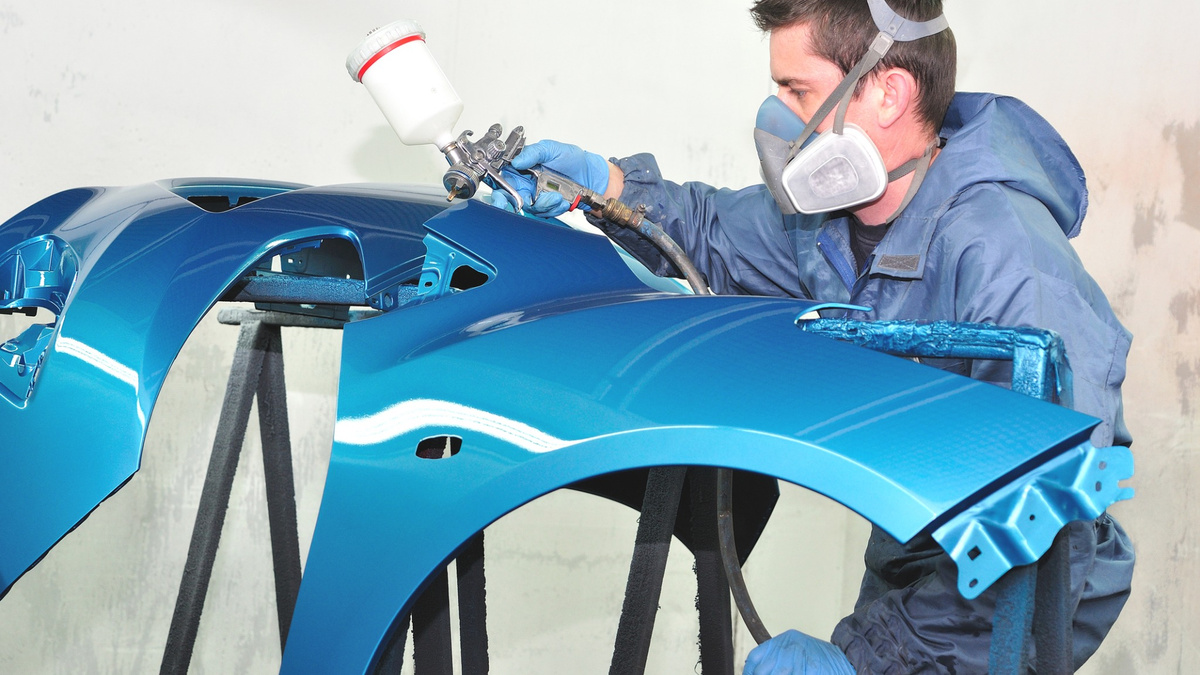
Manufacturing methods can include laser cutting, stamping, tube forming, welding, robotic assembly, and leak testing. A design that performs well in simulation may still need modification if it is difficult to weld consistently or requires too many complicated forming operations.
Production engineering therefore examines more than the first prototype. Engineers consider weld accessibility, fixture design, dimensional repeatability, inspection points, and the ability to maintain consistent acoustic performance from one unit to the next.
6. Validation, Compliance, and Production Release
Before release, the muffler normally undergoes durability and validation testing. Depending on the application, this may include thermal cycling, vibration testing, corrosion exposure, pressure testing, leak checks, and extended vehicle operation.
The final compliance assessment depends on the intended market and the extent of the modification. A muffler replacement that leaves emission-control hardware unchanged may be treated differently from a system that alters catalytic converters, oxygen sensors, or other regulated components. In the United States, the EPA warns that tampering with or defeating emission controls can violate the Clean Air Act. Local authorities and inspection agencies should therefore be consulted before a modified exhaust system is commercialized or installed.
Once testing is complete, the manufacturer establishes production drawings, material specifications, inspection procedures, packaging requirements, and installation instructions. Only then is the design considered ready for consistent volume production.
Frequently Asked Questions
How long does custom muffler development take?
The timeline depends on complexity, testing requirements, tooling, and production volume. A simple replacement may move quickly, while a new vehicle-specific design with extensive durability and compliance testing can require several development stages.
Does a larger muffler always reduce noise more effectively?
Not necessarily. Available volume is important, but internal geometry, pipe routing, perforation patterns, packing, and target frequencies also affect performance. A larger muffler may be difficult to package without delivering the desired acoustic result.
Can a custom muffler increase engine power?
A muffler can influence exhaust flow, but power depends on the complete engine and exhaust system. Reducing restriction does not automatically improve performance, and an overly open design may create excessive noise or poor drivability.
What is the difference between a straight-through and chambered muffler?
A straight-through muffler generally uses a relatively direct perforated path with sound-absorbing material. A chambered muffler uses internal expansions, partitions, and passages to reflect and cancel sound. Each design offers different compromises in sound, flow, size, and durability.
Which material is best for an exhaust muffler?
There is no universal answer. Stainless steel may be preferred for corrosion resistance and appearance, while aluminized steel can be suitable where cost and practical durability are more important. The correct choice depends on temperature, climate, vehicle use, and budget.
Does a muffler affect emissions compliance?
A muffler is mainly a noise-control component, but the full exhaust system must be considered. If a modification changes or disables emission-control equipment, it may create legal and compliance problems. Requirements should be checked for the specific vehicle and market.
Conclusion
Custom exhaust muffler development is a balance between acoustics, flow, packaging, durability, manufacturing, and regulation. The most reliable projects begin with measurable requirements, use simulation to compare concepts, validate performance through physical testing, and address compliance before production.
For readers exploring replacement or custom exhaust options, the Liang Fei muffler category offers a practical starting point for reviewing available product directions and considering how different muffler solutions may fit a broader exhaust-system project.