If you have spent any time researching exhaust upgrades, you already know the debate: stainless steel or titanium? Both materials have earned their place in the automotive aftermarket, and both have passionate supporters. But when it comes to choosing the right exhaust muffler for your application, whether you are building a track car, upgrading a daily driver, or sourcing components for large-scale distribution, the material decision carries real consequences for performance, longevity, and cost.
Understanding the Materials: A Quick Primer
Stainless steel used in exhaust applications is typically grade 304 or 409. Grade 304 offers excellent corrosion resistance and a polished, clean appearance. Grade 409 is ferritic, less expensive, and still far more durable than mild steel, which is why it remains the industry baseline for OEM exhaust systems worldwide.
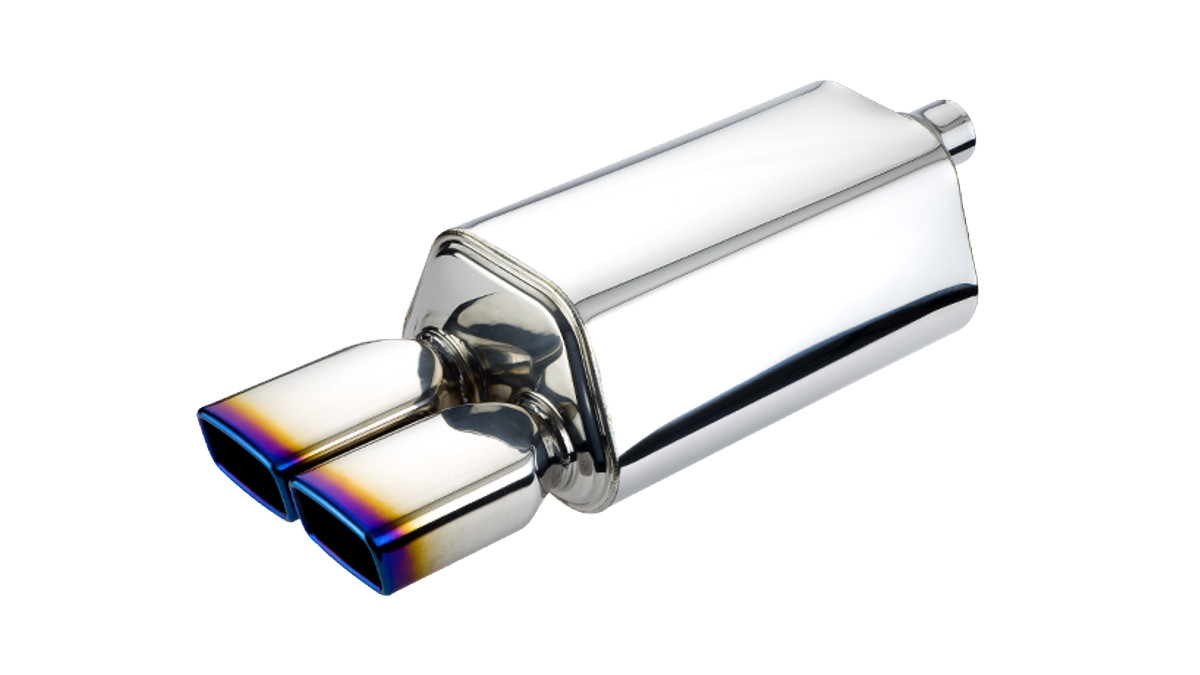
Titanium in exhaust contexts usually refers to Grade 1 or Grade 5 (Ti-6Al-4V) alloy. It is significantly lighter than stainless steel (roughly 40 to 45 percent weight savings), highly resistant to heat and corrosion, and produces a distinctive heat discoloration that motorsport enthusiasts have come to associate with high-performance builds.
Both materials can withstand the thermal cycling of an exhaust muffler, but they behave quite differently under sustained stress and varying environmental conditions.
Performance and Weight: Where Titanium Wins
In weight-sensitive applications, titanium has a clear advantage. A stainless steel exhaust muffler typically weighs somewhere between 3.5 and 7 kilograms depending on construction, while a comparable titanium unit often comes in under 2.5 kilograms. In motorsport, that kind of weight reduction translates directly into handling balance and acceleration response.
Titanium also handles extreme heat more gracefully. Its thermal expansion rate is lower than stainless steel, which reduces stress on welds over the long term in high-RPM, high-temperature environments like turbocharged or race-tuned applications.
That said, for street driving, the performance delta between the two materials is often imperceptible to the average driver. The engine sound, back pressure characteristics, and outflow efficiency depend far more on the internal baffle design and pipe diameter than on whether the shell is titanium or stainless.
Durability and Maintenance: Where Stainless Holds Its Ground
Grade 304 stainless steel is extremely resistant to rust and oxidation under normal road conditions. For daily-driven vehicles, especially in coastal or high-humidity environments, a well-constructed stainless steel exhaust muffler will outlast the vehicle itself with minimal maintenance.
Titanium, while naturally corrosion-resistant, is more susceptible to surface contamination from road salts if the protective oxide layer is compromised. It is also noticeably harder to repair or weld in the field, requiring specialized inert-gas shielding during fabrication. For fleet buyers or general automotive service operations, this adds complexity to the supply and maintenance chain. Additionally, titanium is a softer metal than stainless in some alloy configurations, which means it can be more prone to physical damage from debris impact in off-road or aggressive street driving contexts. Stainless steel, particularly in thicker wall gauges, offers more robust resistance to mechanical damage in these scenarios.
Cost Analysis: The Real-World Gap in 2026
In 2026, expect to pay roughly 2.5 to 4 times more for a comparable titanium exhaust muffler versus a stainless steel unit. For a performance shop equipping a customer's weekend track car, that premium is often justifiable. For a mid-tier vehicle refresh or a B2B procurement contract covering fleet vehicles, stainless steel almost always wins on value per unit.
The pricing gap has narrowed slightly due to improvements in titanium processing and wider adoption in motorcycle and motorsport segments, but it remains substantial enough to be a primary decision factor in volume purchasing scenarios.
5 Leading Exhaust Muffler Manufacturers to Know in 2026
The global exhaust muffler market has matured considerably, with a handful of manufacturers standing out for engineering quality, material consistency, and supply chain reliability.
1. LIANG FEI INDUSTRY CO., LTD Based in Taiwan, Liang Fei Industry is a well-established OEM and aftermarket exhaust muffler manufacturer with decades of production experience. The company works with both stainless steel and performance-grade materials across a wide product catalog, serving international automotive and motorsport markets. Their manufacturing standards and export-oriented production model make them a reliable partner for B2B buyers seeking consistent quality without the overhead of a premium European brand. You can explore their exhaust muffler product range at Liang Fei Muffler - Exhaust Muffler.
2. Borla Performance Industries An American manufacturer with a strong reputation in the performance aftermarket, Borla exclusively uses T-304 stainless steel across its entire exhaust muffler lineup. The company is well regarded for acoustic engineering and offers products across a wide range of vehicle platforms. Borla holds multiple patents on internal muffler technology and is a frequent choice for both enthusiast builds and OEM-tier supply relationships.
3. Akrapovic A Slovenian company that has become synonymous with titanium exhaust systems in the racing and premium motorcycle markets. Akrapovic produces some of the most refined titanium exhaust muffler units available today, combining aerospace-grade fabrication with aggressive sound tuning. Their products are positioned at the premium end of the market and are frequently seen on factory-backed competition vehicles.
4. Magnaflow Performance Exhaust Magnaflow is one of the most recognizable names in North American exhaust aftermarket. The company produces stainless steel exhaust mufflers designed for both street and mild performance applications, with a broad fitment catalog. Their straight-through perforated core design is a mainstay in the industry and their price-to-performance ratio makes them a common choice for volume distributors.
5. Remus Innovation An Austrian exhaust specialist with a strong presence in the European OEM and performance markets, Remus produces high-quality stainless steel and titanium exhaust muffler products for passenger cars and motorcycles. Their engineering focus on variable valve technology and sound management systems positions them well for premium applications in both street and track environments.
Which Should You Choose?
Here is a practical summary by use case:
For high-performance or motorsport applications, titanium delivers meaningful weight savings and thermal resilience. The cost premium is justified when every kilogram matters and durability under race conditions is non-negotiable.
For daily drivers and street builds, a high-quality stainless steel exhaust muffler offers the best balance of durability, aesthetics, and cost. Grade 304 units from reputable manufacturers will perform well for the lifespan of the vehicle.
For B2B procurement and OEM supply chains, stainless steel remains the dominant choice due to lower per-unit cost, simpler fabrication, wider supplier availability, and easier field serviceability.
For enthusiast builds where appearance matters, titanium's signature heat-blued finish is a strong aesthetic differentiator that commands attention and often adds perceived value in the custom build market.
Final Thoughts
The stainless steel versus titanium debate does not have a universal answer, and that is by design. The exhaust muffler market in 2026 is sophisticated enough to support both materials at different tiers of the market, and the best manufacturers have developed deep expertise in both. Whether you are specifying parts for a production run, building a track weapon, or advising a customer on an upgrade, understanding what each material actually delivers, and where its limitations lie, is the foundation of a sound purchasing decision.






.jpg)
.jpg)