
Knowledge
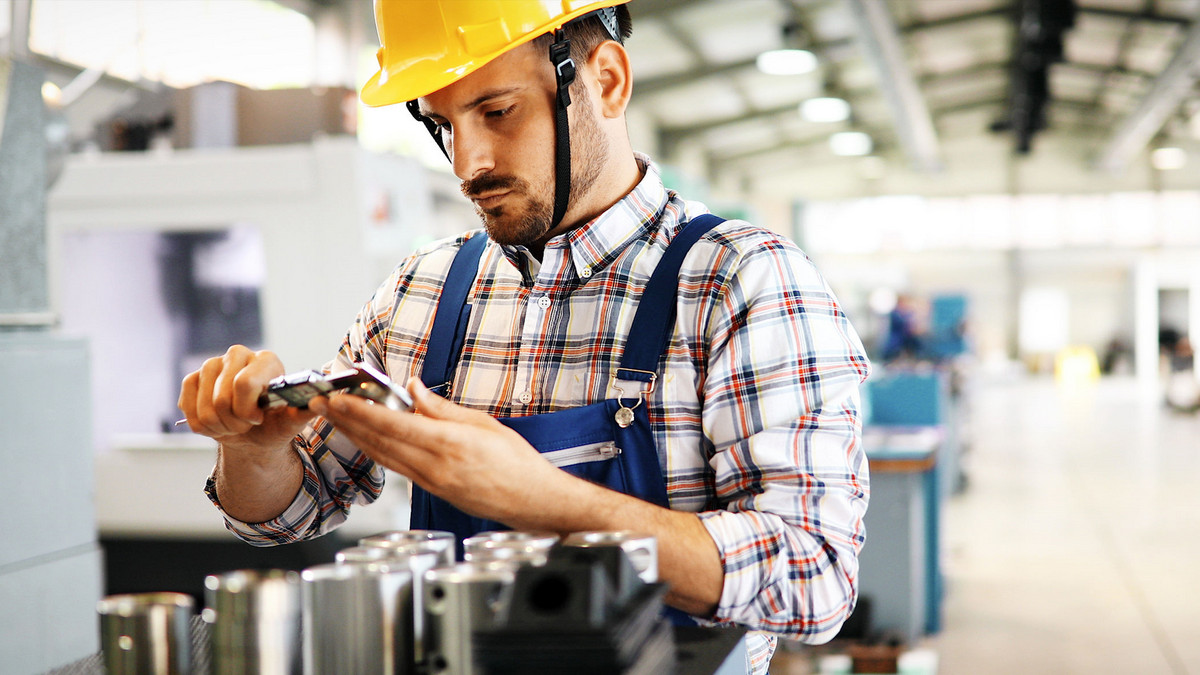
Quick Die Change (SMED), or 10-minute die change, is a set of useful techniques for dealing with multiple batches of small quantities and improving the rapid response capability of the production system and is a type of lean production method. The point is to convert internal jobs to external job conversions as much as possible.
2022-06-28 16:45:38
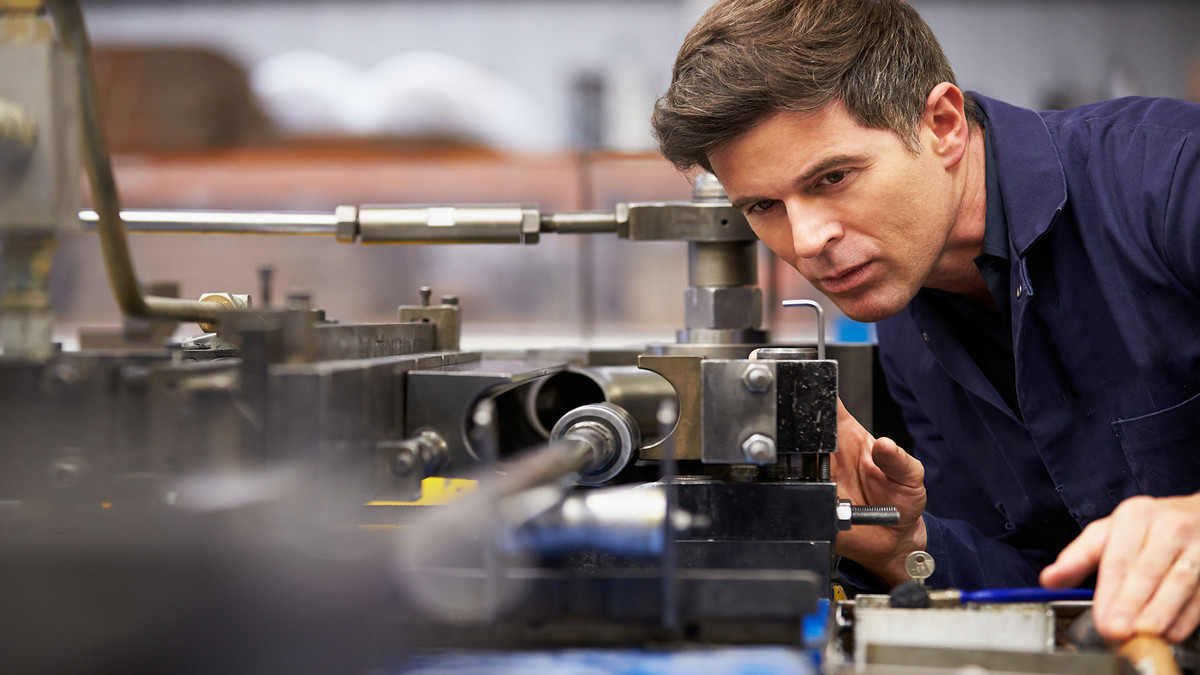
Calibration is a quantitative comparison. Check the reading of the instrument, it is achieved by measuring the actual standard part, and the deviation between the measured value and the actual value is corrected.
2022-06-28 10:02:13
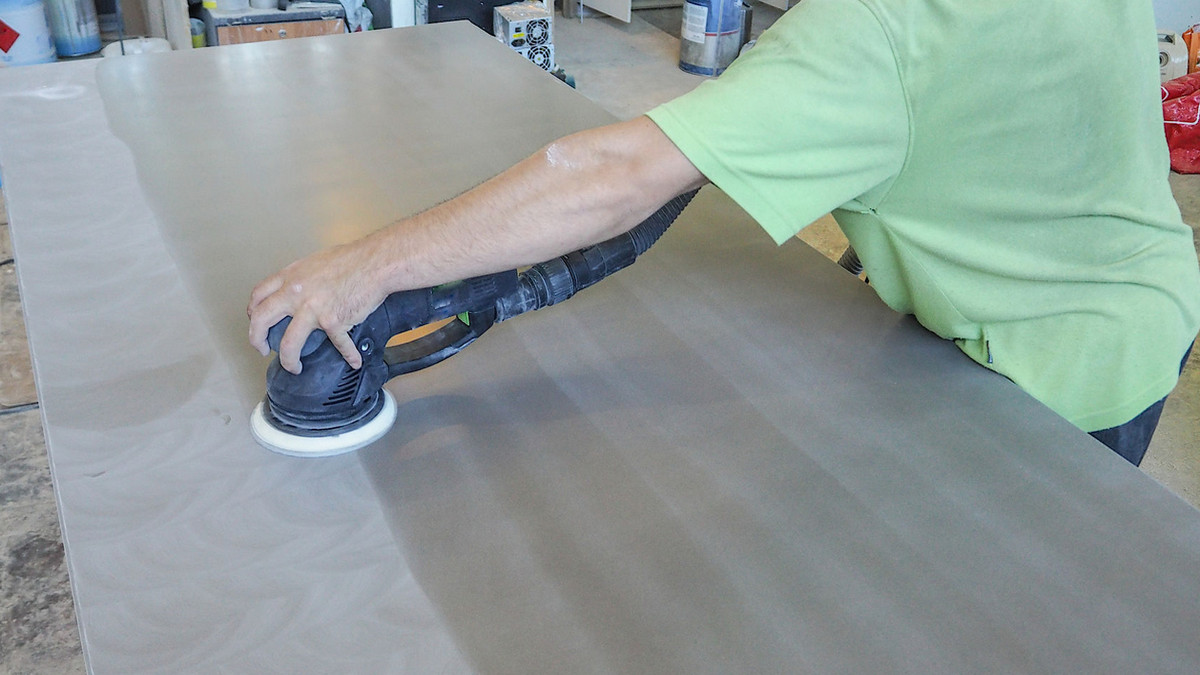
A grinding wheel is a tool for grinding. It is composed of coarse-grained abrasive compounds bonded together. After forming a solid round object, grinding and abrasive processing can be performed on a grinding machine. Grinding is a commonly used processing method, which can obtain higher workpiece density and surface quality. Different grinding methods will produce different grinding defects. The most influential factor is the grinding wheel.
2022-06-27 13:18:28
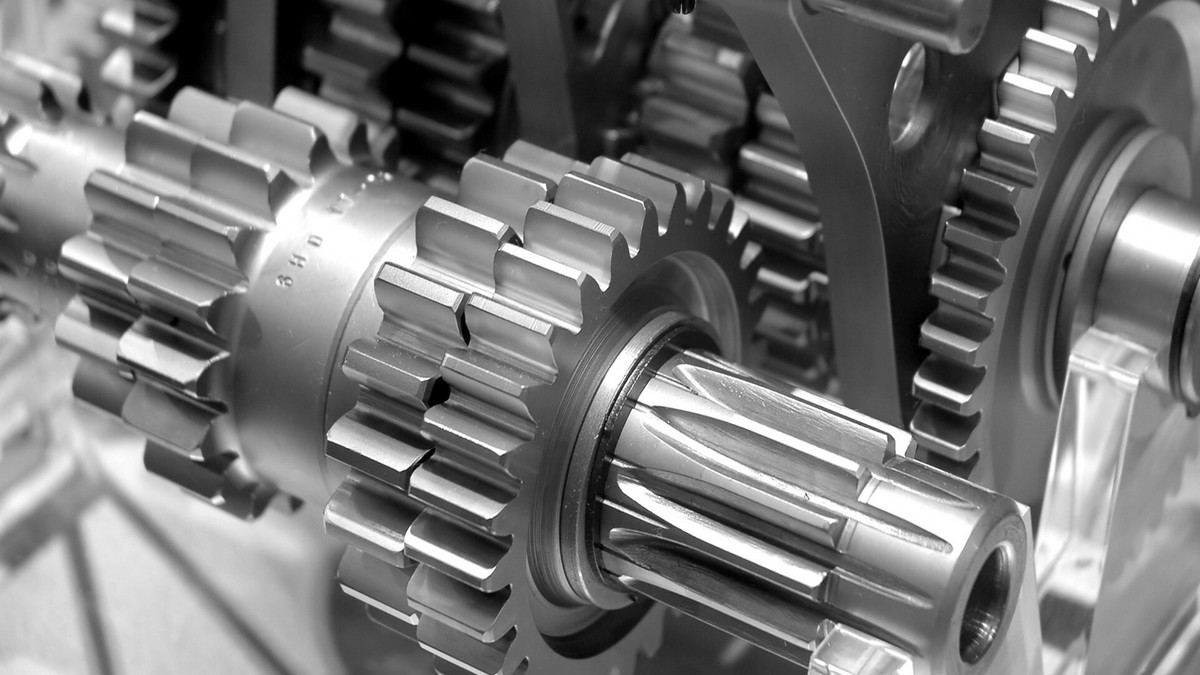
Knurling is a mechanical process of rolling patterns on the knobs of metal products or other working surfaces, mainly for anti-skid purposes. And used in many hardware, mold, and mechanical components.
2022-06-24 11:40:15
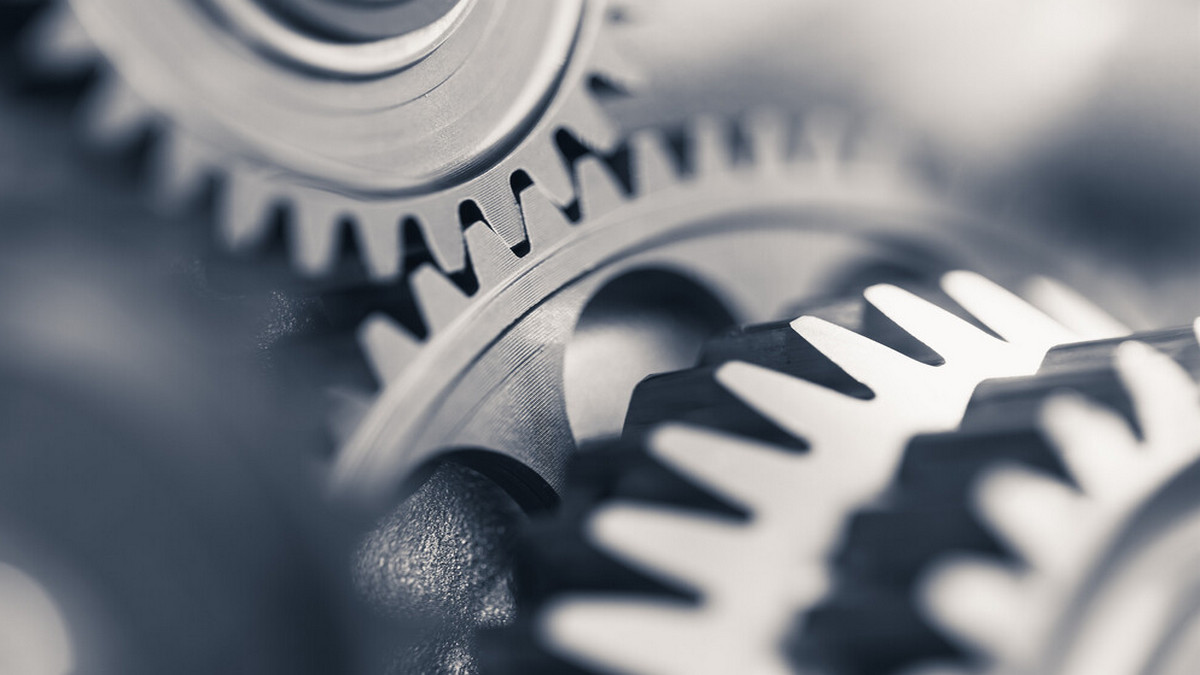
Gears are mechanical parts with teeth that mesh with each other to transmit motion and power in mechanical equipment. Because the ratio of transmission in gears is set, their perfect accuracy makes them ideal for precision machinery.
2022-06-23 15:12:51
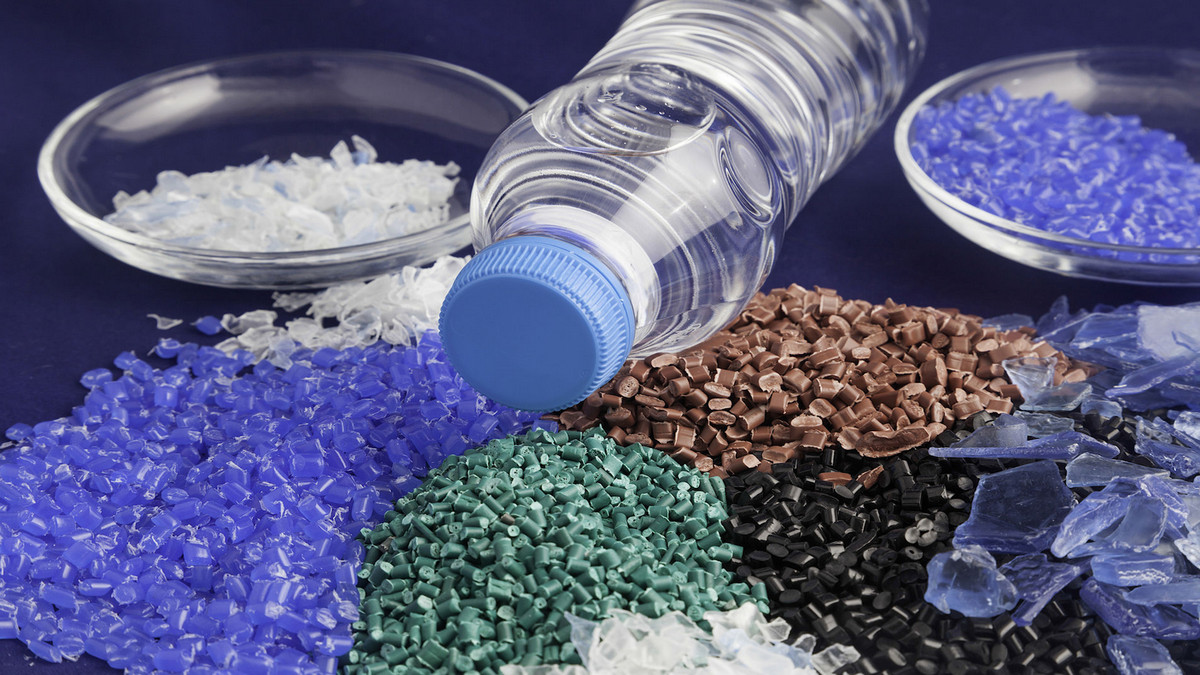
The waste plastic granulation process is the process of metering, bonding, plasticizing and granulating polymer resin and various waste plastics and additives into granular plastics, which are semi-finished products in the plastic molding processing industry.
2022-06-23 09:17:46
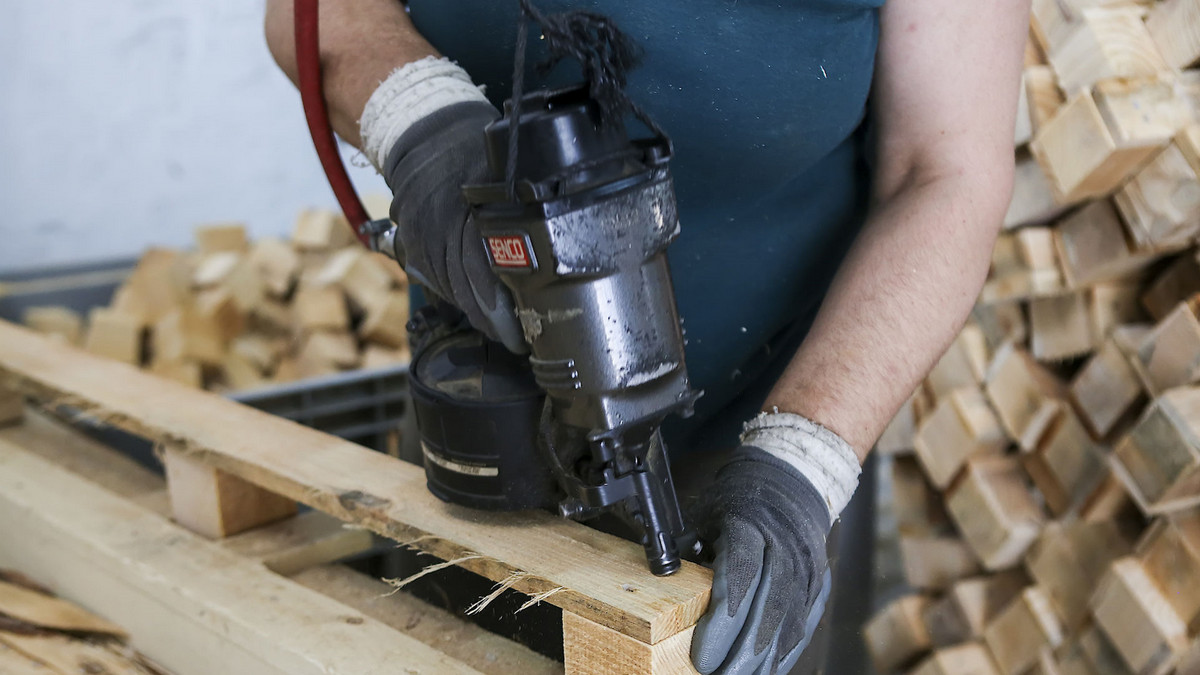
When it comes to maintenance tools, many people strongly recommend electric tools. They come in many varieties, are easy to use, and have low prices, so are especially suitable for home use. There is another powerful and efficient category of tools that are widely used in the tool industry that operate by air pressure; pneumatic tools. So, what is the difference between the two, and how should one choose? Let’s compare.
2022-06-22 15:32:57
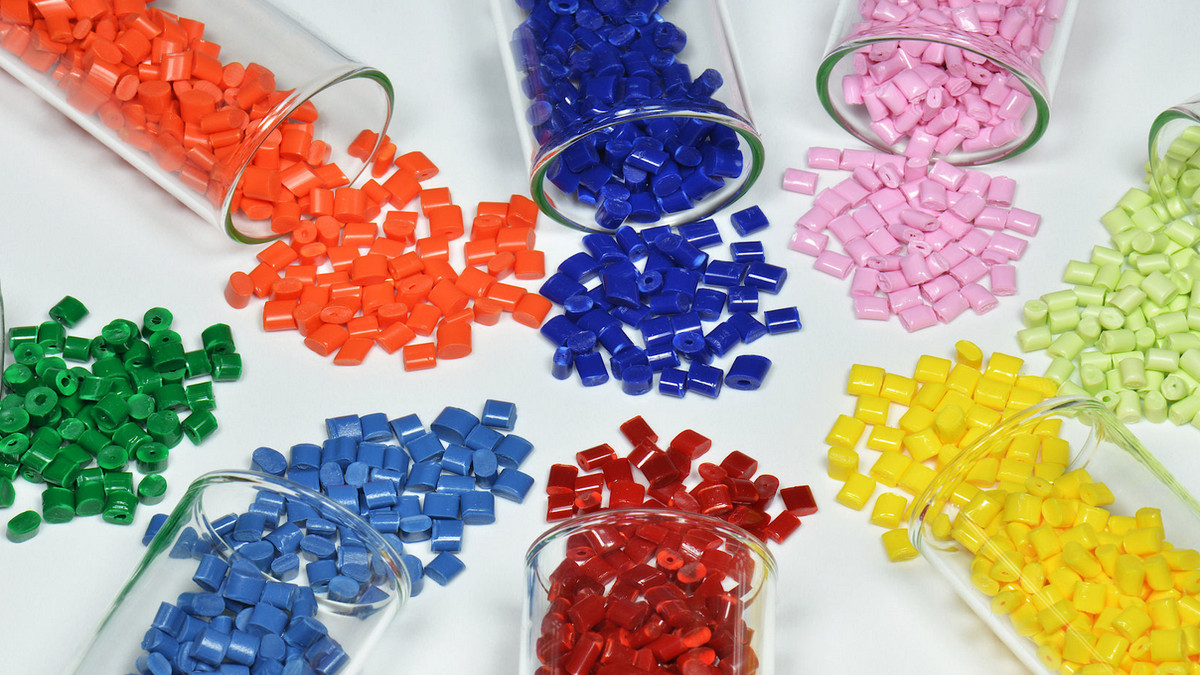
With the wide application of plastic products worldwide, the disposal of waste plastics has become a difficult and urgent problem. One method used to reduce environmental pollution caused by plastics is the granulation of plastics for reuse.
2022-06-22 10:08:36

Any electronic product must use two components, so-called "active components" and "passive components". "Active components", as the name suggests, are components that can actively perform operations independently, while "passive components" play a passive protective role. When an electronic product changes current or voltage, the role of "passive components" is to protect "active components" by means of lowering voltage, filtering noise, etc. To put it simply, "passive components" with low unit prices are always ready to protect the safety of "active components" with high unit prices.
2022-06-21 15:58:05
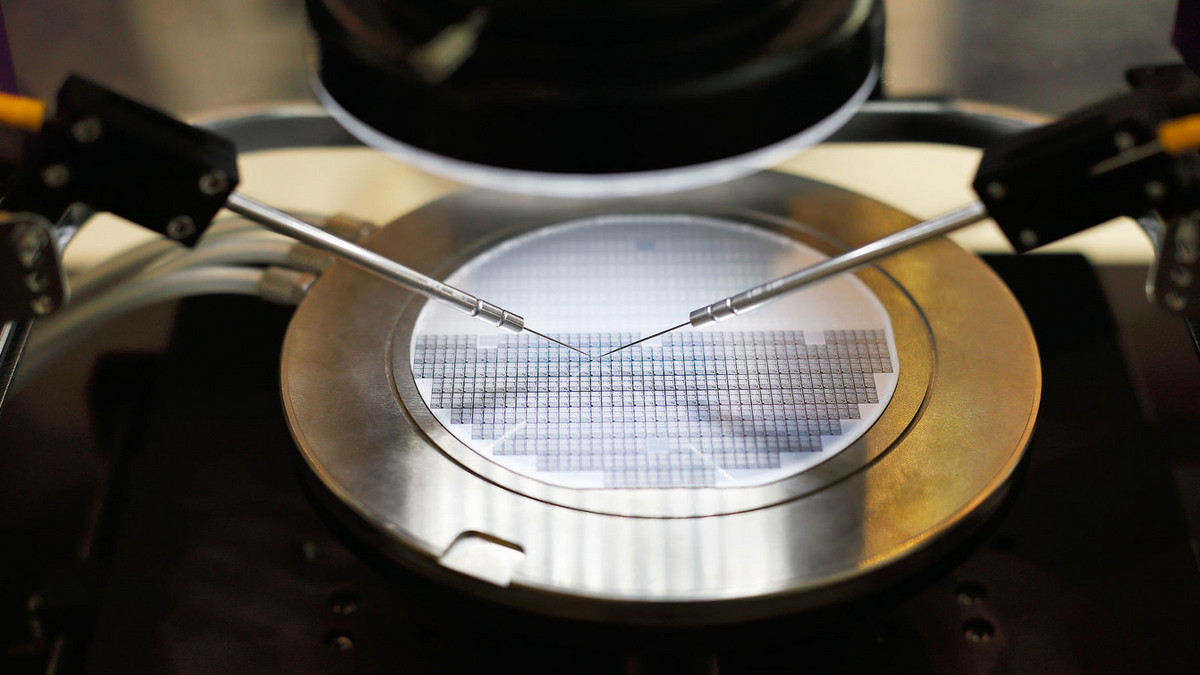
When reading or hearing about the semiconductor industry, we often hear the term wafer mentioned. But what exactly is a so-called wafer? What does an “8 inch” or “12 inch” wafer refer to? How difficult is it to produce large-sized wafers? The following is a step-by-step introduction to the most important foundation of semiconductors, the wafer.
2022-06-20 16:51:16
Hot Topic
Agree