Silicon Wafer Cutting Machines: The Core Engine of Solar Panel Manufacturing
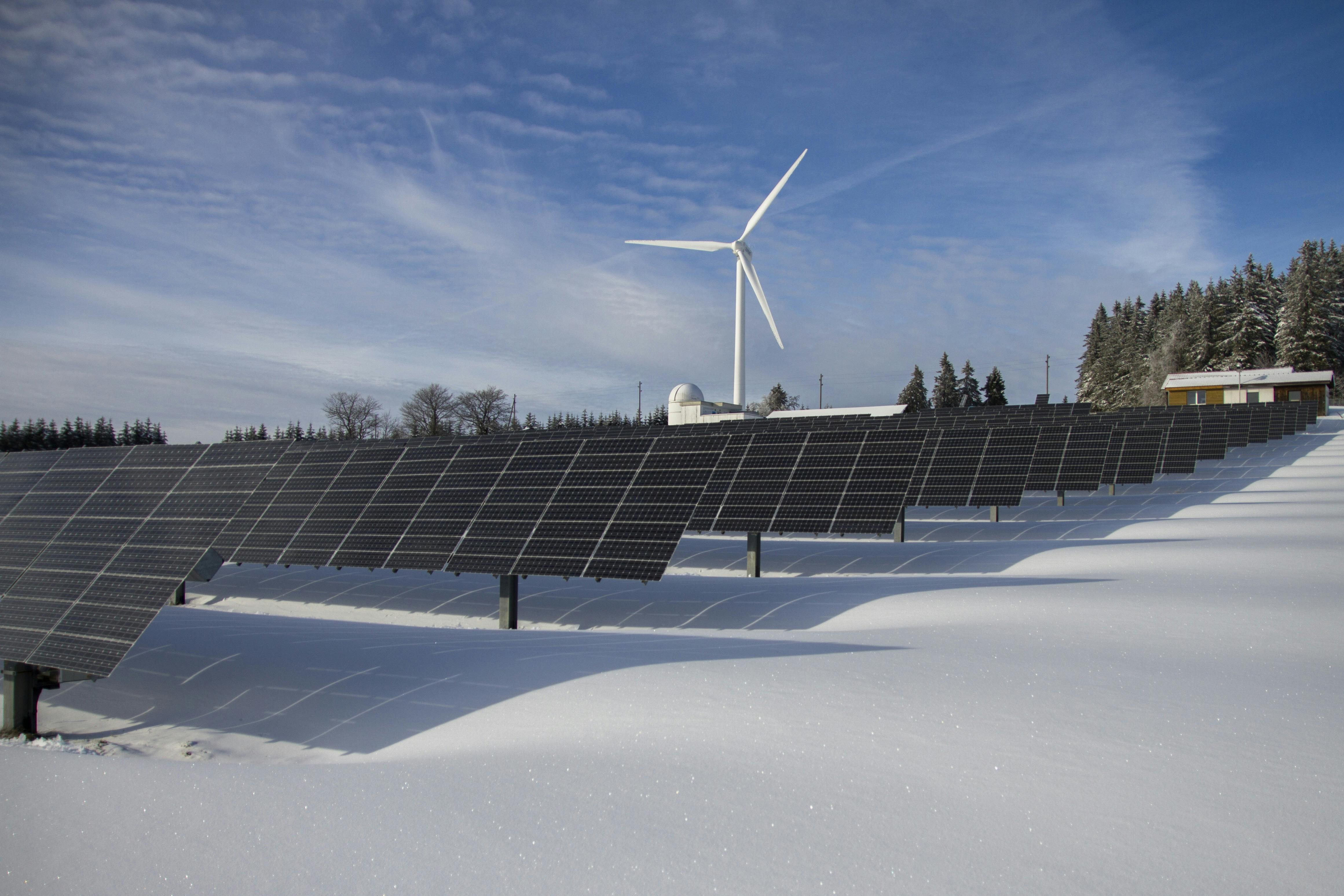
Photo by https://www.pexels.com/zh-tw/photo/46169/
Knowledge

Silicon Wafer Cutting Machines: The Core Engine of Solar Panel Manufacturing

In the solar panel manufacturing industry, the silicon wafer cutting machine (Wire Saw) forms the foundation of the entire production process and stands as the key equipment determining both product yield and cost. From slicing monocrystalline or polycrystalline silicon ingots to shaping the wafers used in photovoltaic modules, the quality of each wafer directly impacts the efficiency and durability of solar panels.
Published: Aug 20, 2025
Silicon Wafer Cutting Machines: The Core Engine of Solar Panel Manufacturing

Significance of Silicon Wafer Slicing

Defining Wafer Quality

    The wire saw cuts silicon ingots into ultra-thin wafers with precise thickness control, typically below 180 μm. The integrity, flatness, and uniformity of these wafers determine the efficiency and yield of subsequent processes, including polishing, electrode printing, and encapsulation.

Impacting Production Costs

    Silicon wafers represent the largest single cost component in solar panel manufacturing. High-precision cutting minimizes wafer breakage and material waste, significantly reducing raw material costs and improving overall production economics.

Supporting the Entire Manufacturing Flow

    Downstream processes such as wafer polishing, electrode printing, etching, and encapsulation all rely on wafer size and quality. Inaccurate cutting can compromise the performance and efficiency of the entire production line.

Technological Trends and Innovations

  • Fine Wire Saw Technology:Utilizes thinner wires for cutting, enhancing precision while reducing material loss.
  • Automation and Smart Control: Integrates sensors and digital control systems to monitor cutting in real time, adjusting tension and speed to ensure wafer uniformity.
  • Cooling and Lubrication Advancements:Reduces thermal stress during cutting, prevents wafer cracking, and enhances throughput and process stability.

Industrial Value and Applications

The efficient operation of silicon wafer cutting machines enables solar panels to be widely deployed in:

  • Residential and commercial rooftop photovoltaic systems
  • Utility-scale solar farms
  • Distributed energy systems and smart building integrations

High-quality wafers not only improve energy conversion efficiency but also extend module lifespan, directly increasing both environmental and economic value.

Conclusion

Silicon wafer cutting machines are irreplaceable at the heart of the solar panel value chain. They influence product quality, cost, and yield while driving the green energy industry toward greater efficiency. As such, they stand as a cornerstone in the global transition to sustainable energy.


Published by Aug 20, 2025

Further reading

You might also be interested in ...

Headline
Knowledge
How Forging Allowance Shapes the Cost and Accuracy of Final CNC Machining
Why the extra stock left on a forging can determine machining time, dimensional stability, and total part cost.
Headline
Knowledge
Why Die-Sinking EDM Electrodes Wear Unevenly and How Geometry Changes the Result
How electrode geometry, discharge behavior, flushing, and process settings influence wear patterns and dimensional accuracy in die-sinking EDM.
Headline
Knowledge
Why Automatic Spray Guns Produce Uneven Coating at Line Starts and Stops
How spray timing, pressure transients, material viscosity and motion synchronization affect coating consistency
Headline
Knowledge
Horizontal 5-Axis Machining: When Chip Evacuation and Multi-Face Access Justify the Layout
How chip flow, setup reduction, multi-sided machining, and automation determine whether a horizontal five-axis platform delivers practical value.
Headline
Knowledge
Designing Cable Assemblies for Wearable Medical Devices: Flexibility, Durability, and Patient Comfort
Remote Patient Monitoring (RPM) and wearable medical devices represent one of the fastest-growing segments in healthcare technology.
Headline
Knowledge
CNC Punching vs. Laser Cutting: Helping Your Customers Select the Right Technology
When comparing a CNC punching press with a CNC laser cutting machine, the best answer is rarely “one is better than the other.” The real question is which process creates the most value for a specific mix of part geometry, batch size, material flow, and downstream operations.
Headline
Knowledge
Sourcing Drawer Slides for Data Centers: Meeting the High-Density and Low-Tolerance Demands of Server Racks
As high-tech infrastructure expands, data centers are under growing pressure to support more computing power within tighter physical footprints.
Headline
Knowledge
How to Qualify Custom Worm Gears for Medical and Aerospace Systems: Testing, Traceability, and OEM Quality Controls
Help procurement teams and equipment manufacturers evaluate OEM worm gear suppliers using practical quality criteria, including inspection methods, test evidence, material controls, and traceability records.
Headline
Knowledge
Why High-Precision Manual Lathes Still Earn Their Place in CNC Machine Shops
The right machine is not always the most automated one, but the one that delivers the required part with the greatest speed, flexibility, and confidence.
Headline
Knowledge
How to Choose a Large 5 Axis Universal Machining Center: Match Automation Architecture to Your Real Production Bottleneck
Find the Real Production Bottleneck Before Choosing Automation
Headline
Knowledge
Full Automatic Dipping Machine vs. Automatic Loading and Unloading Machine: How to Choose the Right Automation Architecture
Choose automation based on where your line actually loses time, labor, and consistency, not simply on which machine has the most automated features.
Headline
Knowledge
Why Push-In Air Fittings Leak After Installation: Tube Preparation, Insertion Depth, and Side Load
How Tube Preparation, Incomplete Insertion, and Side Loading Affect Pneumatic Sealing Reliability
Agree