From Digital Healthcare to Carts as Clinical Partners
Trend

From Digital Healthcare to Carts as Clinical Partners

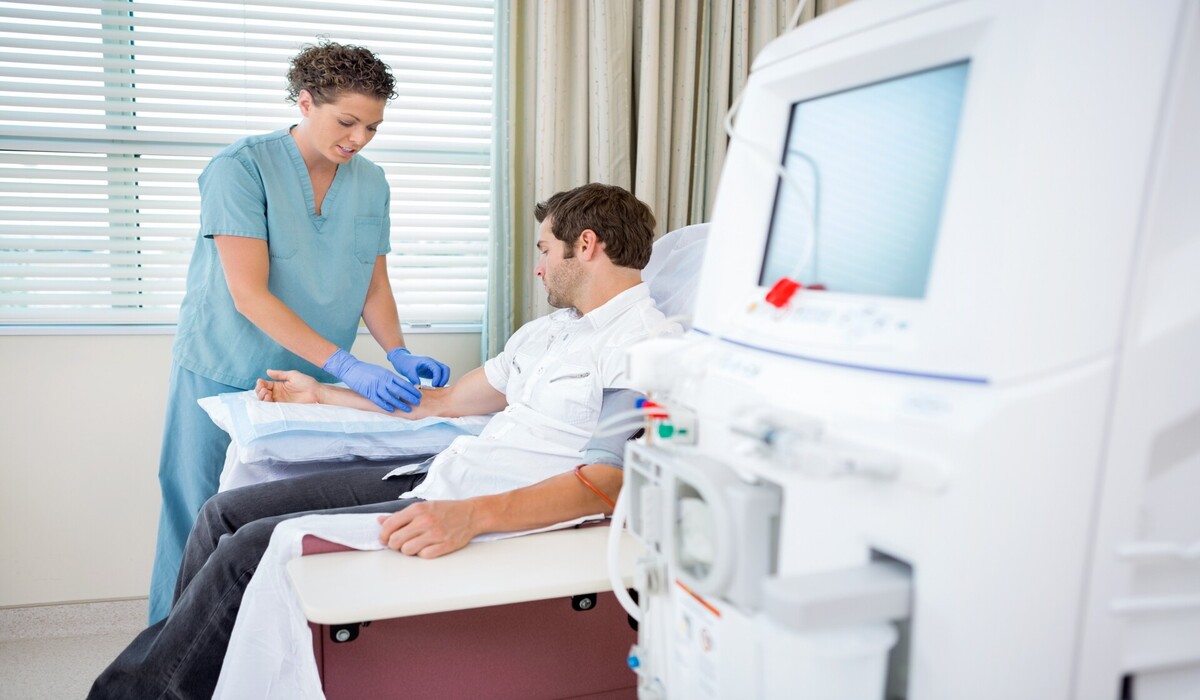
With the growing adoption of telemedicine and real-time monitoring systems, medical carts have evolved beyond their traditional role as transport tools—transforming into intelligent platforms that integrate connectivity and information display capabilities. These carts support uninterrupted clinical workflows, enabling healthcare professionals to update medical records, operate medical devices, and perform emergency interventions efficiently. Against this backdrop, various types of medical carts—including medication carts, emergency carts, and equipment-integrated carts—are moving toward intelligent and highly modular designs, significantly enhancing clinical efficiency and the overall quality of patient care.
Published: Aug 06, 2025
From Digital Healthcare to Carts as Clinical Partners

Application-Driven Demand Growth: From Ward Rounds to Emergency Response, All-in-One Solutions

Emergency carts (also known as crash carts) remain one of the most prominent product categories in the market, responsible for delivering immediate access to medications and equipment during urgent rescue situations. According to statistics from Mordor Intelligence and Precedence Research, emergency carts account for approximately 41% of the total market share, making them the preferred choice in clinical environments. Their modular design and high mobility are essential features in operating rooms and intensive care units (ICUs).

Simultaneously, with the rising demand for outpatient surgeries and minimally invasive treatments, procedure carts and equipment carts have rapidly gained popularity by catering to the organization of specialized instruments and consumables for specific departments. These carts often integrate barcode scanning, RFID tracking, and medication management systems, significantly improving ward inspection and drug dispensing efficiency while reducing the risk of medical errors. As a result, they have become indispensable intelligent tools in modern healthcare workflows.

Toward Intelligent and Human-Centered Design

Technology integration is a key driver behind the rapid growth of the medical cart market. Modern cart designs extensively incorporate Internet of Things (IoT) connectivity, artificial intelligence (AI) data analytics, and inventory alert features, significantly reducing manual workload while enabling automated warnings and risk notifications—thereby enhancing patient safety and operational efficiency.

Moreover, ergonomic design has rapidly advanced: pneumatic height adjustment, 360-degree omnidirectional casters, and lightweight materials enable nursing staff to maneuver carts comfortably over extended periods. The use of composite materials and antimicrobial coatings further reinforces hygiene standards, making these carts especially suitable for pandemic response and environments requiring strict disinfection protocols.

Regional Market Insights: North America’s Steady Leadership and Rapid Growth in Asia

The North American market has long been the dominant force in global medical cart procurement, accounting for over 40% of the global market share in 2024. This leadership is supported by a mature healthcare system and significant capital investments.

Meanwhile, the Asian market—particularly China, India, and Southeast Asia—is experiencing rapid growth. Driven by extensive new construction and renovation of healthcare facilities, as well as the adoption of intelligent cart solutions, the region is achieving overall market growth rates of approximately 15% to 17%.

Conclusion

Over the next decade, medical carts will demand not only comprehensive functionality but also seamless workflow integration, energy efficiency, and sustainable design. Analysis indicates that the adoption of intelligent automation and eco-friendly materials will become key criteria for evaluating cart products. Healthcare institutions increasingly emphasize total cost-effectiveness, expecting excellence in both hardware-software integration and high levels of customization to stand out in a competitive market.

Medical carts are gradually transforming from standalone hardware devices into intelligent nodes within healthcare workflows, playing a crucial role in enhancing patient safety, optimizing nursing efficiency, and reducing medical errors. Current and future market trends focus on the deep integration of smart connectivity, modular design, human-centered ergonomics, and sustainable materials—driving continuous innovation and growth in the medical cart industry.

Published by Aug 06, 2025 diwei.

Further reading

You might also be interested in ...

Headline
Trend
Why U.S. and European Cafes Are Embracing Bubble Tea: Market Trends & Business Insights
Over the past decade, bubble tea—once a niche Taiwanese beverage—has become a global sensation. What was once considered a novelty is now a mainstream beverage option in cafés, restaurants, and even hotels across the United States and Europe. The question many in the foodservice industry are asking is: Why are Western businesses adding bubble tea to their menus?
Headline
Trend
Why Smart Factories Are Prioritizing High-Efficiency Oil Mist Filtration
An analysis of how cleaner air leads to longer machine life and lower costs in the CNC industry.
Headline
Trend
Navigating the Future: Taiwan's Lathe Industry in 2025 and Beyond
Taiwan's lathe industry, a cornerstone of the global machine tool sector, is currently at a critical juncture. Known for its expertise in mid-to-high-end CNC lathes and multi-axis machining centers, the industry has a storied history of evolution and resilience. However, the late 2025 landscape is complex, demanding strategic agility to overcome intense international competition and technological shifts.
Headline
Trend
2026 Precision Machining Trends- Essential Tools for Smart Manufacturing
As we approach 2026, the precision machining industry is poised for significant transformation. The increasing demand for complex and high-precision parts has driven the adoption of smart manufacturing and automation technologies. In this article, we'll explore the top 5 trends in precision machining for 2026 and how SYIC is supporting the industry's evolution.
Headline
Trend
The Application of Materials Science in Medical Device Manufacturing
In the field of medical device manufacturing, materials science plays a central role, directly impacting the safety, durability, and clinical performance of equipment. With the rapid development of smart healthcare and precision medicine, the demands for material performance have become increasingly stringent, particularly in the areas of biocompatibility, antimicrobial properties, and lightweight design.
Headline
Trend
Globalization and Steel-and-Glass Structures: Has the Architectural Divide Between East and West Disappeared?
In the West, concrete is a symbol of strength and efficiency, yet in the hands of a Japanese master, it can become a vehicle for Zen philosophy. In Asia, bamboo is revered as a sustainable material, but in the West, it is being redeveloped into a high-tech, eco-friendly solution. This article will delve into why architects from the East and West, even when faced with the same materials, can create two completely different architectural identities. The root of this lies in a fundamental difference in philosophy: the Eastern focus on living in harmony with nature and the Western drive to challenge physical limits.
Headline
Trend
Sewing Challenges in the Era of Sustainability: Balancing Durability and Eco-Friendliness
In discussions on sustainable textiles, sewing threads may seem insignificant, yet they play a crucial role. The material and production process of threads not only affect the durability of garments but also have long-term environmental impacts. In particular, under the influence of “fast fashion,” low-quality threads often break or fade easily, leading to garments being quickly discarded. In contrast, durable threads made from sustainable sources help extend the life cycle of clothing, reduce waste, and embody the concept of “slow fashion.”
Headline
Trend
Addressing Packaging Challenges Across Industries: Key Strategies for Food, Chemical, and Pharmaceutical Sectors
Do different industries face the same challenges? While the products of the food, chemical, and pharmaceutical industries vary greatly, their packaging lines share a common set of core challenges: how to ensure quality and safety while balancing high efficiency and regulatory compliance. As a result, customized packaging solutions have become the mainstream. Packaging machines are no longer single-function devices for "capping and filling" but rather comprehensive systems designed to meet the specific regulations of each industry.
Headline
Trend
The AI Revolution in Healthcare: Redefining the Future of Medicine
The explosive rise of artificial intelligence (AI) is ushering in an unprecedented transformation within the healthcare industry. No longer just a data analysis tool, AI has evolved into a smart assistant capable of deep collaboration with human experts and even operating independently. From diagnostic assistance to personalized treatment plans, AI is making healthcare more efficient, precise, and accessible to every patient.
Headline
Trend
Waterless Printing & Smart Tech: The New Eco-Standard for Label Printing
As global expectations for environmental protection rise, both consumers and brands are placing greater emphasis on the environmental impact of a product’s entire lifecycle—from production to recycling. Labels and stickers, as common products in the printing industry, have traditionally relied on large amounts of water, solvents, and energy in their production processes, creating a significant environmental burden. Today, sustainable printing is no longer an optional add-on but a key strategy for building brand trust and enhancing market competitiveness. Brands with clear eco-friendly initiatives are more likely to gain favor from both policymakers and the market, positioning themselves at the forefront of the global sustainability trend.
Headline
Trend
Modern Scaffolding: A Guide to Revolutionizing Construction Safety & Efficiency
From the construction of the ancient pyramids of Egypt to the rise of modern skyscrapers, one crucial temporary structure has always played the role of an unsung hero: scaffolding. This support system not only provides a safe foothold for workers but has also continuously evolved from a simple framework into a highly efficient, precise, and intelligent engineering system.
Headline
Trend
Smart Manufacturing in Printing: A New Era of Efficiency, Precision, and Sustainability
For over a century, the printing industry has been regarded as a relatively mature and stable sector. However, as market demand diversifies and the wave of digitalization accelerates, printing is undergoing a profound transformation. In the era of Industry 4.0, intelligence and automation have become the keywords of competitiveness. From AI (Artificial Intelligence) to IoT (Internet of Things), and the rise of post-press automation, these technologies are quietly reshaping every step of the printing process. Printing is no longer just about reproducing text and images; it is evolving into an era of “smart manufacturing” that is more efficient, precise, and environmentally friendly.
Agree