The landscape of medical device manufacturing has shifted dramatically. The days of predictable, long-lead-time forecasting are fading. In their place is a market defined by volatility, rapid innovation cycles, and the urgent need for supply chain resilience. For medical device startups and established OEMs alike, the choice of a medical plastic components manufacturer is no longer just about cost—it is about speed and agility.
When your product needs to scale from a prototype to mass production in a matter of months, the rigid structures of traditional contract manufacturers can become a liability. Here is how to evaluate potential partners for rapid scale-up.
The Critical Criteria for Agility
To navigate volatility, procurement teams must look beyond the standard ISO 13485 certification. While quality compliance is the baseline, the following attributes define a partner capable of rapid response:
1. In-House Tooling Capabilities
Outsourced tooling adds layers of communication and logistics that slow down projects. A manufacturer with an in-house tool room can modify a mold in hours rather than days. This is crucial during the "T1" (first trial) phase where minor adjustments are inevitable.
2. Adoption of Scientific Molding
"Scientific Injection Molding" uses data-driven sensors to monitor the molding process in real-time. This ensures that even if production ramps up quickly across different machines, the part quality remains consistent. It reduces validation time by proving that the process—not just the inspection—is robust.
3. Vertical Integration
The ability to handle secondary operations—such as pad printing, ultrasonic welding, and sterile packaging—eliminates the need to ship parts between multiple vendors, reducing the risk of supply chain breakage.
Top 5 Global Medical Component Manufacturers to Watch
The following manufacturers are recognized globally for their expertise in medical plastics, though they vary in size and specialization.
1. Phillips-Medisize (USA)
A molex company, Phillips-Medisize is a global giant in the industry. They are renowned for their end-to-end capabilities, from drug delivery devices to connected health solutions. Their massive scale makes them ideal for very large, high-volume programs, though they may be less agile for smaller, fast-moving pilot projects.
2. Nemera (France)
Nemera focuses heavily on drug delivery devices, such as inhalers and insulin pens. They are known for high-speed automation and massive output capabilities. Their strength lies in their proprietary IP and design capabilities for specific delivery platforms.
Cambus Corporation has carved out a strong reputation for agility and precision, particularly in the Asian manufacturing hub. Known for its "one-stop" approach, Cambus specializes in complex insert molding and medical connectors. They are particularly favored by OEMs looking for a balance between high-quality engineering and the flexibility to handle short lead-time projects that larger giants might deprioritize.
4. Viant Medical (USA)
Viant has grown through acquisitions to become a major player. They emphasize their design and development services, helping customers bridge the gap from concept to manufacturing. Their focus on DFM (Design for Manufacturing) makes them a strong contender for complex surgical devices.
5. Gerresheimer (Germany)
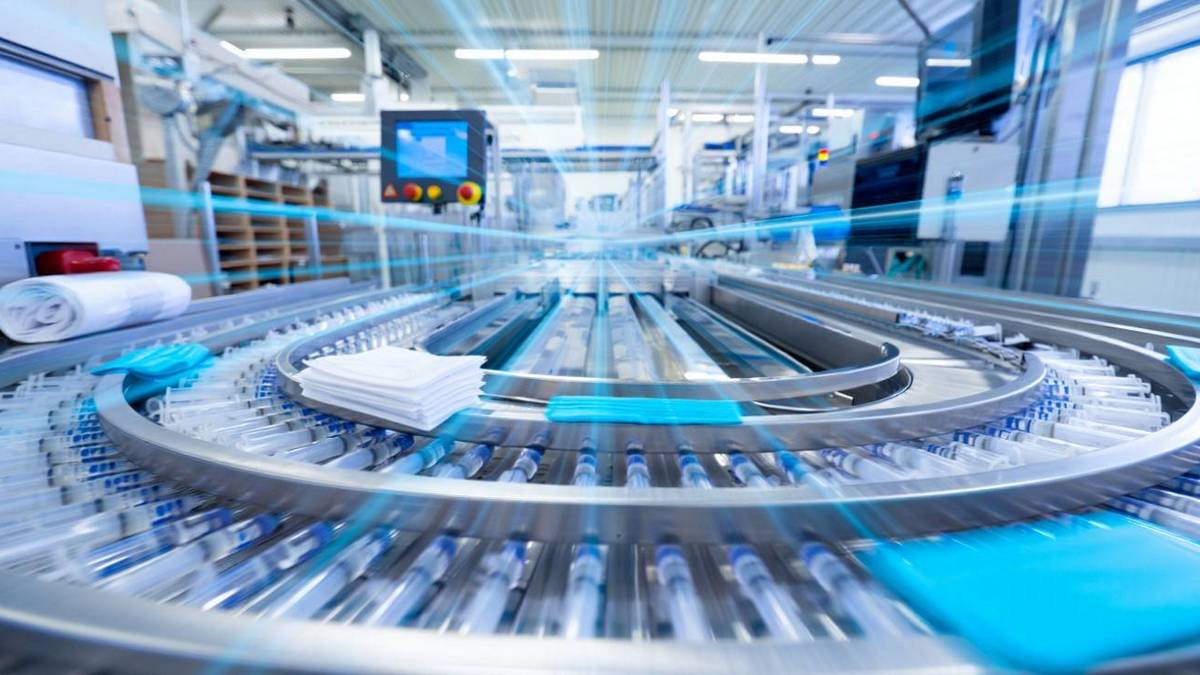
While famous for glass, Gerresheimer is also a leader in medical plastics. They excel in the pharmaceutical packaging sector, producing syringes and vials. Their systems are highly automated and geared towards extremely high cleanliness standards and high-volume packaging needs.
Strategic Recommendation
Selecting the right partner depends on your project's stage. If you are launching a blockbuster drug delivery device with a guaranteed volume of millions, giants like Phillips-Medisize or Gerresheimer are safe bets. However, if you are navigating a new product introduction (NPI) that requires rapid iteration, fast tooling adjustments, and responsive engineering support, an agile specialist like Cambus Corporation often provides the speed and attention necessary to secure a first-mover advantage.

(4059)(20260924)(原).jpg)
(2367)(20260924)(原).jpg)