Intermittent Fasting (IF) has rapidly evolved from a niche topic within fitness circles to a global health trend in recent years. Popular fasting methods such as the "16/8" and "Alternate-Day Fasting" are widely embraced due to their simplicity and ease of practice. Numerous studies indicate that these approaches can aid in weight loss, improve blood sugar control, lower cholesterol, reduce chronic inflammation markers, and may even delay aging. However, recent research also warns that excessively restricting eating windows—such as eating only 8 hours a day—may be associated with a 91% increased risk of cardiovascular mortality, especially for individuals with a history of heart disease or cancer. Therefore, experts recommend carefully selecting fasting windows and adjusting them based on individual health conditions when practicing intermittent fasting. Additionally, the refeeding phase is crucial; dietary intake should transition gradually from liquids to solid foods to avoid sharp blood sugar fluctuations or gastrointestinal discomfort. In summary, intermittent fasting is not just a dietary regimen but a lifestyle choice, and when practiced cautiously under professional guidance, it may offer a promising option for improving health.
The Rise of the Fasting Trend — More Than Just Weight Loss, It’s a Lifestyle
In recent years, Intermittent Fasting (IF) has moved from being a niche topic among fitness enthusiasts and celebrities to becoming a global health trend. Numerous news outlets and scientific studies have highlighted that methods such as the “16/8 fasting protocol” or “alternate-day fasting” can help boost metabolism, stabilize blood sugar, promote autophagy and self-repair, and may even support anti-aging and immune function. Short-term studies have shown positive effects of IF on improving cholesterol, blood pressure, and chronic inflammation markers, and it holds potential for preventing chronic diseases and slowing the aging process in the future.
Search trends show that keywords like “16/8,” “Alternate-Day Fasting,” and “Fasting Benefits” consistently rank among the top in health-related topics, reflecting IF’s transition from a niche diet to a mainstream lifestyle choice. Google search data has revealed that IF was once one of the most popular weight-loss diets, while market reports show a high adoption rate among middle-aged individuals. The related app market is also growing at around 15.7% annually.
However, researchers caution against blind adoption. An analysis of data from more than 20,000 adults found that compressing daily eating into an eight-hour window—compared with a 12–16 hour eating period—was linked to a 91% higher risk of cardiovascular-related death. Additionally, The Washington Post reported that while IF offers notable short-term benefits for weight loss and metabolic health, its long-term effects and potential cardiovascular risks require further study.
In conclusion, intermittent fasting is reshaping global dietary conversations: it is no longer merely a weight-loss tool, but a way of living in sync with time and the body’s natural rhythms. When practiced with consideration of one’s personal health conditions and with a carefully chosen eating window, it can become a powerful tool for personal health autonomy. Still, in pursuing results, the key is to choose a method that is genuinely beneficial, safe, and sustainable for your own body.
Fasting Methods Explained – Diverse Options, Flexible Execution
Fasting is not a one-size-fits-all approach; here are some of the most representative methods:
- 16/8 Time-Restricted Eating (TRE): Eat within a fixed 8-hour window each day and fast for the remaining 16 hours. This is the easiest and most common method to follow. Studies suggest it can improve metabolism and cardiovascular markers.
- 5:2 Diet: Choose any two days per week to consume only 500–600 calories, while eating normally on the other days. This approach shows significant weight loss effects.
- Alternate-Day Fasting (ADF): Alternate between one day of normal eating and one day of low-calorie intake (or even complete fasting). This pattern creates a metabolic rhythm shift.
- Prolonged Fasting (e.g., 48–72 hours): Should only be done under medical or nutritional supervision. It can enhance autophagy and metabolism, but carries higher risks and requires caution.
Scientific Support and Associated Risks
Recent studies indicate that even under a high-fat, high-calorie diet, adopting alternate fasting methods such as 1:1 or 2:1 can still prevent weight gain and improve blood sugar and cholesterol levels, offering a new weight-loss approach that doesn’t rely on continuous calorie restriction.
However, caution is needed: if the eating window is too short (such as only 8 hours), a report from the American Heart Association suggests it may be associated with an almost 91% increase in cardiovascular mortality. This serves as a reminder to pay greater attention to food quality and individual health conditions.
Refeeding: The Golden Strategy from Fasting to Nourishment
Many people focus only on the fasting itself, yet overlook the “refeeding phase” after it ends. If refeeding is rushed with high-fat, high-sugar, or heavily seasoned foods, it can lead to sharp blood sugar spikes and digestive discomfort. Experts therefore recommend transitioning from liquids to soft foods, and then to solid foods, following a small-and-frequent-meals approach to gradually ease the body back into its normal rhythm.
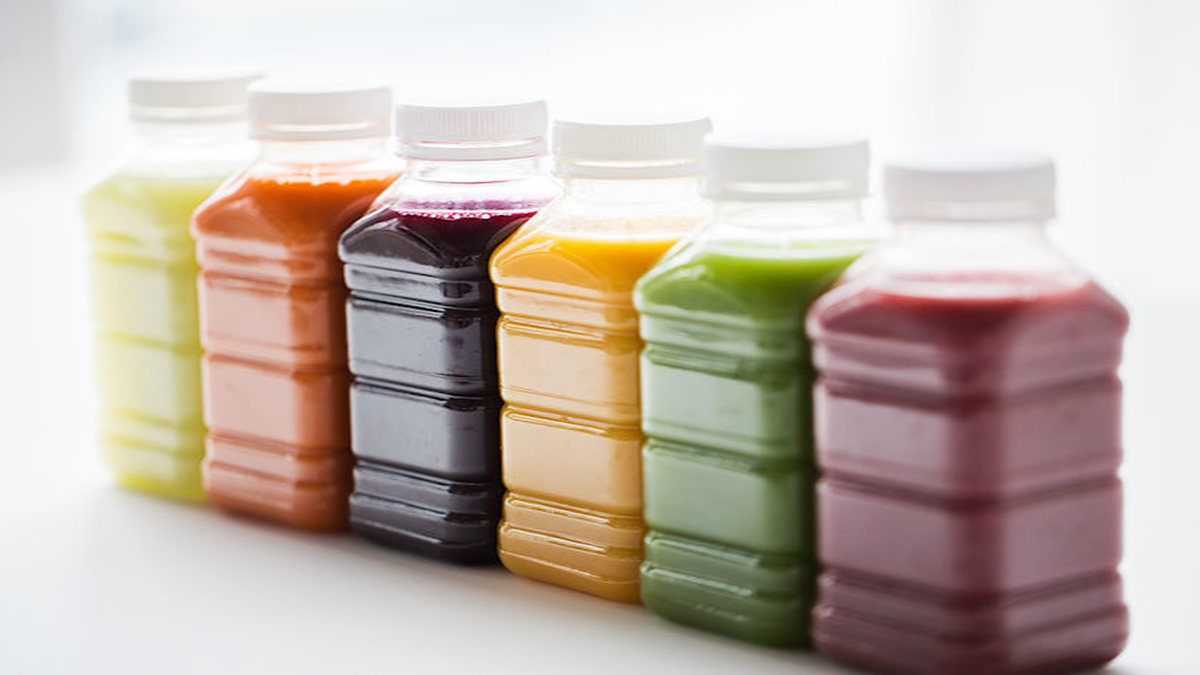
The market shows a preference for the following products:
- Plant-Based Protein Drinks
- Electrolyte Replacement Beverages
- Low Glycemic Index Snack Bars
- Light-Carbohydrate Soups
These products are not only easy to digest but also align with the refeeding goal of being “healthy and light on the body.”
The Rise of Functional Foods — From Functional Eating to Refeeding Nutrition
Functional foods have become a global food trend, with the market experiencing rapid growth in 2025. Products enriched with protein, probiotics, antioxidants, and other health-boosting ingredients are especially popular.
The concept of “Functional Feasting” is emerging: consumers increasingly view their diet as a tool to optimize health, enhance immunity, and improve mood—not merely as a way to satisfy hunger.
However, experts caution that many snacks marketed as “low sugar,” “clean,” or “guilt-free” are often highly processed and expensive, potentially exacerbating dietary anxiety and inequality.
Market Opportunities and Brand Positioning Recommendations
The dual trends of fasting and functional nutrition present an excellent entry point for brands. Developing refeeding products that combine “nutrition, convenience, and lightness,” such as ready-to-drink protein shakes, electrolyte powders, and low-GI snack packs, can more easily attract the fasting community.
Consumers value not just the products themselves, but whether these products can help them “consciously and efficiently manage their health.”
From Fasting to Daily Health Rituals: Redefining Eating Rhythms
Intermittent fasting is no longer just a weight-loss tool; it has evolved into a comprehensive approach that considers when to eat and how to transition between fasting and feeding. This trend influences not only eating habits but also food innovation and brand strategies. It’s not just a health movement—it’s a rising market wave.
The next big business opportunity might just be in the “first bite or sip after fasting” product you create.