Lithium-ion (Li-ion) batteries provide the power for many devices and technologies that define modern life. From smartphones to electric vehicles (EVs), their lightweight and high-energy storage capabilities make them indispensable. Their underlying technology has led to the development of different types, unique applications, and a global manufacturing landscape that has seen a growing role in this dynamic industry.
The Historical Development of Lithium-Ion Batteries
The roots of Li-ion battery technology trace back to the 1970s when researchers sought alternatives to the heavy and inefficient nickel-cadmium (NiCd) and lead-acid batteries. Early attempts to use lithium metal as an anode proved problematic due to safety concerns, but breakthroughs came with the development of lithium cobalt oxide (LiCoO₂) as a cathode material in 1980.
Sony commercialized the first rechargeable Li-ion battery in 1991. This new technology offered superior energy density and longer lifespan compared to traditional batteries, leading to widespread adoption in portable electronics.
Since then, continuous advancements in materials and design have enhanced the performance, safety, and affordability of Li-ion batteries, making them the go-to solution for energy storage across various industries.
How Lithium-Ion Batteries Work
Li-ion batteries operate on a straightforward principle: the flow of lithium ions between the anode (usually graphite) and the cathode (a lithium metal oxide) through an electrolyte. During charging, lithium ions migrate from the cathode to the anode, storing energy. During discharge, the ions flow back to the cathode, releasing energy for use.
This mechanism enables Li-ion batteries to achieve:
• High Energy Density: Packing more energy into smaller and lighter cells.
• Long Cycle Life: Maintaining performance over hundreds or thousands of charge cycles.
• Low Self-Discharge: Retaining energy efficiently when not in use.
• Low Maintenance: Unlike traditional batteries, Li-ion systems don’t require periodic discharge or extensive care to retain their capacity.
• Eco-Friendliness: Free from heavy metals like cadmium and lead, making them less harmful to the environment.
Types of Lithium-Ion Batteries and Unique Applications
Li-ion batteries are not a one-size-fits-all solution. Variations in cathode materials and design lead to specialized battery types optimized for specific applications:
1. Lithium Cobalt Oxide (LCO):
o Applications: Smartphones, tablets, cameras.
o Benefits: High energy density and compact size.
o Drawbacks: Limited lifespan and safety concerns due to lower thermal stability.
2. Lithium Iron Phosphate (LFP):
o Applications: Electric vehicles (EVs), energy storage systems.
o Benefits: Excellent thermal stability, long cycle life, and excellent safety profile.
o Drawbacks: Lower energy density compared to LCO.
3. Lithium Manganese Oxide (LMO):
o Applications: Power tools and medical devices.
o Benefits: High thermal stability, moderate energy density, and fast charging.
o Drawbacks: Shorter lifespan.
4. Nickel Manganese Cobalt Oxide (NMC):
o Applications: EVs and grid energy storage systems.
o Benefits: Balanced energy density, lifespan, and safety.
o Drawbacks: Complex manufacturing processes with higher production costs.
5. Lithium Nickel Cobalt Aluminum Oxide (NCA):
o Applications: High-performance EVs (e.g., Tesla) and industrial uses.
o Benefits: High energy density and long lifespan.
o Drawbacks: Expensive and lower thermal stability compared to LFP.
6. Solid-State Batteries (Emerging Technology including Lithium Ceramic Batteries):
o Applications: Future electronics and advanced EVs, promising higher safety and energy density by replacing liquid electrolytes with solid ones.
o Benefits: Improved safety, energy density, and longevity.
o Drawbacks: Currently expensive and challenging to manufacture.
Current Trends
The global demand for Li-ion batteries continues to grow, driven by advancements in transportation, renewable energy, and consumer electronics. Key trends include:
1. Electrification of Transportation:
o Automakers are investing heavily in Li-ion technology to improve energy density, reduce charging times, and lower costs.
2. Energy Storage Systems (ESS):
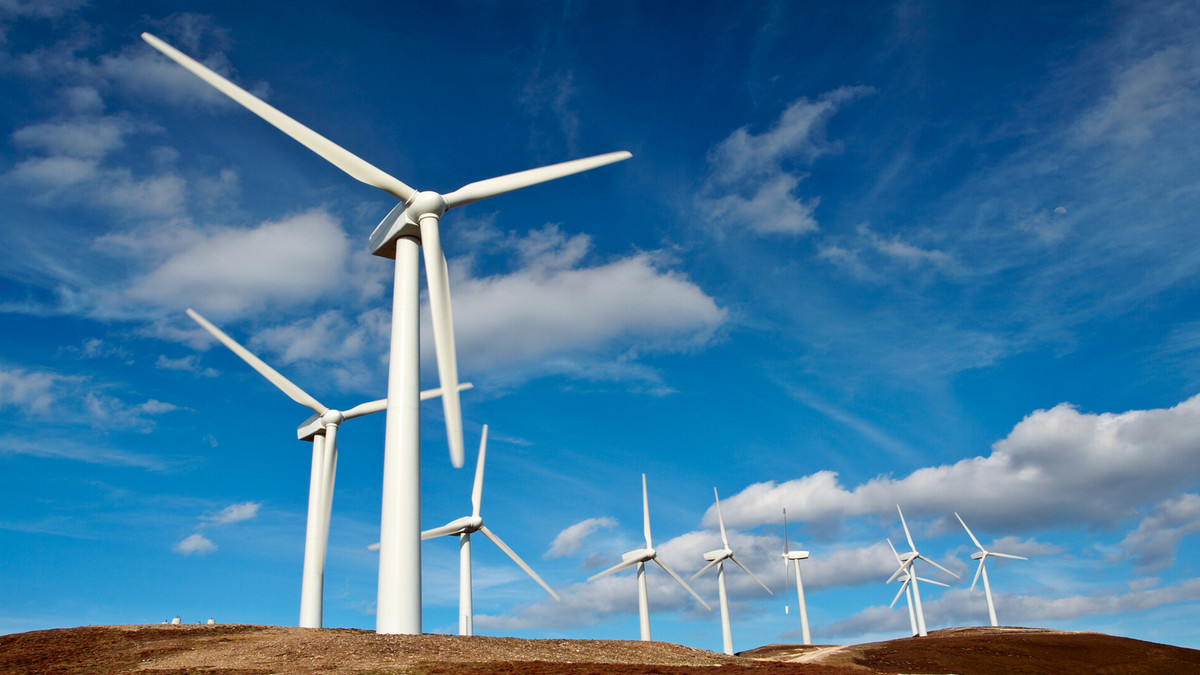
o Li-ion batteries are essential for renewable energy integration, balancing power supply from solar and wind systems.
3. Miniaturization:
o Consumer electronics push for smaller, more efficient batteries to power increasingly compact devices.
4. Recycling and Sustainability:
o Efforts to reclaim valuable materials like cobalt and lithium are becoming critical for environmental and economic reasons.
5. Gigafactory Expansion:
o Massive production facilities are being established globally to meet the soaring demand for Li-ion batteries.
Manufacturing Landscape
Global Manufacturing
China leads the world in Li-ion battery production, contributing over 70% of the global supply. South Korea and Japan are significant players, producing batteries with advanced technologies for EVs and consumer electronics. North America and Europe are also increasing their production capabilities to reduce reliance on imports.
Manufacturing in Taiwan
Taiwan’s expertise in electronics and advanced manufacturing supports an emerging hub for Li-ion battery production. In addition to supporting the consumer electronics, automotive, and renewable energy storage industries, Taiwan hosts several companies that excel in producing batteries for high-end applications such as medical devices, aerospace, and industrial equipment. manufacture lithium-ion (Li-ion) batteries,
Companies like E-One Moli Energy Corp. and ProLogium Technology are leading manufacturers of high-performance lithium-ion cells, catering to applications like power tools, electric vehicles, and energy storage systems. SimPlo Technology specializes in battery pack design and manufacturing for laptops, smartphones, and other consumer electronics.
Future Outlook
The future of Li-ion batteries is bright, with continuous innovation aimed at next-generation technologies like solid-state batteries to remain competitive in the global market. Prominent Taiwanese manufacturers are expanding their production capacities to cater to the growing demand for EVs and energy storage systems. Li-ion technology will remain central to powering a connected and energy-efficient world.