Trend

Automation and Sustainability: The Future of Metalworking

The global metalworking industry is undergoing a major transformation. Two forces—automation and sustainability—are redefining how manufacturers approach efficiency, quality, and competitiveness. Companies that once relied on incremental machinery upgrades are now turning to connected ecosystems, data-driven production, and environmentally responsible practices.
Published: Jan 22, 2026
Automation and Sustainability: The Future of Metalworking

From Cobots to Lights-Out Manufacturing

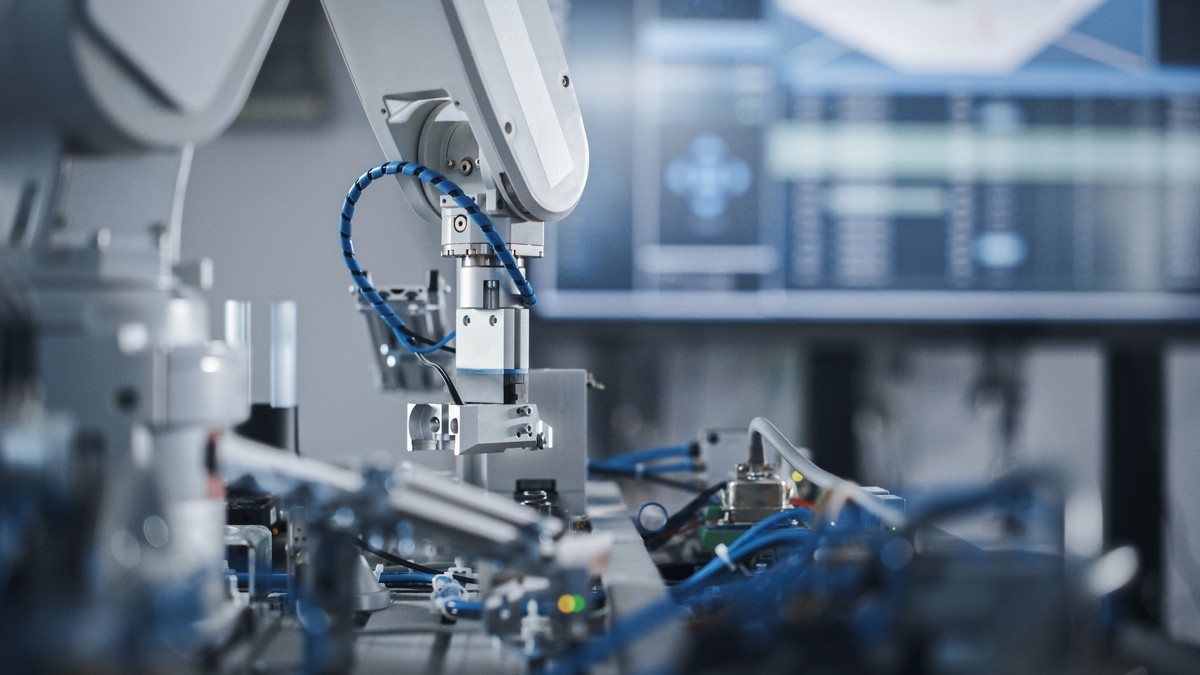
Automation has advanced far beyond simple mechanization. Collaborative robots (cobots) are increasingly used to perform repetitive, precision-intensive, or ergonomically challenging tasks alongside human workers. At the same time, the concept of “lights-out manufacturing” is becoming a reality. Factories equipped with robotics, AI, and monitoring systems can now operate continuously with minimal human oversight, ensuring 24/7 productivity and consistent quality.

The Sustainability Imperative in Metalworking

Sustainability is no longer a secondary consideration—it is central to regulatory compliance and customer expectations. Manufacturers are adopting practices such as:

  • Deploying energy-efficient cutting equipment.
  • Optimizing toolpaths to reduce material waste.
  • Integrating recycling systems directly into production lines.

These measures not only lower environmental impact but also generate cost savings and strengthen competitiveness in markets where buyers prioritize green manufacturing.

Opportunities for Small and Medium Enterprises (SMEs)

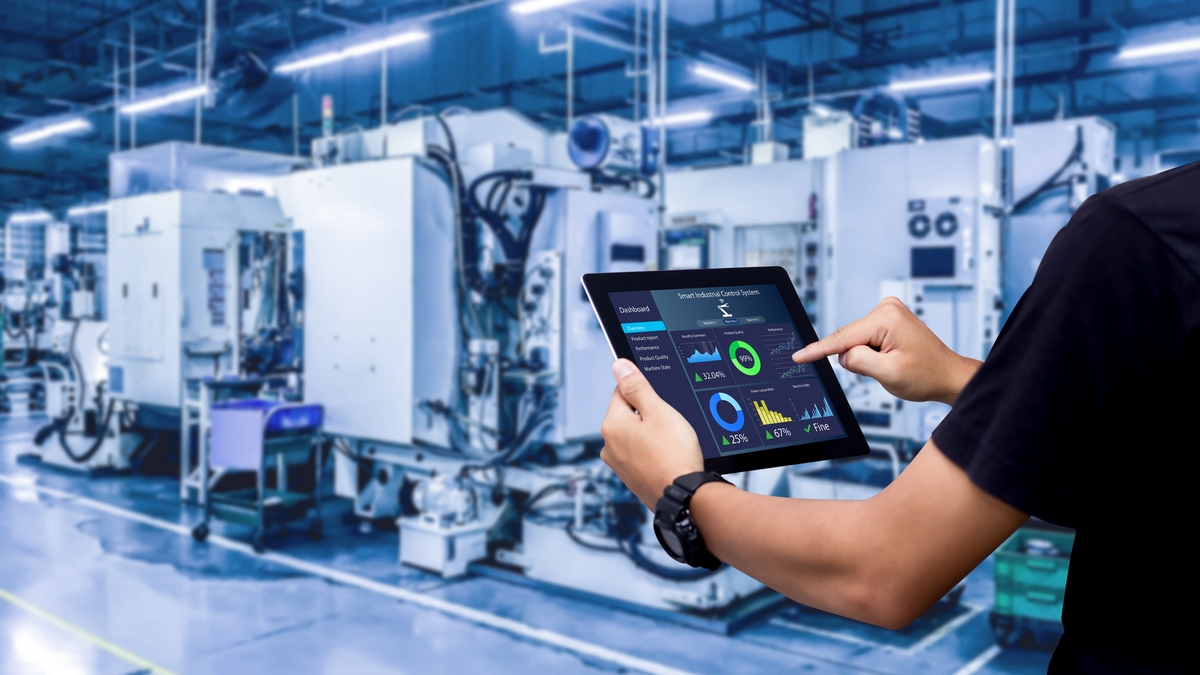
While large manufacturers often pioneer advanced automation, SMEs are finding ways to participate through modular systems, AI-powered monitoring, and cloud-based analytics. These scalable solutions enable smaller businesses to boost efficiency without requiring massive upfront investment.

Looking Ahead: Industry 4.0 and Beyond

The convergence of automation and sustainability is paving the way toward fully adaptive, data-driven manufacturing ecosystems. With Industry 4.0 principles guiding this transition, companies that embrace intelligent automation today will gain long-term advantages in productivity, flexibility, and environmental responsibility.

For readers seeking further insights into automation and sustainable metalworking practices, additional resources can be found on the website of Everising Bandsaw.

Published by Jan 22, 2026 Source: Everising

Further reading

You might also be interested in ...

Headline
Trend
rPET and Beyond: How Recycled Polyester Is Transforming the B2B Textile Supply Chain
Recycled polyester (rPET) is increasingly used in textiles as industries seek to reduce dependence on virgin petroleum-based materials.
Headline
Trend
How to Choose the Right Badge Holder for Your Organization: A 2026 Buyer's Guide
Three questions decide the right badge holder: where it’s worn, what it protects, and how many you need.
Headline
Trend
From 3D-Printed Metal to Turbine Rings: The Jobs Wire Cutting EDM Is Taking Over in 2027
Where conventional cutting stops and spark erosion starts
Headline
Trend
Coffee Costs Keep Climbing: How Cafés Are Building a High-Margin Tea Program with Commercial Tea Bags
With coffee prices near record highs, more cafés are turning to commercial tea bags to serve fresh iced tea, lattes and fruit teas quickly and consistently.
Headline
Trend
Mono-Material Fabrics Gain Ground as EU Textile EPR Puts a Price on Recyclability
The revised EU Waste Framework Directive makes every apparel producer pay for textile waste management, with fees adjusted for recyclability. That turns fibre blends, from a design choice, into a cost line.
Headline
Trend
Beyond Freight Rates: How the Hormuz Closure Is Reshaping Q4 2026 Sourcing
Seven months after the Strait of Hormuz effectively closed, the biggest effects on B2B sourcing are coming less from Gulf shipping routes themselves and more from fuel costs, port congestion and the price of plastics made from Middle East feedstock.
Headline
Trend
Popping Boba Moves From the Tea Shop to the Cocktail Bar
Boba cocktails have moved from social media novelty to chain restaurant menus and ready-to-drink test markets. Two product routes are emerging, alcohol-filled pearls and non-alcoholic pearls for mocktails, and they serve different buyers.
Headline
Trend
Industrial AI Is Moving Into CNC Machining—But What Is It Actually Doing?
Artificial intelligence is appearing more frequently in CNC controls, CAM software, inspection systems, and production monitoring tools.
Headline
Trend
From Standalone Automation to Connected Production: Linking Machines, Data, and Systems
For years, manufacturing automation often focused on individual tasks. A robot loaded a CNC machine.
Headline
Trend
Bubble Tea Flavor Trends: How Taro, Matcha, and Fruit Powders Create a More Distinctive Menu
A successful bubble tea menu needs more than a long list of flavors. New drinks have to stand out while still being practical to develop and prepare consistently.
Headline
Trend
The Forgotten Layer of Identity Security: Protecting Physical Credentials After Issuance
Why protecting employee badges, smart cards, and contactless credentials throughout their lifecycle is an essential part of modern identity security.
Headline
Trend
Wi-Fi 6E and Wi-Fi 7 RF Filter Requirements: Designing for 6 GHz Coexistence, Wide Channels, and Low Latency
Wi-Fi 6E and Wi-Fi 7 Raise the Bar for RF Filter Design
Agree