
Knowledge
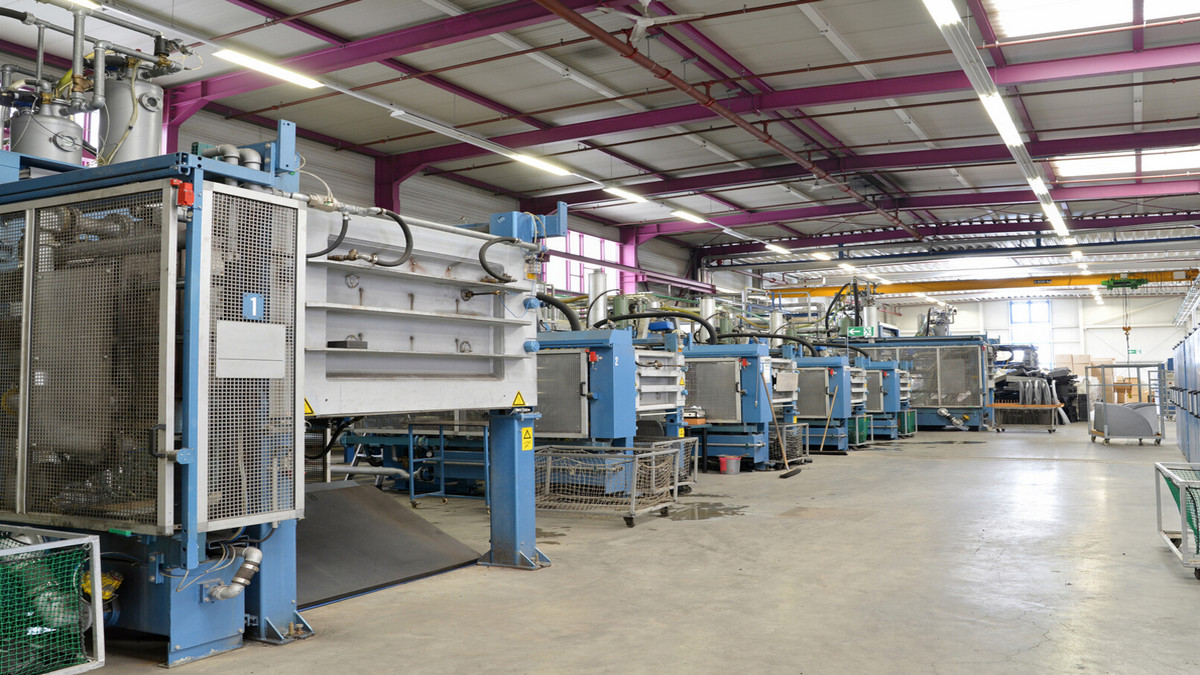
The rubber vulcanizer is the most widely used instrument in the rubber processing industry to control the quality of rubber materials, rapid inspection, and basic research on rubber. and parameters such as maximum and minimum torque.
2022-08-30 17:30:50
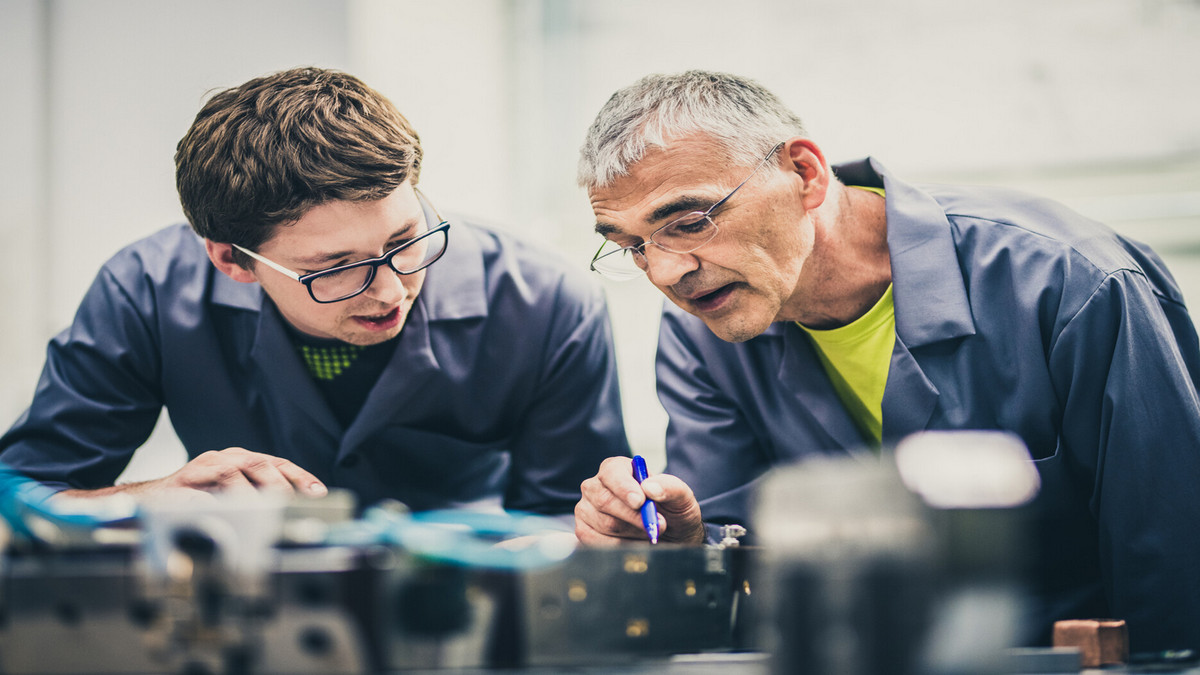
In addition to the use of hand tools, the processing of metal workpieces is mainly achieved by the machine tools, such as lathes, planers, milling machines, grinders, boring machines, drilling machines, etc. These machines have different performances to match the job requirements. In recent years, various industrial advanced countries have used machines to replace manpower, making the application of machine tools more extensive and important. Although the processing precision of milling machines and grinding machines is superior to that of planers, the price is more expensive than that of planers. Generally, planers are still used for many initial processing jobs in small and medium-sized factories. So, what exactly is a planer?
2022-08-30 15:34:06
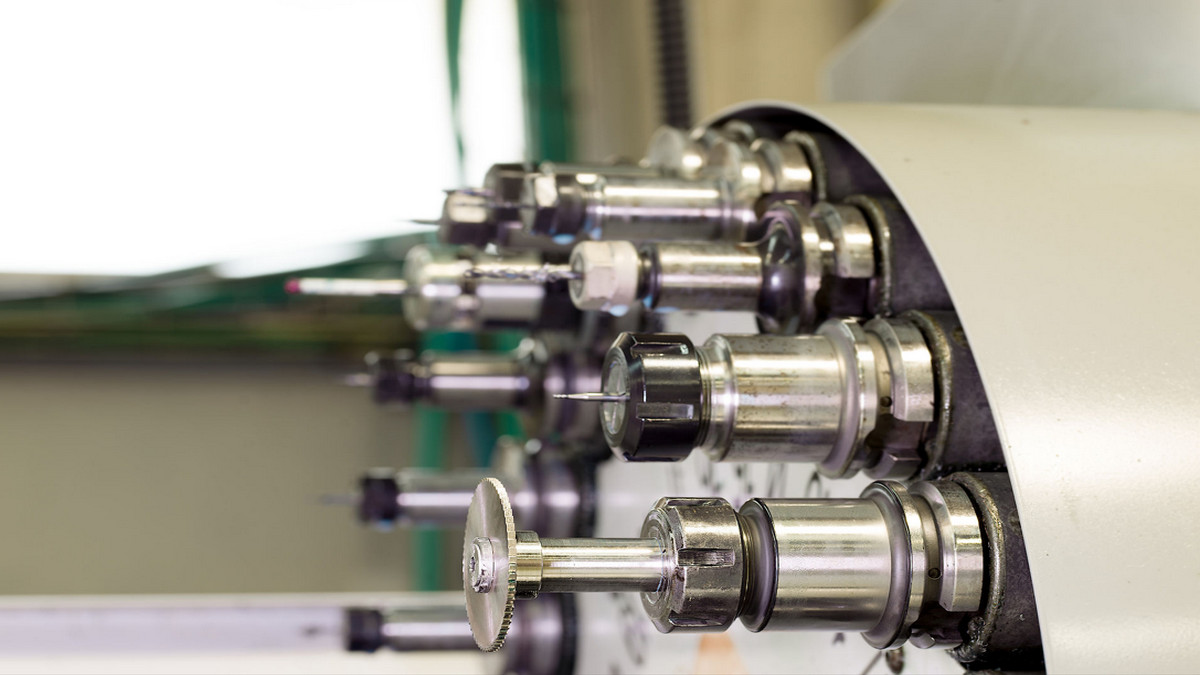
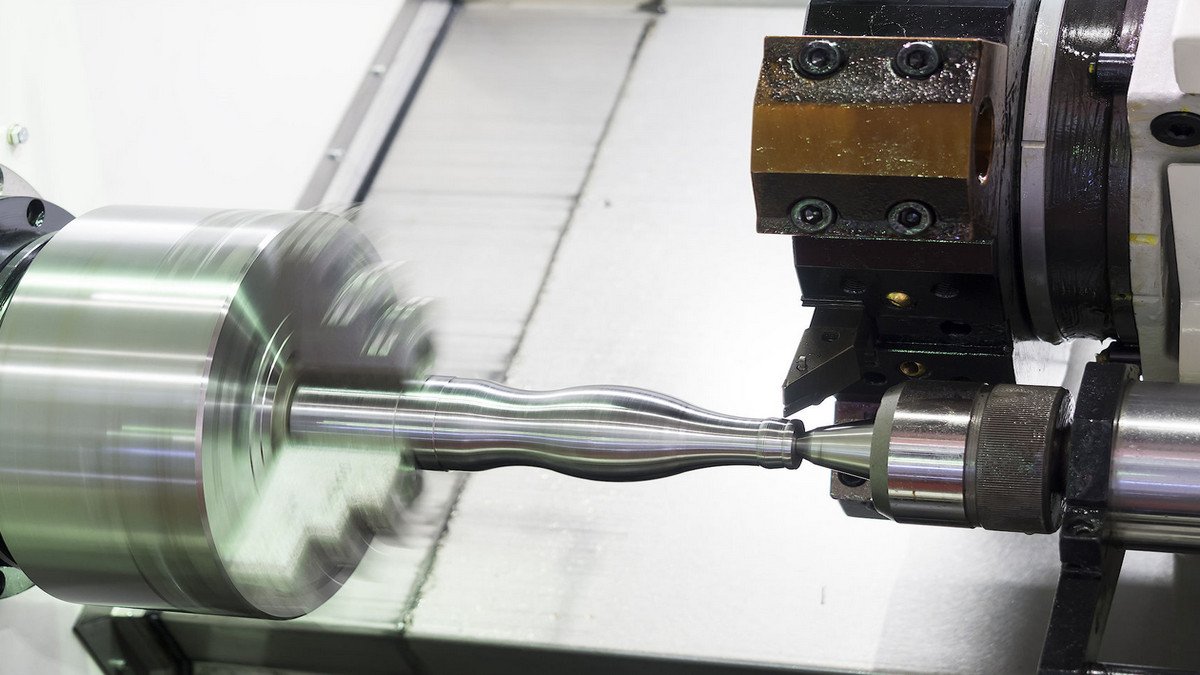
The turning process is to make the material reach the desired shape by removing the material, and its machining accuracy is high and there is no mold restriction. But the production cost is high and the processing speed is slow.
2022-08-30 13:09:15
The process of milling a plane at right angles to the axis of rotation of the tool.
2022-08-29 14:27:06
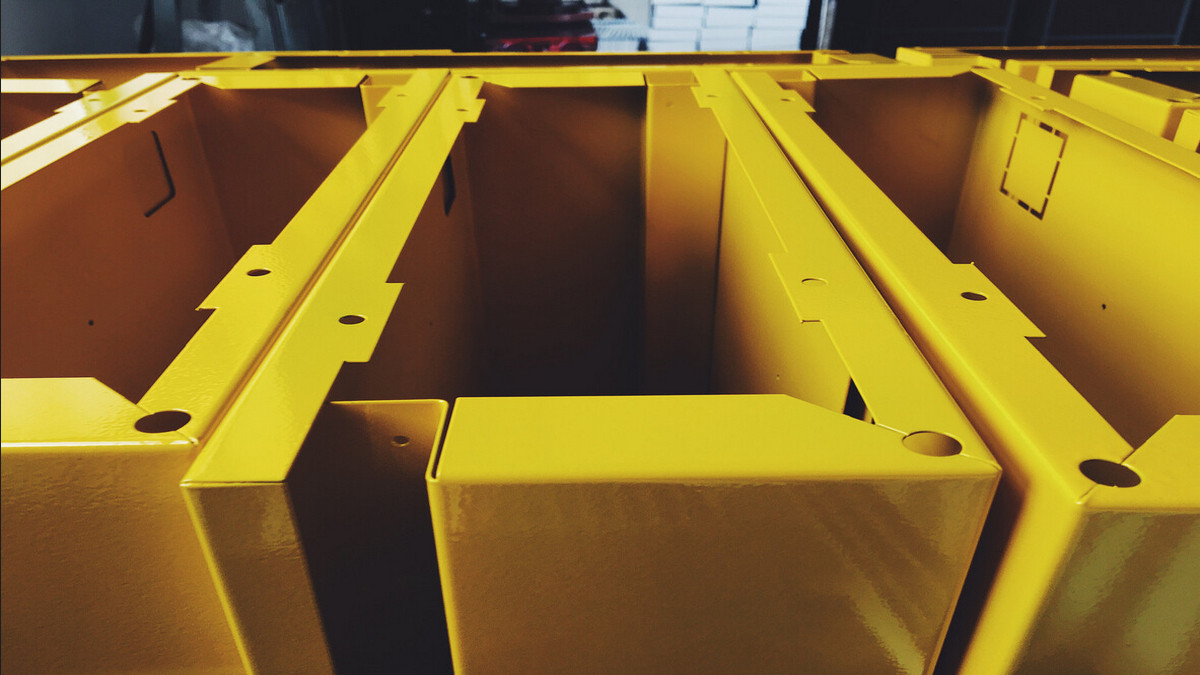
The metal surface is easy to rust and corrode in the natural state, which will cause excessive loss of metal products. At the same time, in order to meet the functional requirements of metal products such as brightness, wear resistance, and aesthetics, the coating on the metal surface plays a very important role. Surface treatment can improve product appearance, texture, function and other aspects of performance.
2022-08-25 16:23:53
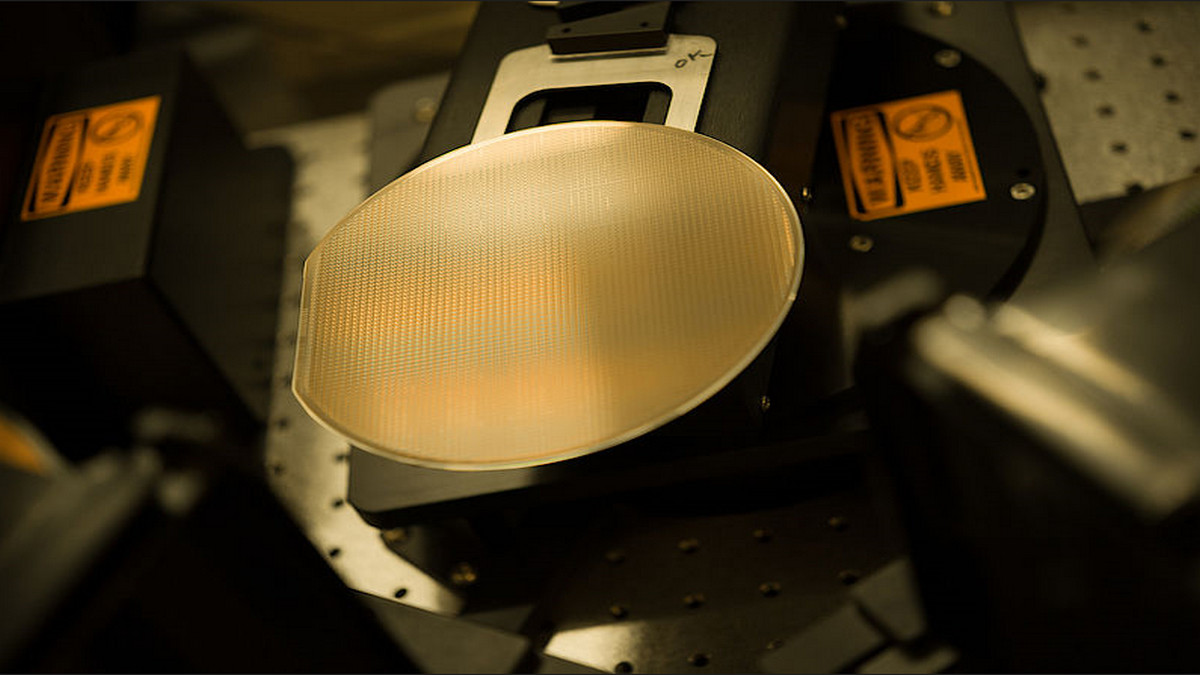
In the semiconductor news, wafers are always mentioned in terms of dimensions, such as 8-inch or 12-inch wafers, but what exactly is a so-called wafer? What does the 8 inches refer to? How difficult is it to produce large-sized wafers? The following is a step-by-step introduction to the most important foundation of semiconductors - what is a "wafer".
2022-08-25 16:16:18

Water transfer printing can also be called surface coating transfer. In terms of name, it is a technology that can be transferred on uneven objects or surfaces to achieve a beautifying surface treatment. Currently available in a wide range, such as automotive interior decorative panels, locomotive panels, glasses, electrical appliances, plastics, ceramics, metals, and many other surface treatments. The transfer principle is actually very simple. Put a patterned water-soluble resin transfer film on the water surface, use the pressure of the water and add some transfer solvent, so that the pattern to be transferred can be transferred by the pressure of the water. It covers the surface of the object to be transferred, and then achieves the effect of beautifying the surface. What is the difference between thermal transfer and water transfer?
2022-08-24 15:38:41
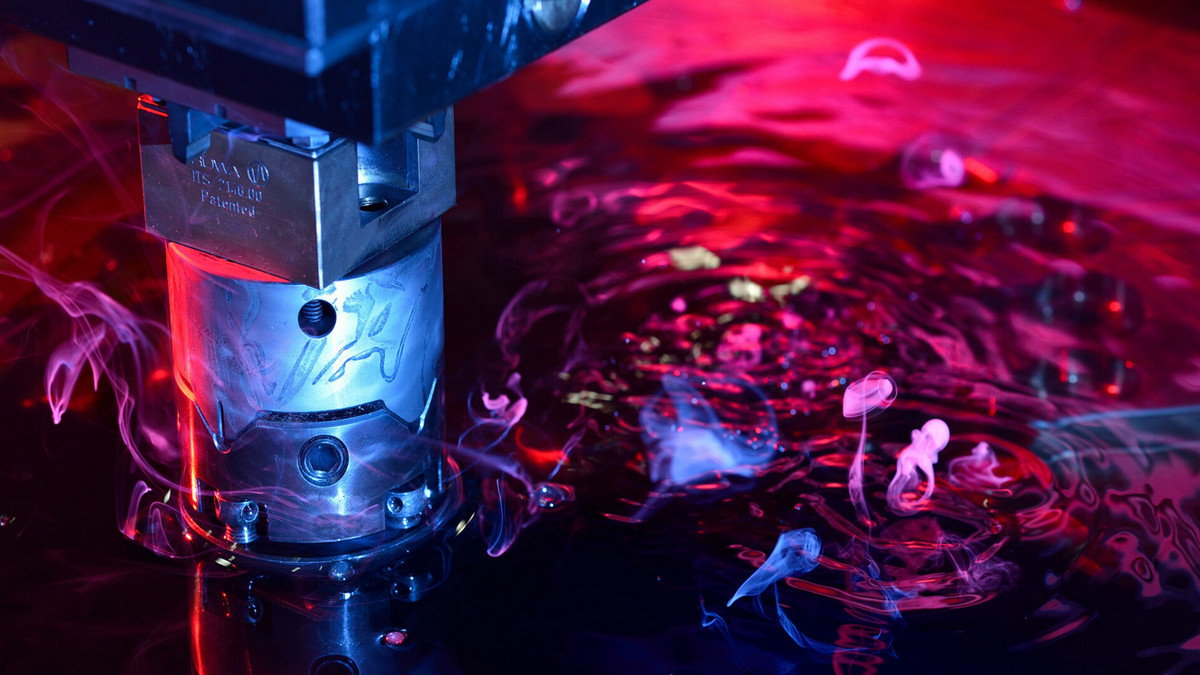
Electric discharge machining is a kind of special machining technology, which is widely used in mold manufacturing and machining industries. Electrical discharge machining can be used to machine superhard materials and workpieces with complex shapes that are difficult to machine with traditional cutting methods. It is usually used to machine materials that conduct electricity. It can machine complex materials such as titanium alloys, tool steels, carbon steels, and hard alloys. cavities or contours.
2022-08-23 17:09:35
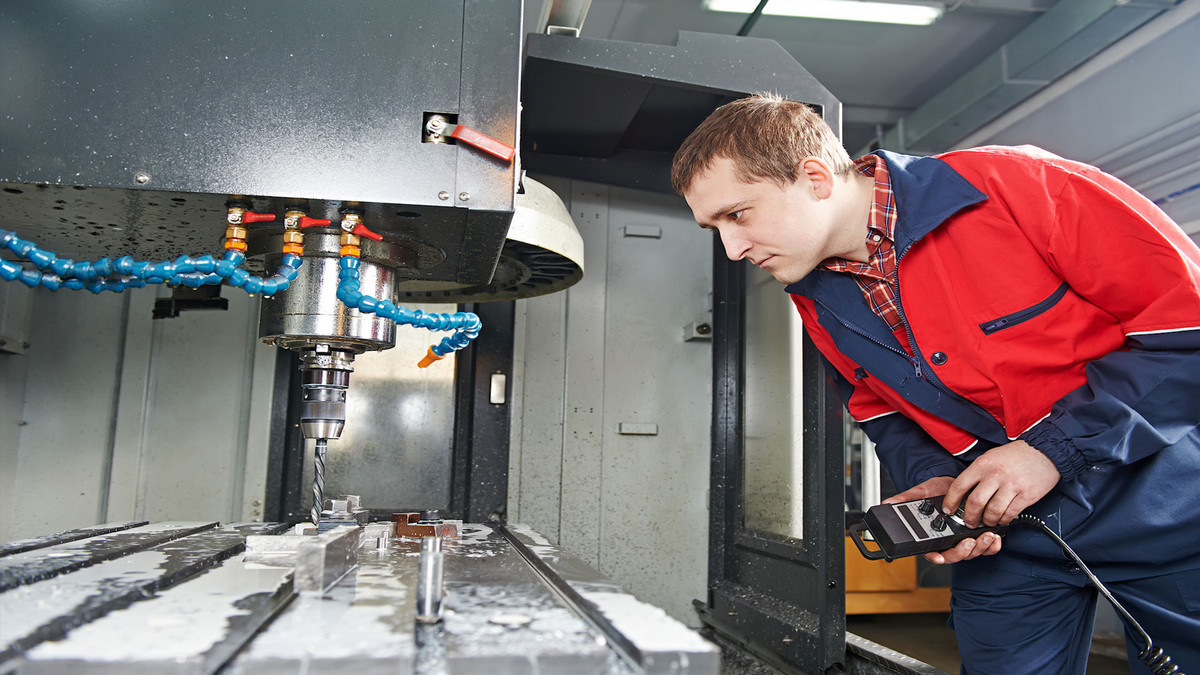
Work holding system with reduced setup time and process variability.
2022-08-22 09:17:46
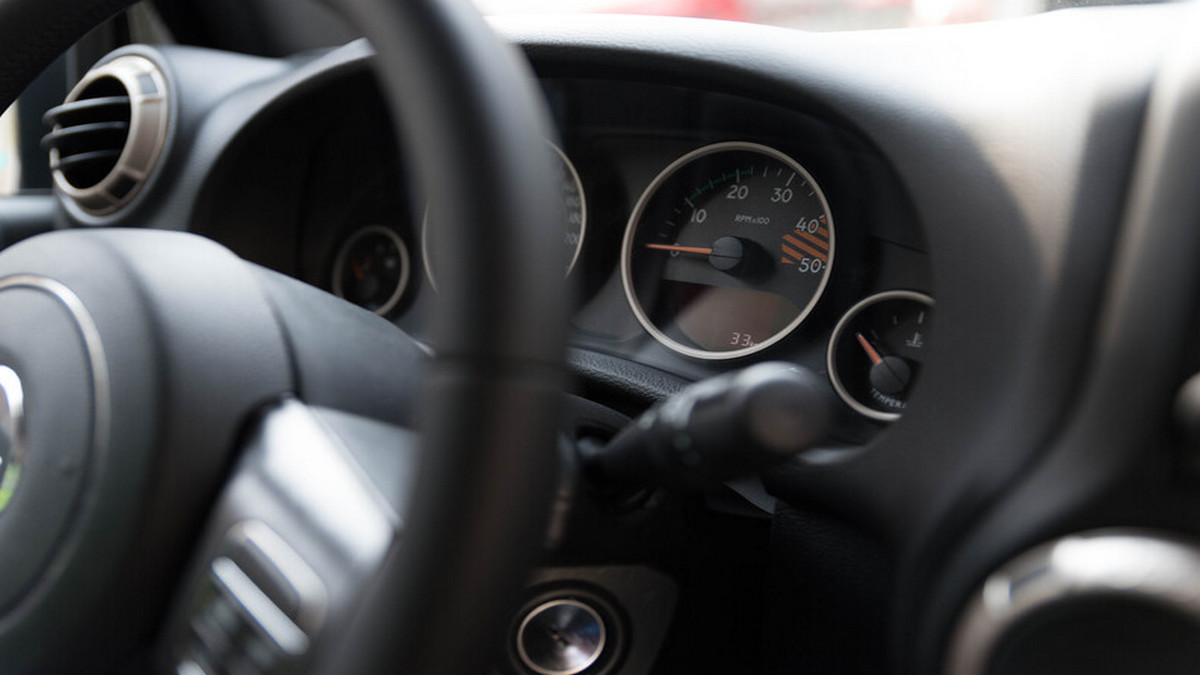
The quality of the engine's cooling system will affect the overall reliability of the vehicle and the length of the engine's life. Through the operation of various parts of the cooling system, the heat generated by combustion or friction inside the engine and gearbox will be taken away and released into the atmosphere.
2022-08-19 09:58:08
Hot Topic
Agree