
Knowledge
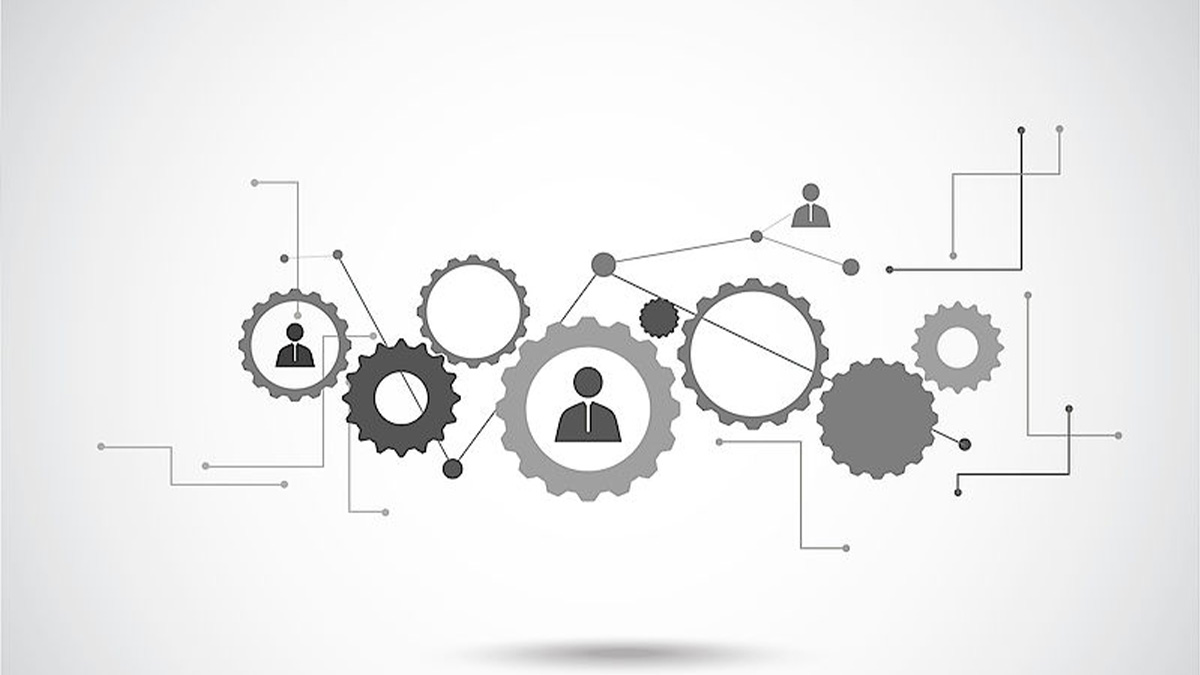
Smart machine tools originally referred to various stand-alone machines with auxiliary software functions, developed for machine tool factories to improve machine tool operating efficiency. In recent years, under the wave of Industry 4.0, smart machine tools have been given new definitions. Besides having enhanced auxiliary functions, smart machines need to complete production in coordination with all the equipment in the factory through the communication interface.
2021-08-19 13:36:33

"Cloud" refers to servers accessed through the Internet, as well as software and databases running on these servers. Cloud servers are in data centers around the world. By using cloud computing, users and companies do not need to manage physical servers or run software applications on their machines.
2021-08-18 22:44:29

Plastic products can be seen everywhere in daily life, and different plastic products are made through different processing techniques. Plastics manufacturing is the process of making plastic into semi-products or products with practical value. Plastics manufacturing usually includes primary processing and secondary processing of plastics.
2021-08-17 15:00:57

Plastic granulation technology is mainly used in plastic product manufacturing and resource recycling to make various plastic products or plastic raw materials, and has both environmental and economic benefits.
2021-08-12 13:14:53

Semiconductor supply chain include all kinds of semiconductor manufacturing and design industries, such as IC manufacturing, IC packaging and testing, IC design, and discrete component manufacturing.
2021-07-26 14:11:15

Information is an asset to an organization, as valuable as other important operating assets, so it needs to be properly protected continuously. Information security can protect information from various threats, ensure continued operations, minimize operating losses, and obtain a return on investment and business opportunities.
2021-07-22 10:32:11

The IT room is an indispensable data management center for all companies. It deos not only keep customer information and transaction records, but also provide application systems for employees to perform operations and maintain operations. It also keep important confidential company information. However, building a traditional IT computer room requires a lot of costs and spaces. Because technological breakthroughs and hyper converged architecture technology can help companies to simplify management processes and reduce construction and maintenance costs, it has become the mainstream IT architecture in the future.
2021-07-21 10:26:08

Water transfer printing technology (WTP) can be applied to various materials and objects through the technology of printing pictures and texts on planes and transferring three-dimensional curved surfaces through the application of water.
2021-07-19 13:54:56

With the continuous development of the downstream industry of linear actuator and the continuous expansion of linear actuator applications, the global demand for linear actuator has shown a rapid growth. In 2019, the global linear actuator market has exceeded 15 billion yuan.
2021-07-14 15:44:21
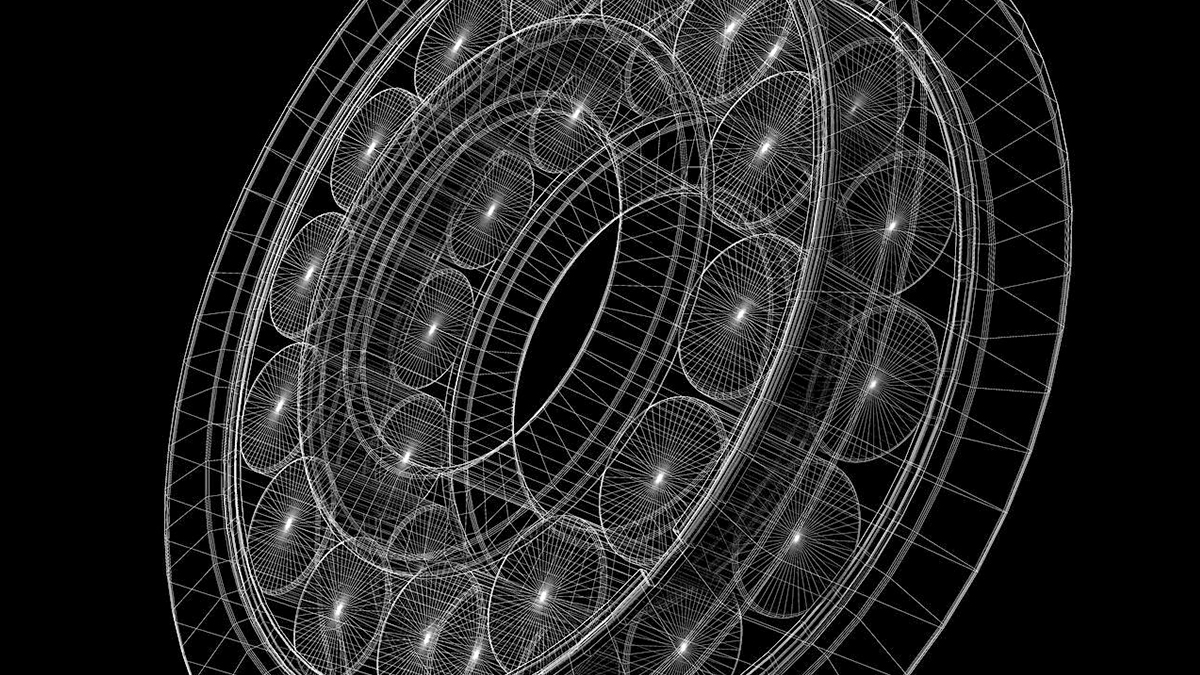
In recent years, the domestic and foreign medical and aerospace industries have developed vigorously, and the demands for related precision components have increased. Domestic and foreign manufacturers have invested in five-axis machining to improve manufacturing precision and provide high-stability and high-quality processed parts.
2021-07-13 13:23:44
Hot Topic
Agree