• Showing results for
  • Apparel & Clothing
Development Trends of Garment Manufacturing Industry
Market News
Development Trends of Garment Manufacturing Industry
The textile industry was a leading sector in Taiwan's early industrialization stage. The growth and achievements of the textile industry also led to the development of other industrial sectors. The garment manufacturing industries are downstream industries in the textile industry chain. Its upstream includes fiber manufacturing, chemical additives, spinning, weaving, dyeing and finishing, and other industries. The garment manufacturing industry are the processing stage in the industry chain. It is also an important industry that gives added value to textiles.
2021-07-13 16:09:45
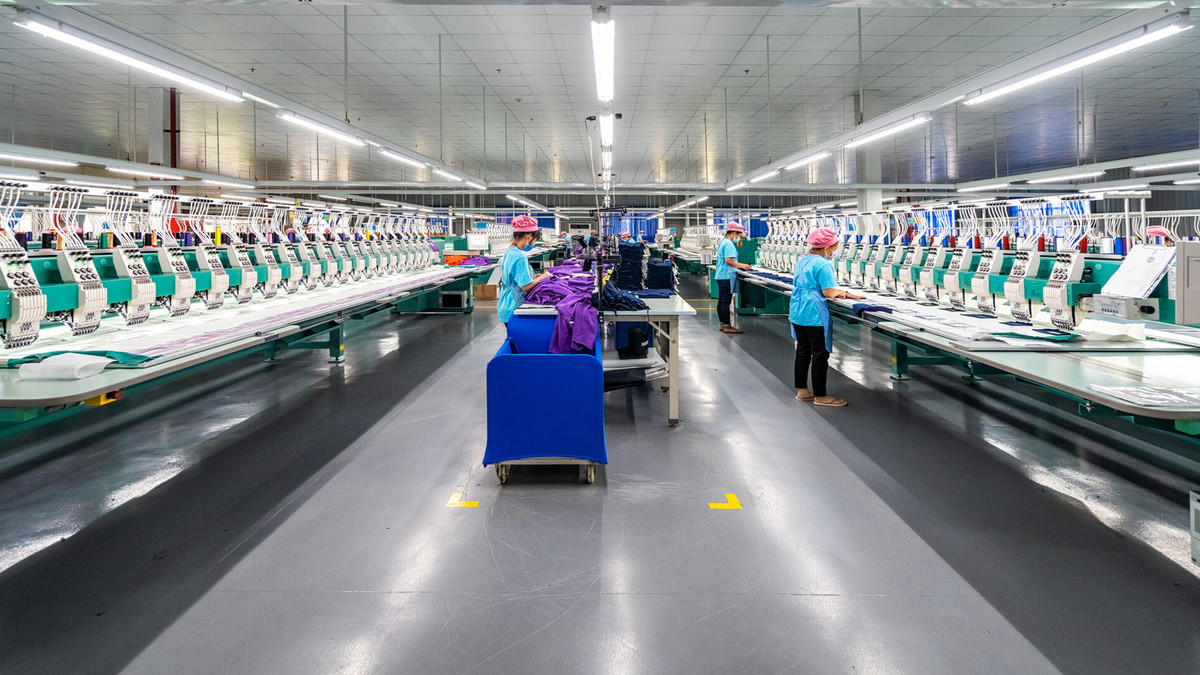
Industry Development of Garment and Apparel Manufacturing in Taiwan
Market News
Industry Development of Garment and Apparel Manufacturing in Taiwan
The textile industry was a leading sector in Taiwan's early industrialization stage. The growth and achievements of the textile industry also led to the development of other industrial sectors. The garment manufacturing industries are downstream industries in the textile industry chain. Its upstream includes fiber manufacturing, chemical additives, spinning, weaving, dyeing and finishing, and other industries. The garment manufacturing industry are the processing stage in the industry chain. It is also an important industry that gives added value to textiles.
2023-02-16 09:49:13
Eco-friendly Materials in Textiles: A Path Toward Sustainability
Trend
Eco-friendly Materials in Textiles: A Path Toward Sustainability
The global textile industry imposes a significant burden on the environment. According to statistics, the carbon emissions from the textile industry account for approximately 8–10% of global emissions, which is the combined total of the aviation and shipping industries. The annual water usage reaches 93 billion cubic meters, enough to supply drinking water for 5 million people for a year. The dyeing and finishing process causes about 20% of industrial wastewater pollution. Additionally, the total volume of clothing waste amounts to 92 million tons, of which 87% is incinerated or buried. Against this backdrop, the shift of the textile industry toward eco-friendly and sustainable materials has become urgent. This not only helps reduce resource consumption, wastewater, and carbon emissions, but also promotes the circular economy and supply chain transparency, ending the industry's high-consumption mode that harms the planet.
2025-08-04 12:02:49
EU Rules and Taiwan’s Textile Sustainability Shift
Trend
EU Rules and Taiwan’s Textile Sustainability Shift
In recent years, the European Union has introduced a series of new regulations on sustainability and the circular economy, with the textile industry being one of the key areas under scrutiny. These regulations not only change how products are designed and manufactured, but also reshape collaboration models across global supply chains. For Taiwan’s export-oriented textile sector, this means accelerating the pace of sustainable transformation in order to remain competitive in the European market—while turning challenges into opportunities for brand and technological upgrades.
2025-08-12 15:28:21
The Birth of a Fabric: The Science and Craft of Textiles
Knowledge
The Birth of a Fabric: The Science and Craft of Textiles
Although fabric may seem like an ordinary item in our daily lives, its creation involves complex and highly precise processes. From cotton grown in the fields to synthetic fibers produced in factories, each raw material carries unique properties and purposes. Whether it’s the light, airy touch of a shirt or the high protective performance of medical textiles, behind it lies a production chain that spans agriculture, chemistry, and engineering.
2025-08-13 14:54:34
How to Judge Fabric Quality: Key Evaluation Methods for Density, Handle, and Color Fastness
Knowledge
How to Judge Fabric Quality: Key Evaluation Methods for Density, Handle, and Color Fastness
Fabric quality not only determines the appearance of clothing but also affects durability, comfort, and wearing experience. For consumers, good fabric reduces issues such as pilling, deformation, or fading. For fashion brands and buyers, consistency in fabric quality directly impacts product reviews and return rates. The lifespan of a garment often depends on choosing the right fabric from the very start.
2025-08-21 14:51:08
U.S.–China Trade War and the Russia–Ukraine Conflict: Challenges and Adjustments in the Textile Raw Material Supply Chain
Market News
U.S.–China Trade War and the Russia–Ukraine Conflict: Challenges and Adjustments in the Textile Raw Material Supply Chain
The textile industry has always been one of the most globalized sectors, with raw materials often crossing multiple borders before reaching the apparel market. However, in recent years, growing geopolitical uncertainties—most notably the U.S.–China trade war and the Russia–Ukraine conflict—have created unprecedented challenges for textile supply chains. Trade frictions between the U.S. and China have restricted exports of cotton and fabrics, forcing brands to reassess sourcing strategies. Meanwhile, the Russia–Ukraine war has driven up energy and chemical raw material prices, indirectly raising costs for synthetic fibers such as polyester and nylon. Together, these factors are pushing the global textile industry to rethink supply chain resilience and its future trajectory.
2025-08-21 16:03:11
Agree