Acelon to Present Sustainable and Functional Yarn Solutions at TITAS 2026
At TITAS 2026 in Taipei, Acelon will present recycled, dope-dyed, bio-based, and functional yarn solutions for apparel, outdoor, and technical textile development.
Acelon Chemicals & Fiber Corporation will participate in the 30th Taipei Innovative Textile Application Show (TITAS 2026), taking place from October 6 to 8 at Taipei Nangang Exhibition Center, Hall 1. At Booth I0608, Acelon will meet with global textile brands, mills, and material developers to discuss sustainable and functional yarn solutions for diverse textile applications.
Sustainable Fiber Development at TITAS 2026
For today’s textile industry, yarn selection involves more than color, handfeel, and physical performance. Brands and manufacturers are increasingly evaluating recycled content, production processes, application requirements, and long-term material value at the earliest stages of product development.
At TITAS 2026, Acelon will present yarn solutions that respond to these changing expectations. Its portfolio brings together sustainable materials and functional yarn technologies for apparel, outdoor products, home textiles, and industrial applications.
Recycled and Low-Impact Yarn Options
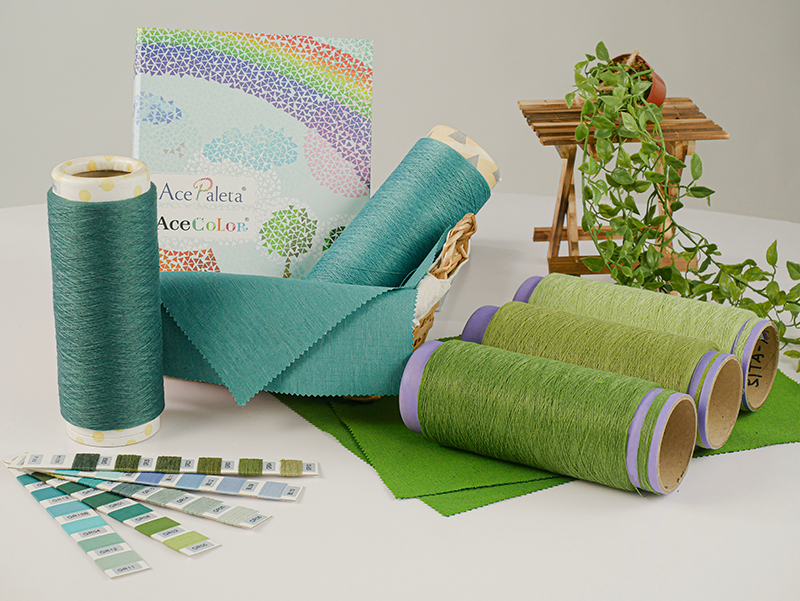
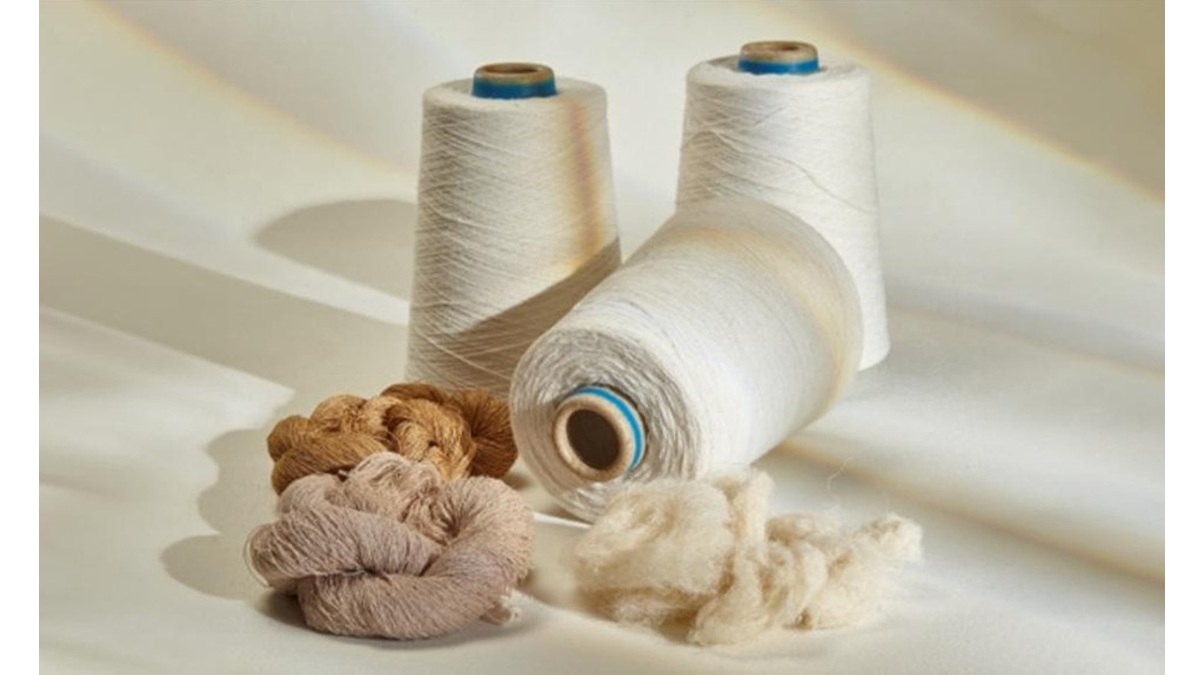
Acelon’s sustainable yarn portfolio includes recycled polyester yarn, recycled nylon yarn, bio-based nylon yarn, and dope-dyed color yarn. These options provide textile developers with more flexibility when creating products that require both material performance and a lower environmental impact.
Among the solutions available for discussion is AceColor®ECO recycled PET dope-dyed yarn. Made with post-consumer recycled PET bottles, this yarn combines recycled material with dope-dyeing technology, helping reduce reliance on conventional downstream dyeing processes while delivering consistent color performance.
Acelon also offers AceEco™ recycled polyester and recycled nylon yarns, as well as bio-based nylon solutions, for customers seeking to incorporate recycled or renewable material options into their textile developments.
Functional Yarns for Application-Driven Textiles
In addition to sustainable material choices, Acelon’s TITAS product portfolio includes functional yarns developed for specific textile requirements. These include anti-static PET yarn, mist-free nylon yarn, nylon flex yarn, nylon linen-like yarn, recycled high-tenacity nylon yarn, and PET flame-retardant yarn.
These yarn solutions are relevant to applications where comfort, appearance, durability, protection, or specialized textile performance is important. They can support product development discussions for activewear, outdoor apparel, protective textiles, bags and luggage, home furnishings, and industrial textiles.
By combining functional performance with sustainable material options, Acelon aims to help textile customers explore more practical paths from yarn specification to finished-product development.
From Material Specification to Collaboration
TITAS provides a meeting point for brands, manufacturers, and material suppliers across the textile value chain. For Acelon, the exhibition is an opportunity to share its latest yarn developments, exchange market insights, and discuss application-specific requirements with international partners.
Visitors to Booth I0608 can speak with Acelon’s team about material selection, available yarn types, product specifications, and development opportunities for future textile projects.
Meet Acelon at TITAS 2026
Event: Taipei Innovative Textile Application Show (TITAS 2026)
Acelon looks forward to connecting with textile professionals at TITAS 2026 and exploring new possibilities for sustainable and functional textile development.
Custom sheet metal cabinets require more than fabrication. This article outlines Machan’s disclosed development process, including requirement definition, feasibility assessment, structural development, drawing review, prototyping, pilot production, integrated manufacturing, coating, inspection, and production transition in Taiwan.
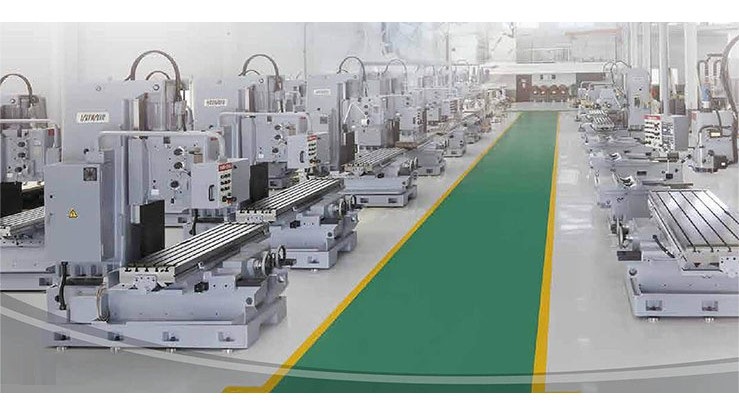
Taiwan's Chung Sing Machinery has been building FORTWORTH-brand boring and milling machines since 1988. For buyers of 12- to 25-tonne machine tools, the purchase decision rests less on the headline spec sheet and more on how the machine was made. Here is what that process looks like.
In modern lubricant manufacturing, handling multiple viscosities and container sizes requires more than just a fast machine. This guide breaks down how to evaluate filling equipment based on viscosity stability, changeover efficiency, and full-line workflow integration to ensure long-term operational success and reduce reliance on manual adjustments.
Taiwan-based industrial computing provider's 2026 announcements show a portfolio strategy built around heterogeneous compute, rugged systems, and deployment-specific integration.
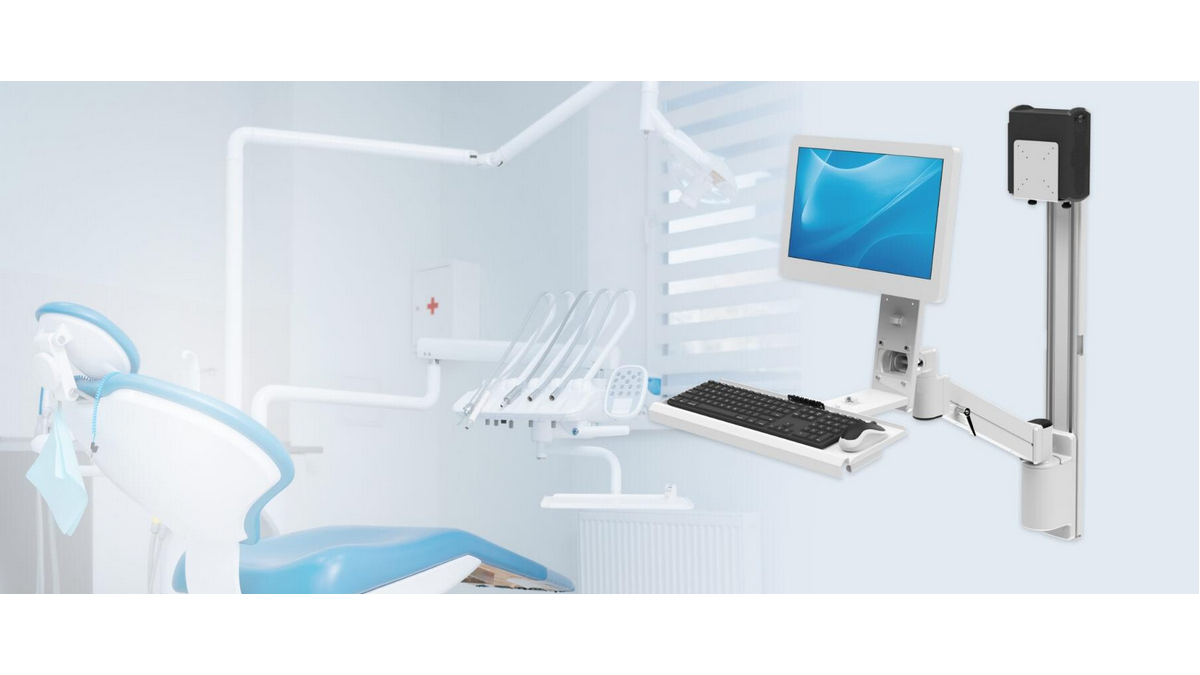
A deep dive into how purpose-built arms, carts, and workstations are reshaping clinical environments — and why one Taiwanese manufacturer is quietly leading the charge.
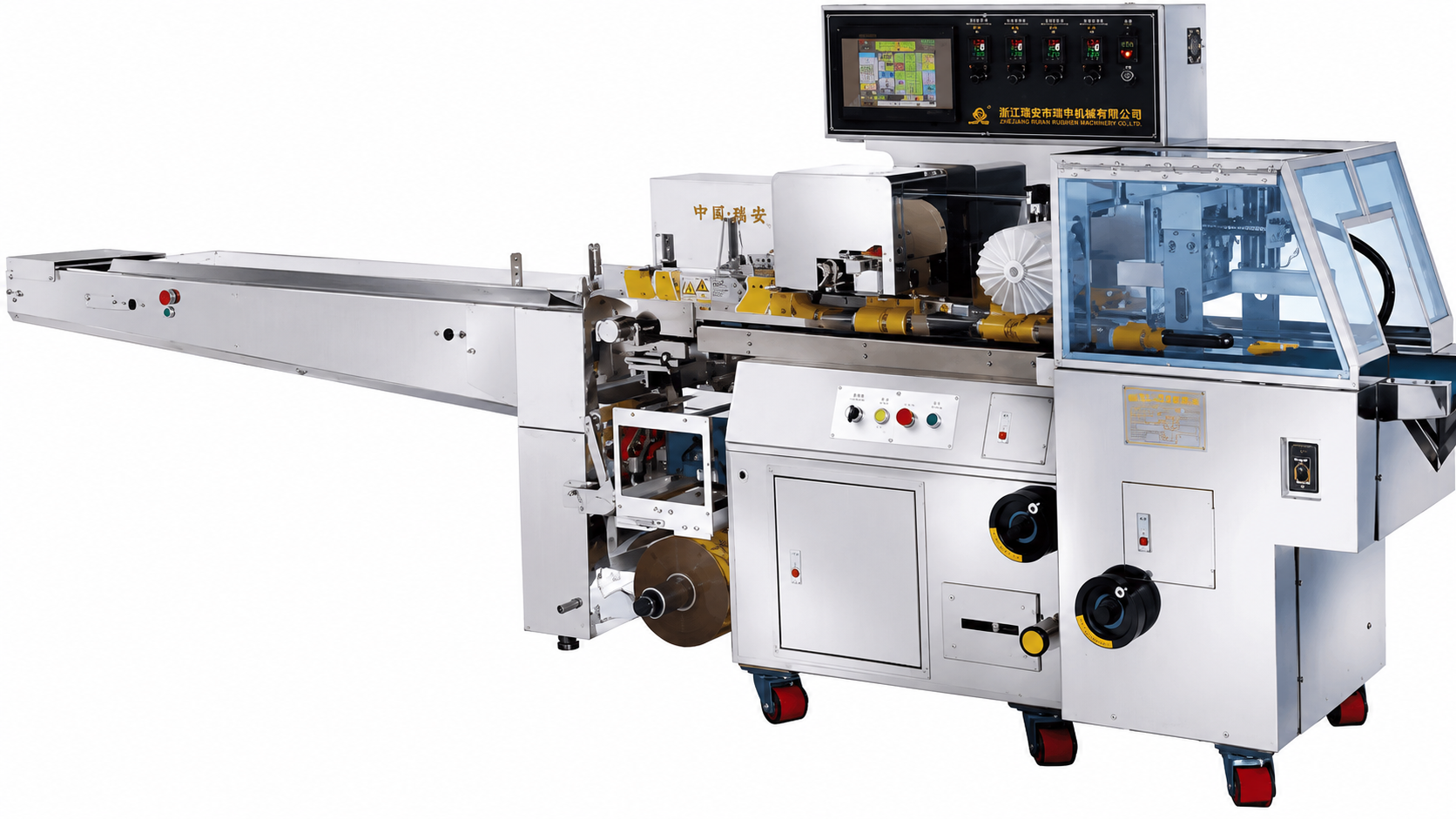
In fresh produce retail, packaging is not simply the final step before products reach store shelves. It directly affects freshness, appearance, handling efficiency, and how confidently consumers choose what they buy. For supermarkets and produce packing operations, the challenge is clear: how can fresh vegetables be packed faster and more consistently without sacrificing quality? This was the practical issue facing TAWA Supermarket in California. With more than 60 supermarket locations across the region, TAWA relies on a central market operation to select fresh vegetables from nearby farms and prepare them for retail distribution. To support this high-volume workflow, TAWA needed a packaging solution that could protect produce quality, improve operating efficiency, and keep up with growing output demand. This case shows how Tai Dragon Machinery Co., Ltd. helped address those needs through its vegetable packing machines and labeling solutions.