With the development of weapons, machinery, and chemical industries, pneumatic tools have been widely used and developed.
What is the pneumatic tool market?
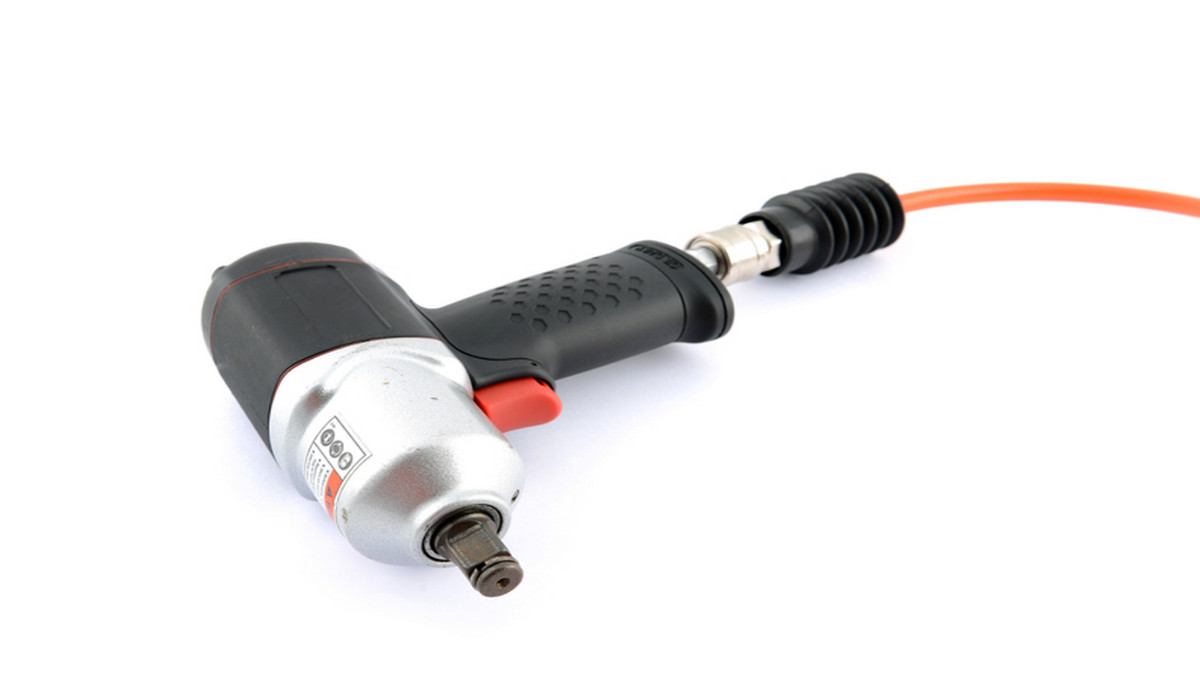
Pneumatic tools are powered by compressed air, and the power of the air is provided by an air compressor. The force of air pressure on the pneumatic pump allows the tool to work continuously. The tool is connected to the compressor by an air tube.
Pneumatic tools can be used for several hours without stopping and have a longer life than other types of tools. Because pneumatic tools have the advantages of being corrosion resistance, require low maintenance, have a compact design and long service life, they are widely recognized in the global market. They come with various sizes and other specifications to choose from. There are also pneumatic tools that are powered by compressed carbon dioxide, supplied in compact containers or cylinders.
Steady growth in the global market
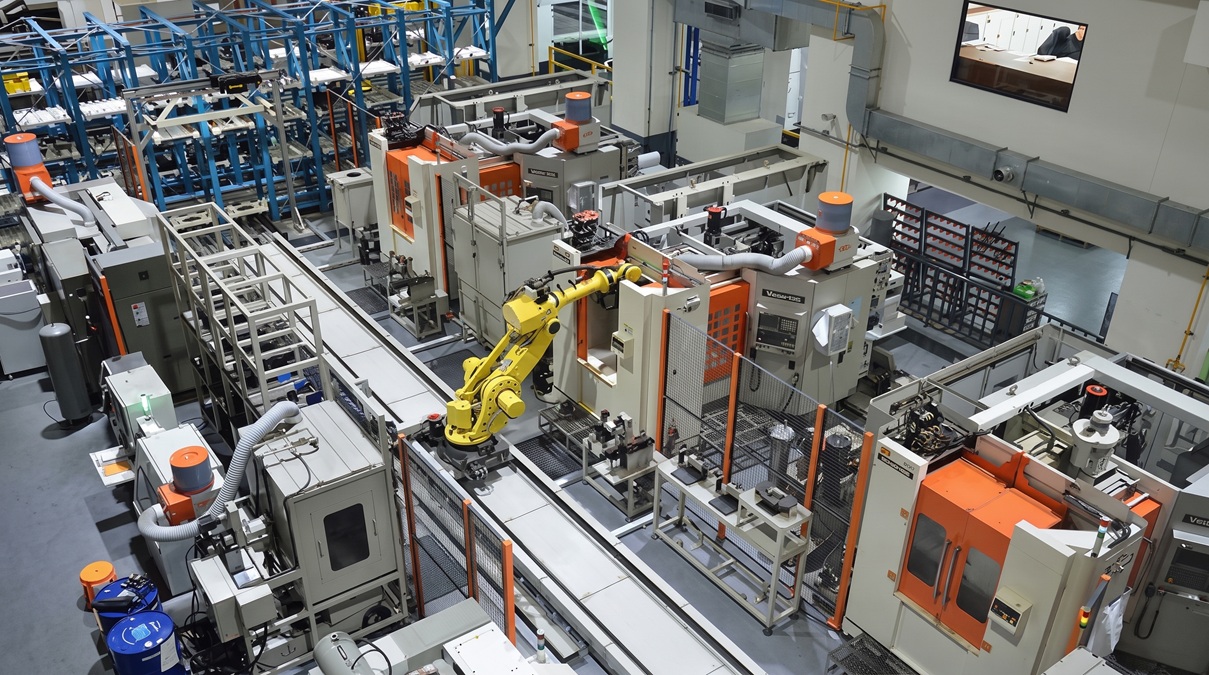
Due to the increase in the number of manufacturing, automobile industry, and construction activities, the demand for pneumatic tools continues to increase. Pneumatic tools are powered by compressed air, which is very useful in manufacturing, automotive, and construction activities in developed and developing countries. Pneumatic tools are more useful than electric tools because they do not have a motor, so they will not be overloaded and overheated, and they do not require any specific maintenance. The increasing industrialization will lead to the demand for pneumatic tools, which is expected to promote the development of the pneumatic tool market in the next few years. In addition, the increasing demand for pneumatic tools in the industrial and residential sectors is expected to drive the growth of the pneumatic tools market.
After years of development, with the continuous development of the downstream demand market for pneumatic tools, the scale of application of pneumatic tools in the automotive industry, manufacturing industry, and various construction industries continues to increase. In addition to industrial applications, the demand for pneumatic tools in the market for DIY tools and special tools is also growing.
In recent years, the global power tool market demand has continued to increase, among which the market size of electric tools and pneumatic tools has shown a growth trend. According to data, from 2016 to 2019, the global power tool market has increased year by year. In 2020, due to the impact of the epidemic, the global power tool market saw a decline. At present, electric tools account for about 73% of the global power tool market, and pneumatic tools account for about 16%. In 2019, the global pneumatic tool market size was approximately US$36 billion. In 2020, the global pneumatic tool market size declined slightly to US$35.7 billion due to the epidemic.
Three major markets in the Asia Pacific, Europe, and North America:
The Asia-Pacific region accounted for 36% of the pneumatic tools market in 2019 and has become the world's largest pneumatic tools market. Due to the booming automobile industry in regions such as India and China, the compound annual growth rate in this region is expected to be the highest during the forecast period. The increase in disposable income and the increase in construction and infrastructure development activities are the main factors affecting the growth of the regional market.
The European market is dominated by Germany and the United Kingdom. Europe is expected to achieve healthy growth under the leadership of Germany and the United Kingdom. The emergence of manufacturing plants and production plants in many regions of the European Union is also driving the market growth. North America is an important component of the pneumatic tools market, and its revenue share in 2019 was 27.3%. The growing infrastructure development and industrial development in North America are driving the demand for power tools. In addition, North America uses a large number of DIY pneumatic tools, which reduces labor expenditures and promotes regional growth.
As the first region in the world to study pneumatic tools, Europe has a long history of development in the field of pneumatic tools, and the overall development is relatively mature. The wide range of pneumatic tool products and the ever-expanding range of applications have laid a good foundation for the development of pneumatic tools in Europe. Basically, in recent years, the size of the European pneumatic tools market has maintained steady growth. In 2019, the size of the European pneumatic tools market was approximately US$9 billion. In 2020, affected by the COVID-19 epidemic, the size of the European pneumatic tool market has fallen to US$8.8 billion.
Compared with Europe and the United States, the Asia-Pacific region has a late start in the development of pneumatic tools. However, in recent years, with the rapid increase in demand in emerging markets such as China and India, the pneumatic tool market in the Asia-Pacific region has gradually replaced the European and American markets, becoming the world's largest pneumatic tools market. In 2019, the size of the pneumatic tools market in the Asia-Pacific region was approximately US$12.6 billion. In 2020, affected by the COVID-19 epidemic, the size of the pneumatic tool market in the Asia-Pacific region has fallen to US$12.5 billion.
Pneumatic tool industry characteristics: high industry concentration
Pneumatic tools originated in Western countries. Leading hardware tool companies in Europe and North America have a long history of development. They have obvious advantages in the field of pneumatic tools. Leading companies continue to expand their markets with their advantages in technology research and development and large-scale production, and their market share continues to increase. At present, Stanley Black & Decker, Atlas Copco, and other leading hardware tool companies occupy a large share of the global pneumatic tool market, and the global pneumatic tool industry has a relatively high concentration. In 2019, the total market share of the top five global pneumatic tool companies accounted for 60.62%.
The division of the pneumatic tool market
- The pneumatic tools market can be segmented based on the following factors:
According to the type, the pneumatic tool market can be subdivided into pneumatic wrenches, pneumatic sanders, pneumatic hammers, pneumatic drills, pneumatic polishers, pneumatic grinders, and other pneumatic tools.
- According to the application, the pneumatic tool market can be divided into industrial, residential or domestic, and other applications.
- According to the end-user, the pneumatic tool market can be divided into automobiles, textiles, defense, mining, chemicals, manufacturing, construction, electronic products, electronic communications, etc.
The leading hardware tool companies such as Atlas Copco occupy a large share of the global pneumatic tool market, and the global pneumatic tool industry has a relatively high concentration. In 2019, the total market share of the top five global pneumatic tool companies was 60.62%.
Factors influencing the pneumatic tool market:
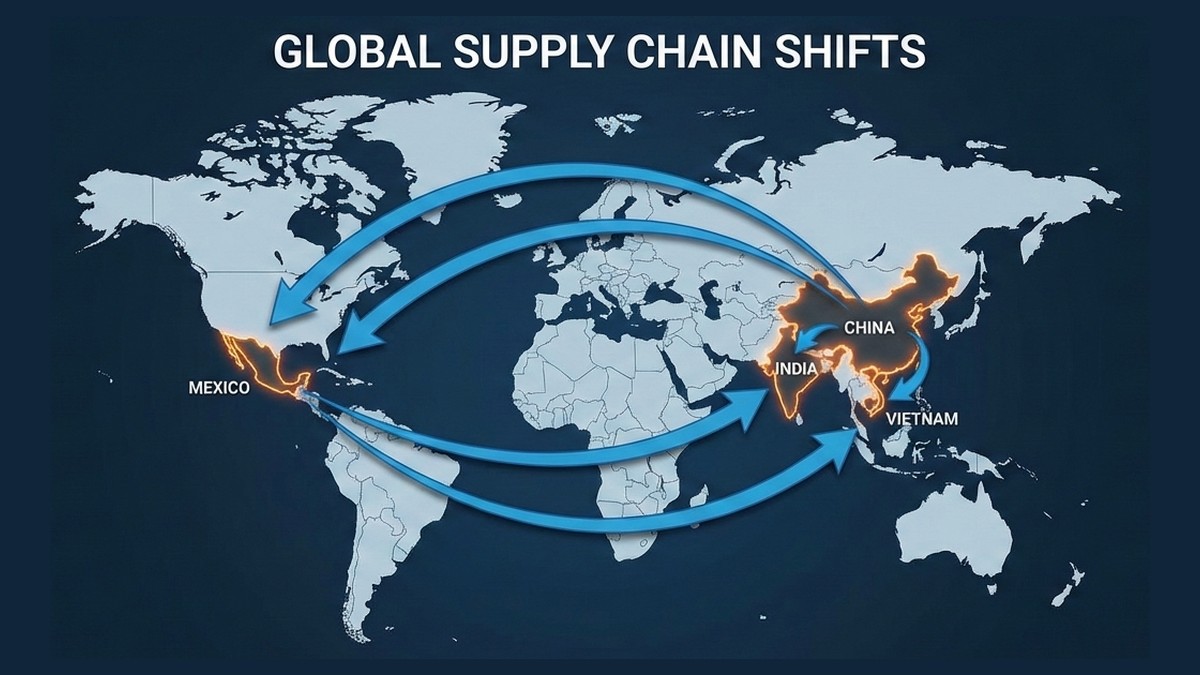
The slowdown in the growth of the pneumatic tool market is affected by the COVID 19 epidemic. Wuhan, China has always been a traditional manufacturing base for various industries. It is also a field of modern industrial transformation, referring to photoelectric technology, automobile manufacturing, steel manufacturing. Various industries affect the tool market, such as automotive, aerospace, shipbuilding, energy, and construction. 20% of the global manufacturing trade in intermediate products comes from China. The severe impact of the epidemic has caused the suspension or disconnection of the production and supply chain, paralyzing global economic activities. Factory activities in most parts of Asia have decreased, and the volume of trade in the import and export economy of countries has also been affected.
Drivers of the pneumatic tools market:
Emerging economies expand construction and manufacturing to promote growth. The rapid expansion of the construction industry is a major factor affecting the growth of the global market. Major players are making corded and cordless tools so that construction workers can use them in a variety of applications. Among corded and cordless tools, cordless tools are mainly used in the construction industry. Small and medium-sized manufacturing companies often use these tools in various production links to provide customers with the flexibility and capabilities of efficient solutions, and continue to develop efficient products to create market growth.
Limiting factors of the pneumatic tools market:
Fluctuations in raw material prices hinder market growth, and the growth of the market size of power tools comes from the huge demand of industrialized countries, such as the United States, the United Kingdom, Japan, China, and India. However, raw material price fluctuations are an important factor affecting the market growth. Usually, these tools are made of materials such as steel, metal, and aluminum, and these materials are usually imported from other countries, and price fluctuations mainly depend on the increase in the exchange rate and market fluctuations. Therefore, raw material price fluctuations are the main factor hindering the market growth.