The cutting bed in the textile and garment industry is rapidly popularized, the automation penetration rate of sewing equipment continues to increase, the acceptance of template machines is improved, and the textile and garment industry continues to move abroad.
Introduction to the Industry Chain of the Sewing Machinery Industry:
The main products of the sewing machinery industry are sewing machines. The upstream is raw materials such as motors, electronic controls, and pig iron, and the downstream is textile and clothing, shoes and hats, toys, and other industries.
Sewing machines are the upstream basic equipment for textiles and garments:
The sewing machinery industry is an equipment manufacturing industry that mainly produces sewing machines. The process can be divided into pre-sewing equipment, sewing equipment, and post-sewing equipment. The sewing machinery industry is a professional equipment manufacturing industry that mainly produces sewing machines, supplemented by cutting, ironing, and gluing machines. Classified according to the sewing process, sewing equipment mainly includes pre-sewing equipment, sewing equipment, and post-sewing equipment. Pre-sewing equipment mainly includes cutting machines, cloth spreaders, and other processing equipment used for cutting and spreading fabrics and other pre-sewing processes; in-sewing equipment mainly includes lockstitch machines, overlock sewing machines, interlock sewing machines, special machines, etc. Processing equipment for sewing processes. Sewing equipment includes ironing, packaging equipment, and other mechanical equipment used for ironing, packaging, and other subsequent processes of garment production.
The upstream of the sewing machinery industry is the suppliers of parts and raw materials, and the downstream is the textile and garment industries:
The upstream of the sewing machinery industry is mainly suppliers of core components and raw materials such as pig iron. The supply system is becoming more and more mature, but there is still a certain gap with the international advanced level in terms of process technology, product quality, and brand reputation. The midstream is dedicated and household sewing machinery. The textile and garment industry are the most important downstream industry. In addition, the subdivided fields such as luggage, leather, and toys are the main downstream customers of the sewing machinery industry products.
The sewing machine is one of the most basic mechanical equipment in the garment industry. Traditional sewing machines have high technical maturity, strong accessories versatility, and relatively low assembly requirements:
Sewing machines are the most basic equipment in the sewing machinery industry and are widely used in the field of textiles and garments. Taiwan's current sewing machine production technology has a relatively high maturity. Since complete machine companies can easily obtain various accessories from the market, and can also achieve efficient and economical entrusted processing, the threshold for entering the sewing machine complete machine industry is relatively low.
The Rise of the Taiwanese Sewing Equipment Industry:
The transfer of Taiwan's sewing industry to form cluster benefits:
As the level of economic consumption began to increase substantially, Taiwan's sewing equipment industry rose, and the clothing industry developed rapidly, which in turn led to the prosperity of the sewing equipment industry. By the 1990s, Taiwan had become one of the regions that produced and exported the largest number of sewing machines in the world. Taiwan's sewing equipment technology level and product quality are between Japan and Germany, and China and the price is attractive. With the advantages of product quality and price, Taiwan's sewing machines will soon open to the international market.
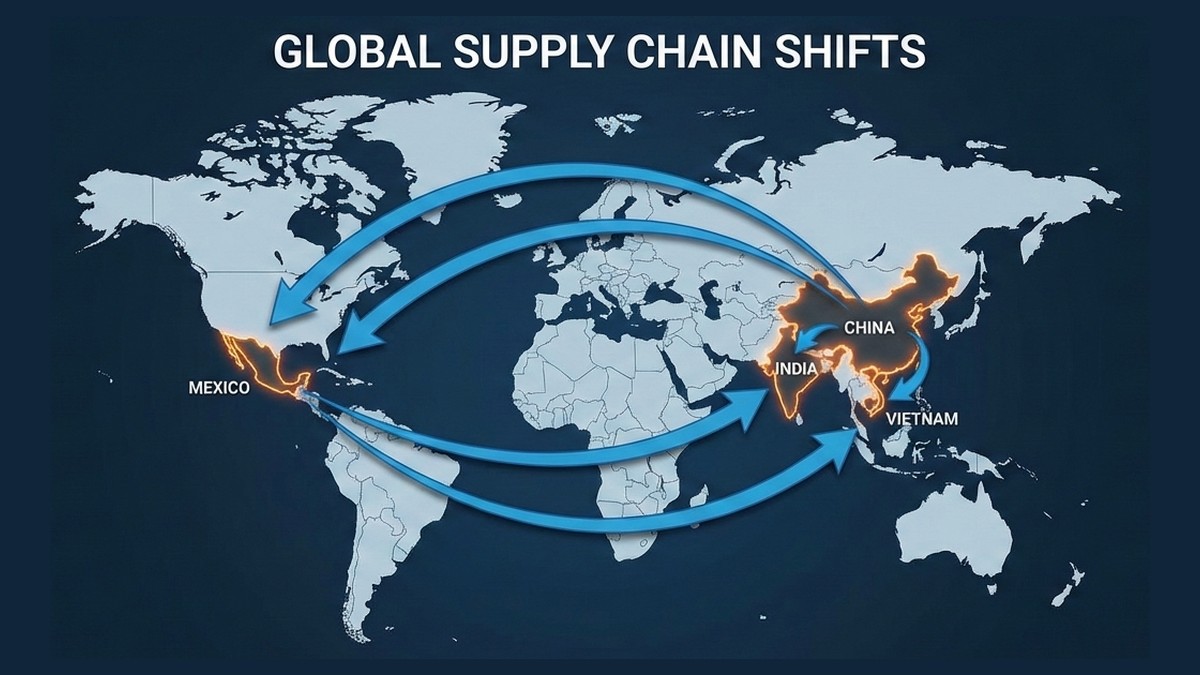
With the rise and development of China's garment industry, various convenient supporting facilities, labor cost advantages, and preferential policies have attracted many Taiwanese enterprises to invest in China. Many Taiwanese sewing companies have gradually shifted their sales to the Chinese market. With cheaper cost factors than Japan and Europe, Taiwanese brand sewing machines are developing rapidly in the Chinese market. To save various costs, Taiwanese sewing machines gradually set up production bases, branches, and sales points in China. In recent years, with the transfer of global manufacturing processing to Southeast Asian countries, Taiwanese sewing companies have followed the industry trend and set up distribution points and offices in Southeast Asian countries.
The Scale of China's Sewing Equipment Industry:
China's sewing equipment industry is the largest in scale and has the characteristics of clustering:
China is currently the country with the largest production of sewing machines in the world, with an annual output exceeding 70% of the world. After years of development, China's sewing machinery industry has formed a complete industrial chain, ranking first in the world in terms of scale and output value. China currently produces more than 13 million sets of various sewing machinery and equipment annually, and the products are exported to more than 170 countries and regions around the world. Enterprises in China's sewing machinery industry are clustered. At present, six major sewing machinery industry clusters have been formed in Zhejiang, Shanghai, Jiangsu, Guangdong, Shaanxi, and Tianjin.
The Development of the Japanese and German Sewing Equipment Industry:
Japanese and German companies have obvious technological advantages and occupy the high-end market:
From the perspective of the overall competition pattern of the global sewing machinery industry, the industry concentration is relatively low and the market competition is relatively sufficient. The world's sewing equipment manufacturers are mainly located in China, Japan, and Germany. Japan, Germany, and other traditional sewing machinery powerhouses still have certain advantages in technology. They mainly produce and sell high-value-added special industrial sewing machines and high-end auxiliary equipment, leading the global high-end sewing machinery market.