What Are Injection Molding Machines? What Types Are there?
Injection molding machines, also simply known as injection machines, are special machines used for manufacturing products. Injection molding machines come in various types, can be used for various materials, and have the advantages of fast processing and economical cost.
Published: May 31, 2022
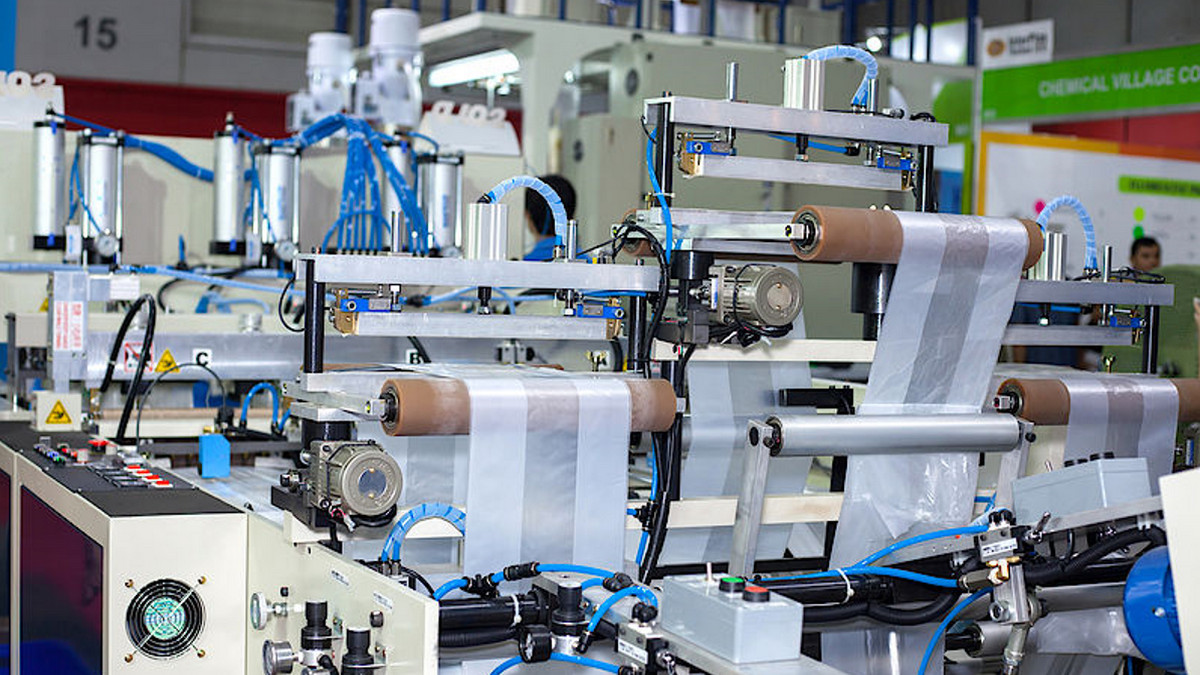
Do you know how plastic products are made? Many plastic products commonly seen such as bottle caps, bowls, auto parts, etc. are made using injection molding machines. When it comes to injection molding machines, many people have no ideas what they are. In this article, we will discuss some of the common injection molding machines, and their different characteristics and types. Join us on this journey!
What Is a Plastic Injection Molding Machine?
Plastic injection molding machines are special machines used for manufacturing plastic products. Most injection molding machines are composed of two basic parts: the injection device and the clamping unit. The injection devise is responsible for heating plastic pellets into a liquid. The clamping unit is used to carry the mold and provide the force required for mold closing, mold clamping and other actions.
How to Choose an Injection Molding Machine?
Special attention should be paid to the selection of injection molding machines. The nature of the injection product should be understood in order to understand the size of the mold needed to produce the product. Larger products require larger injection molding machines and generally require more professional injection molding. The machine’s performance and finished product appearance will be affected by stroke operation, mold clamping force, injection volume, screw compression ratio, injection speed, etc.
What Types of Injection Machines are there?
The many types of injection molding machines are usually distinguished by the following methods:
Classification method 1: Drive method
Hydraulic Injection Molding Machines
The power driving most injection machines is mainly hydraulic. Because the hydraulic plastic injection molding machine must maintain a consistent operating temperature, it cannot be idle during operation. If the temperature of the machine is not maintained properly, it can cause damage to the machine.
All-Electric Injection Molding Machine
Compared to hydraulic injection machines, the price of the all-electric injection molding machines is higher, but all-electric injection molding machines do not need to operate while on standby, and they have automatic temperature adjustment, so the injection molding process is more efficient and product quality is relatively stable. Because all-electric injection machines have no hydraulic system, there is no risk of liquid leakage.
Hybrid/Servo Hybrid Injection Molding Machines
Hybrid injection molding machines are economical and highly efficient. They integrate the advantages of both hydraulic type and all-electric type machines. Most plastic injection machines used today use this combination of the two. Advantages of hybrid injection molding machine are reasonable cost and low energy consumption, two major consideration when choosing an injection molding machine.
Servo oil-electric injection machines are equipped with high-precision servo motors and offer the same savings as the all-electric types. Clamping mechanisms are simpler, more accurate, and durable, greatly reducing the cost of maintenance. The servo hybrid types also have higher injection and holding pressures than the all-electric type, which is a major advantage over just hydraulic injection molding machines.
Classification method 2: Switching modes
Vertical Injection Molding Machines
As the name suggests, a vertical injection molding machine operates in a vertical position. It is usually used to manufacture relatively small parts. Its major advantage it that it is able to produce a broad range of products, while operating in a relatively small space. If the vertical injection machine is equipped with a rotary table or conveyor belt, it can effectively improve production efficiency.
Horizontal injection molding machines
Horizontal injection molding machines are the most widely of all models. They have a relatively low body, fast molding capabilities, and are convenient to operate and maintain.
Classification method 3: Applicable raw materials
Thermoplastic Injection Molding Machines
Thermoplastics will melt into liquids after heating, and turn into solids after cooling. Common thermoplastics include PE, PP, ABS, TPU, etc. Generally, plastics that soften when exposed to heat are mostly thermoplastics. Thermoplastic plastic injection machines use the characteristics of thermoplastic plastic to inject liquid plastic into the mold after heating the plastic pellets. After cooling, the plastic returns to a solid state, and then the plastic parts are pushed out of the machine.
Thermosetting Plastic Injection Molding Machines
Thermosetting plastics will change from liquid to solid after heating. This transformation can usually only be formed once, so they cannot be recycled like thermoplastics, making them less environmentally friendly. Common thermosetting plastics include FRP and Melamine. The thermosetting plastic injection machine injects the plastic liquid into the mold where the plastic is heated until the it solidifies.
Powder Injection Molding Machine
Two forms of powder injection molding are "metal injection molding" (MIM), and "ceramic injection molding" (CIM). The raw materials used in these machines are precision-treated fine metal or ceramic powders and bonding materials. Common applications are portable products, smart devices, electronic products, etc. Powder injection is often used to manufacture small parts with high precision and complex appearances. Metal parts produced by powder injection have especially high strength and density.
Classification 4: Clamping structure
Single-Cylinder/ Double-Cylinder/ Four-Cylinder Direct Pressure Injection Molding Machines
Direct pressure injection machines inject plastic material through a heated cylinder into a mold. Different clamping structures can be used to incorporate a single cylinder, double cylinders or four cylinders for injection. Because the single-cylinder type will supply the entire mass of plastic through one cylinder, even distribution of the plastic throughout the mold will be more difficult to maintain, especially when used in large machines. Single-cylinder direct-pressure injection machines have been gradually replaced by multiple-cylinder direct-pressure injection machines. Double-cylinder injection machines have two cylinders injecting in parallel. Under equal injection pressures, the injection speed of the double-cylinder will be slower than that of the single-cylinder. Therefore, the injection pressure will usually be increased.
The design of four-cylinder, direct pressure clamping machines is different. In the past, the most common problem with four-cylinder direct-pressure clamping was that the unbalanced force resulted in damage to the mold. This problem was especially critical with larger molds. Now most of this problem has been resolved with an automatic balance function to assure accuracy of clamping.
Compared with toggle type machines, the direct pressure type has a longer life time. With direct mold clamping there is no resistance during travel, so there is no need for frequent lubrication. Although direct mold clamping machines are more expensive than the toggle type, they are more durable so have lower maintenance costs.
Toggle Type Injection Molding Machines
Toggle type molding machines use a type of clamping mechanism that can be used for high speed injection molding where product precision is not critical. The toggle structure is more complicated, but can perform simple operations quickly, lowering operating costs.
Composite Direct Pressure Injection Molding Machines
The components injected by the compound direct pressure injection machine are the same as the direct pressure type. The machine with a longer length has a larger mold opening force, and a longer clamping stroke can be designed. The durability of the components is a great test, and currently only a few manufacturers produce them in large quantities.
Classification method 5: Injection structure
Monochromatic injection molding machines
Monochromatic injection means that the entire plastic component is of the same color during injection. It is the most commonly used injection machine at present. Monochromatic injection can also be used to inject products with two different colors by injecting the first color to form a semi-finished product, and then injecting the second color to process the complete product.
Multi-color Injection Molding Machines (Multi-Component Injection)
Multi-color injection machines can simultaneously inject plastic components with two or more different colors. At present, the most widely used multi-color injection molding machines are two-color injection molding machines. These machines are often used to inject LSR silicone rubber. In recent years, multi-color injection technology has gradually become a hot trend in the industry due to its environmental protection, high efficiency, good performance and other characteristics.
Published by May 31, 2022
Source :Edex
(4059)(20260924)(原).jpg)
(2367)(20260924)(原).jpg)