Why Fuel Injector Cleaner Matters
Fuel injector cleaner is often presented as a simple maintenance product, but for procurement managers, distributors, engineers and plant-side decision-makers, it is better understood as a controlled chemical product category with direct implications for performance claims, product positioning and supplier risk. The real decision is not whether fuel injector cleaner exists, but how to determine whether a specific formulation is suitable for the intended market, engine type and distribution channel.
That question matters because injector deposits can affect atomization, combustion quality, drivability and emissions behavior. In the United States, gasoline must contain certified detergent additives under EPA rules, which shows that deposit control is already treated as a real fuel-performance issue rather than a marketing concept. For buyers, the practical challenge is to understand what a fuel injector cleaner is designed to do, where its limits are and how to evaluate a fuel injector cleaner supplier before adding the product to an aftermarket or export portfolio.
What fuel injector cleaner is designed to do
A fuel injector cleaner is a chemical treatment intended to reduce or remove deposits that build up on or around injectors during normal engine operation. In some formulations, the cleaning effect may also extend to nearby fuel-system areas, depending on the detergent package and claim scope. Its main function is to help maintain or restore cleaner injector operation so fuel can be delivered in a more controlled spray pattern.
For buyers, the first useful distinction is between three common categories:
-
Injector cleaner focused mainly on injector deposit control
-
Fuel system cleaner positioned more broadly across injectors and related fuel-path deposits
-
Maintenance additive intended primarily for preventive use rather than visible corrective cleaning
This distinction matters during sourcing. A product labeled as a fuel injector cleaner should not automatically be treated as a solution for heavy contamination, mechanical injector wear, tank corrosion or electrical faults. If a supplier cannot explain whether the product is preventive, restorative or multi-function, the product positioning is too vague for serious channel development.
Why injector deposits matter in modern engines
Fuel injectors are precision components and even modest deposit formation can affect spray pattern, droplet size and fuel delivery consistency. That can show up as rough idle, hesitation, incomplete combustion, reduced fuel efficiency and unstable customer experience. In higher-efficiency gasoline direct injection systems, injector cleanliness has become even more important. The latest TOP TIER gasoline performance standard specifically added GDI fuel injector cleanliness requirements, reflecting the tighter tolerance of newer engine technologies.
For technical and commercial teams, this leads to one clear judgment: a credible fuel injector cleaner should be positioned as a deposit-management product, not as a universal fix for all fuel-related complaints.
How fuel injector cleaner works
Most fuel injector cleaners rely on detergent chemistry carried by the fuel through the injection path. As treated fuel passes through the system, the active components are intended to help loosen, dissolve or disperse deposit material over time while also reducing the likelihood of further buildup. The cleaning effect is usually progressive rather than instantaneous, especially in tank-added products.
Deposit-control chemistry in practical terms
From a buyer’s perspective, the important question is not the marketing term used on the label, but what the chemistry is expected to do in operation. Is it mainly intended to prevent future deposit accumulation? Is it designed to help clean existing light-to-moderate injector fouling? Or is it marketed as a broader fuel-system cleaner?
Industry standards and fuel programs continue to frame deposit control as a performance issue. EPA requirements confirm the regulatory baseline for detergent use in gasoline and the TOP TIER program sets a higher voluntary benchmark for deposit-control performance than minimum fuel requirements alone.
Preventive use versus corrective use
This is where many supplier claims become unclear. Preventive products are usually intended for regular service intervals or fleet maintenance schedules. Corrective products are typically positioned for engines already showing mild deposit-related symptoms. Those are different use cases and should be documented differently.
A supplier should be able to state the recommended treatment interval, dosage and intended condition of use. If the product is only suitable for preventive maintenance, that should be stated clearly. If corrective cleaning is claimed, the supplier should be prepared to explain the operating conditions under which that claim is realistic.
When fuel injector cleaner is likely to deliver value
Fuel injector cleaner is most likely to help when three conditions are present: the engine is mechanically sound, the problem is related to deposit buildup rather than hardware failure and the product is used at the correct treat rate. It is less likely to provide value where the issue is caused by injector damage, poor fuel storage, pump malfunction or unrelated ignition faults.
For distributors and service-oriented buyers, that means the product should be sold with use boundaries, not just promises. A technically reliable supplier should be able to define what the cleaner is intended to improve and what it is not designed to fix.
Before approving a product, buyers should compare the product on decision points that affect both technical fit and commercial execution.
A structured comparison helps keep supplier discussions factual rather than promotional.
| Evaluation factor |
What buyers should verify |
Why it matters |
| Application scope |
Injector-only or broader fuel-system claim |
Prevents overstatement in sales channels |
| Fuel compatibility |
Gasoline, diesel or separate product lines |
Reduces misapplication risk |
| Treat rate |
Volume per tank, liter or dosage event |
Affects cost per use |
| Service interval |
One-time, periodic or preventive schedule |
Shapes maintenance messaging |
| Documentation |
TDS, SDS, claim basis, labeling data |
Supports qualification and compliance |
| Packaging options |
Retail, workshop, bulk, private label |
Important for channel fit |
| Quality control |
Batch consistency and traceability approach |
Protects repeat-order confidence |
This comparison table is useful because it turns general selection language into practical screening criteria. A buyer does not need broad statements about “good quality”; a buyer needs evidence of how the product is specified, used and supported.
What procurement and engineering teams should verify before approval
Application scope and compatibility
The first step is to confirm exactly which fuel types and engine categories the product is designed for. A gasoline fuel injector cleaner should not be assumed to be suitable for diesel applications unless the supplier provides separate support for that use case. The same applies to differences between port fuel injection and gasoline direct injection, especially where claims relate to injector cleanliness.
Treat rate, packaging and cost per use
Price per bottle is not enough. Buyers should compare cost per treatment and confirm whether the product is intended for single-use retail sale, workshop servicing or larger-volume distribution. A cheaper product with an inefficient treat rate may be less competitive than a higher-priced product that requires lower dosage and offers better channel clarity.
Documentation and supplier support
At minimum, request a Technical Data Sheet, Safety Data Sheet, usage guidance and packaging specification. If performance claims are made, ask what internal or third-party basis supports them. Where evidence is limited or unclear, the correct decision is not to reject the product automatically, but to mark the claim until the supplier provides enough detail for review.
A practical framework for evaluating a fuel injector cleaner supplier
Once buyers move from basic category understanding to supplier evaluation, the next step is to review how clearly the supplier presents product scope, application logic and quality positioning. This is where your product link should appear naturally.
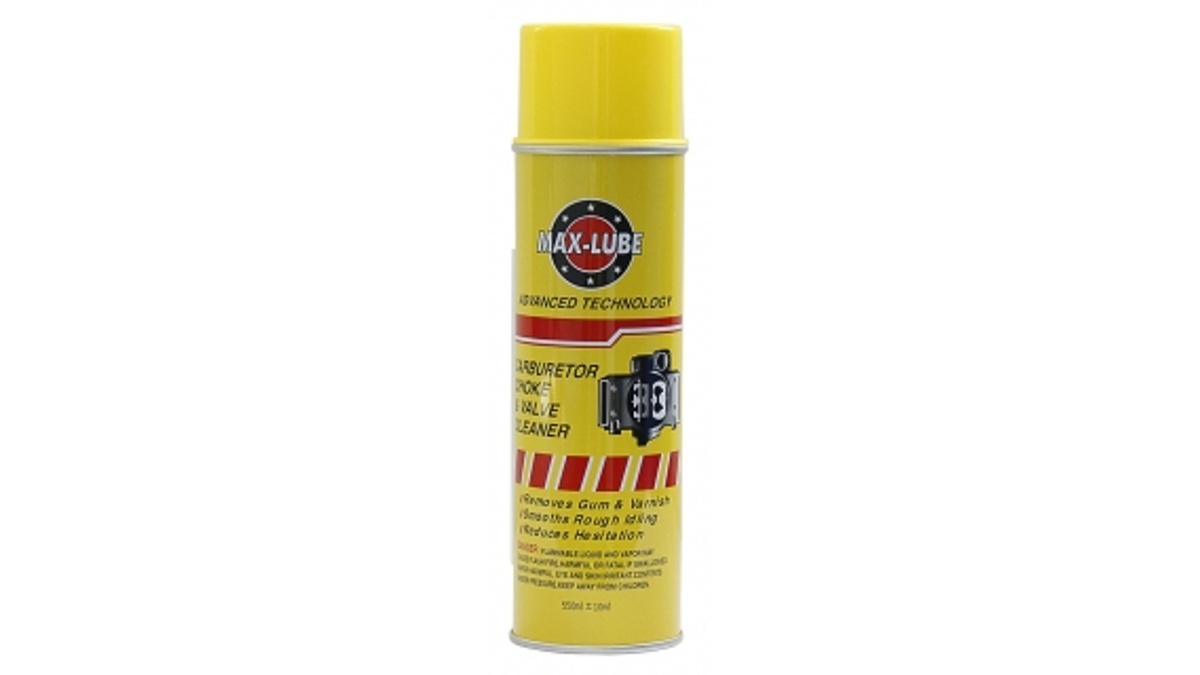
For readers moving from concept to specification review, examining a real product-category page can be useful. Buyers comparing available options may find it helpful to review the Max-Lube fuel injector cleaner as part of supplier benchmarking. In this website, Max-Lube can serve as a practical reference for teams that want to compare category structure, application fit and a stable quality approach when screening a potential fuel injector cleaner supplier or fuel system cleaner supplier. The value is not that one page replaces technical qualification, but that it gives procurement teams, distributors and engineering reviewers a clearer basis for checking whether a supplier presents its range in a commercially and technically usable way.
A supplier review meeting should answer five specific questions:
- What deposits is the product intended to address?
- What fuel types and engine categories are covered?
- What is the exact treat rate and service interval?
- What documentation supports the product claim?
- How does the supplier control consistency across batches and packaging formats?
If several of those answers remain unclear after the initial review, the supplier is not yet ready for smooth distributor onboarding.
2026 market considerations for global buyers
As of 2026, fuel injector cleaner remains commercially relevant because the installed base of internal combustion and hybrid vehicles is still substantial, even as EV adoption accelerates. The IEA reported that electric car sales topped 17 million in 2024 and are expected to exceed 20 million in 2025, representing more than one-quarter of global car sales. That growth is significant, but it also means most vehicles sold globally are still not pure EVs and the existing parc continues to sustain demand for fuel-related maintenance products.
For global buyers, three implications stand out:
-
Documentation matters more. Cross-border distribution increasingly depends on clear product data, safety documentation and claim discipline.
-
Stable quality matters more than aggressive claims. Buyers are more cautious about inconsistent formulations that create complaint risk after onboarding.
-
Supplier presentation matters. A well-structured product page, clear packaging logic and application-specific positioning now play a larger role in supplier selection, especially for distributors entering new regional markets.
In parallel, fuel-performance expectations are becoming more demanding. TOP TIER’s newer standards for gasoline and diesel reflect a stronger focus on injector cleanliness and contamination control, which reinforces the need for more disciplined additive positioning.
Buyer FAQ
1) How often should fuel injector cleaner be used?
Most preventive programs apply it periodically, not at every refueling. A practical benchmark is every 3,000 to 5,000 km or according to the supplier’s written dosage schedule; if the supplier does not specify an interval, request one before approval.
2) Can fuel injector cleaner solve serious injector failure?
No. It is appropriate for deposit-related performance loss, not for mechanical damage, electrical faults or pump failure. The actionable next step is to ask the supplier to define the product’s non-applicable conditions in writing.
3) What documents should a buyer request from a fuel injector cleaner supplier?
Request at least four items: Technical Data Sheet, Safety Data Sheet, packaging specification and claim-support summary. If any of these are missing, pause qualification until the supplier fills the gap.
4) What is the difference between a fuel injector cleaner and a fuel system cleaner?
A fuel injector cleaner is usually narrower in scope, while a fuel system cleaner may include claims related to injectors and other fuel-path areas. The judgment standard is simple: check whether the TDS defines injector-only, multi-area cleaning or preventive maintenance only.
5) What should buyers look for on a supplier’s product page?
Start with four checks: application scope, treat-rate clarity, packaging options and access to technical documents. If the page shows only broad claims and no usage structure, request more evidence before moving forward.
Final thoughts
Fuel injector cleaner should be evaluated as a controlled maintenance, not as a generic add-on product. For procurement teams, engineers and distributors, the decision should be based on application fit, treat rate, documentation quality and supplier consistency.
For buyers who have already defined their criteria and want a practical comparison point, reviewing a structured range such as Max-Lube’s fuel injector cleaner can be a sensible next step. It helps teams compare how a supplier presents product options, supports specification review and communicates a stable quality position before moving into formal qualification.

(4059)(20260924)(原).jpg)