
Insights

The cloud server market is a cloud infrastructure service that allows service providers and end-users to use virtual networks to build architectures.
2021-08-26 09:54:41

Micromachining technology is an important support technology for modern high-tech warfare, and is the development foundation and direction of modern high-tech industries, science and technology.
2021-08-25 18:53:02

During the operation of a factory, the flow of materials determines the production efficiency of the factory. Recently, production lines have gradually added automation equipment, but the supply or handling of materials to and from the production line still relies on manual handling operations. This often results in unsmooth logistics and interrupted production flow. To avoid interruptions in supply, and reduce storage and production space, Automated Guided Vehicle (AGV) technology offers an unmanned management solution.
2021-08-25 15:25:46
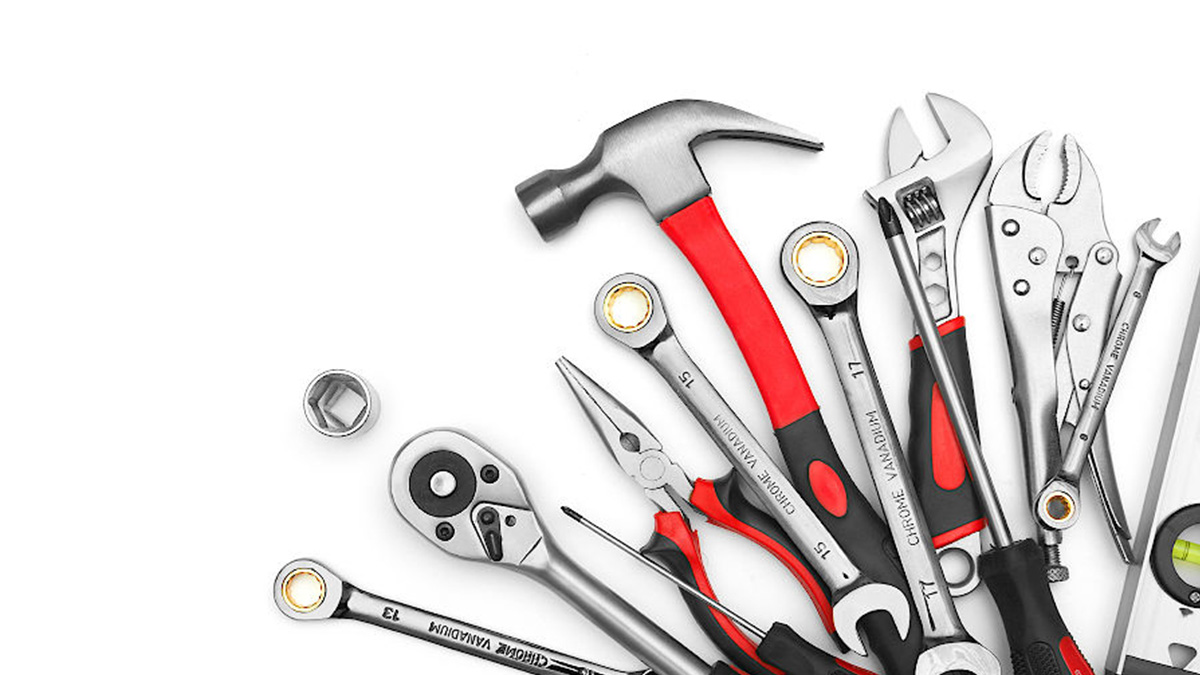
Today’s feature-rich hand tools enable manual operations to be more efficient, comfortable, and safe, thereby increasing productivity, improving work quality, and reducing fatigue and wear.
2021-08-20 15:39:24

Smart machine tools originally referred to various stand-alone machines with auxiliary software functions, developed for machine tool factories to improve machine tool operating efficiency. In recent years, under the wave of Industry 4.0, smart machine tools have been given new definitions. Besides having enhanced auxiliary functions, smart machines need to complete production in coordination with all the equipment in the factory through the communication interface.
2021-08-19 13:36:33

The surge in the production of smartphones, the increasing penetration of artificial intelligence (AI) in commercial and consumer applications, and the decline in the price of consumer electronic devices are some of the main factors that may drive market growth of glass.
2021-08-19 11:15:42

"Cloud" refers to servers accessed through the Internet, as well as software and databases running on these servers. Cloud servers are in data centers around the world. By using cloud computing, users and companies do not need to manage physical servers or run software applications on their machines.
2021-08-18 22:44:29

Plastic products can be seen everywhere in daily life, and different plastic products are made through different processing techniques. Plastics manufacturing is the process of making plastic into semi-products or products with practical value. Plastics manufacturing usually includes primary processing and secondary processing of plastics.
2021-08-17 15:00:57

The prospects of the global construction industry are promising. The main driving forces of market growth are growth of urbanization and population, housing market, and infrastructure.
2021-08-13 10:02:14
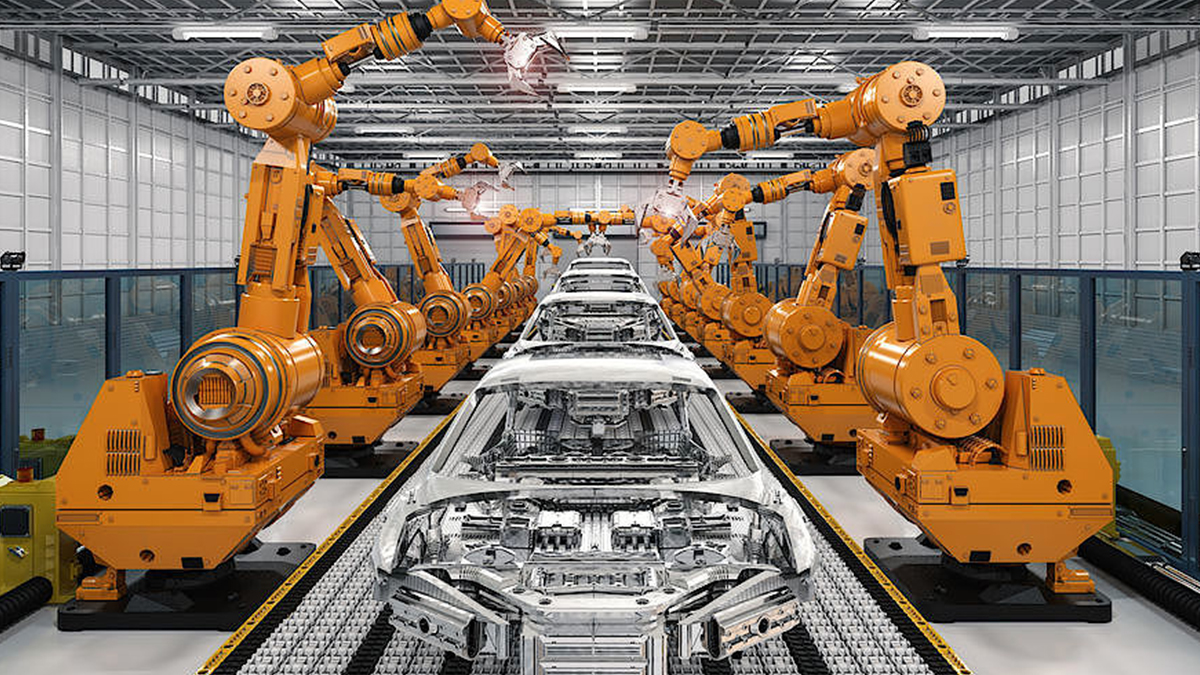
Artificial intelligence has brought in a new generation of robotics technology: Robotics 2.0. The principal challenge is the transformation from original manual programming methods to true autonomous learning. Faced with this challenge for innovation in AI robotics, how can Taiwan's manufacturing industry best seize the opportunity?
2021-08-12 16:10:23
Hot Topic
Agree