How Does a Drill Machine Work?
Knowledge

How Does a Drill Machine Work?

Why do we need a drilling machine? The drilling machine can perform precise drilling without damaging the object so that a drilling machine is an indispensable processing technology in industrial manufacturing.
Published: Mar 23, 2020
How Does a Drill Machine Work?
Photo by unsplash

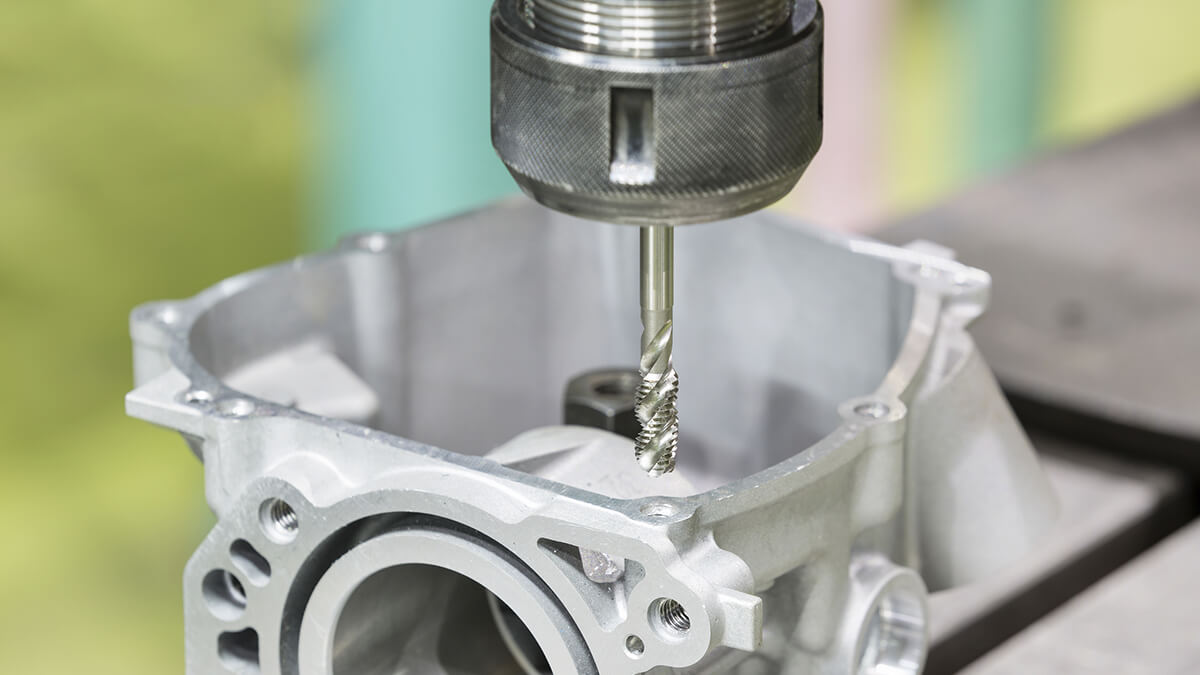
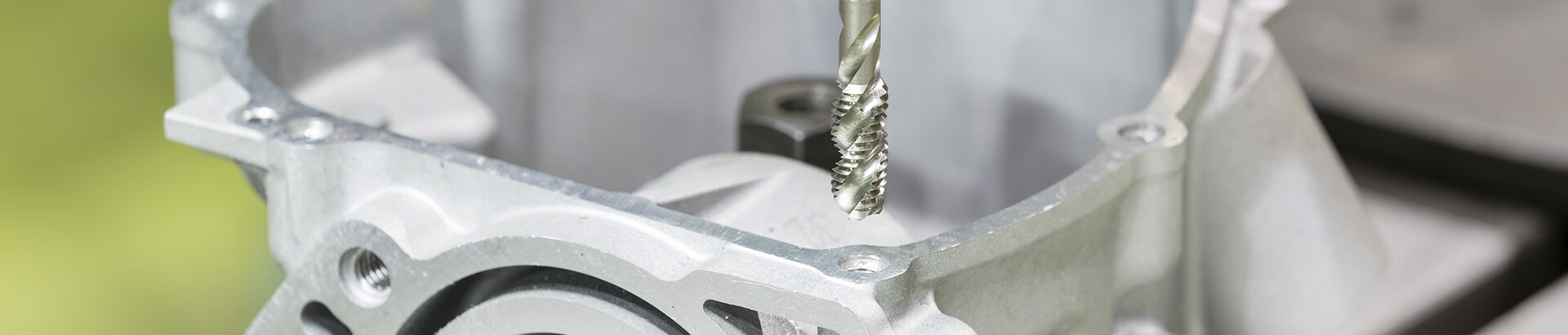
Have you ever thought about how the holes are made in a workpiece without damaging it? That is why we need drilling machines. A drilling machine, called a drill press, is used to cut holes into or through metal, wood, or other materials. The drilling machine or drilling press is commonly used in the engineering field.

  • Firstly, we will mark a point on it, where the holes are going to be made.
  • Secondly, we use the drilling machine to set up the components and take a sharp cylindrical multi-point cutting tool, insert it inside the chuck, and fix it tightly there.
  • Thirdly, put the work-piece block on the drilling machine table such that the tooltip becomes collinear with the point marked on the block by rotating table clamp.
  • Fourth, move the table along the column until a specific distance between the tool and the block.
  • Lastly, we switch on the power supply, then the tool begins to be rotating the hand labor manually, make sure the rotating tool to move linearly towards the block until the tool as rotating the lever, further the tool runs deep into the block, and continue rotating the lever till the tool pierces the block.

That is how a hole is made in a block without damaging it. This process of making holes in a block with the help of a rotating is called and the tool used is called drill thus the machine setup used is called drill press or drilling machine.

Published by Mar 23, 2020 Source :Quora, Quora

Further reading

You might also be interested in ...

Headline
Knowledge
How Comprehensive Foam Testing Protects Performance in Harsh Environments
Foam materials, particularly NBR rubber foam, are widely used across industries due to their lightweight, cushioning, and insulating properties. However, exposure to harsh environmental conditions, such as moisture, UV radiation, and fluctuating temperatures, can degrade foam performance over time. To mitigate risks and ensure long-term durability, manufacturers employ comprehensive testing methods, including spray, immersion, leak detection, ASTM C272, pressure, UV, salt spray, and compression recovery tests. These procedures provide critical data on how foam materials respond to environmental stress and help maintain product reliability.
Headline
Knowledge
Navigating Supply Chain Volatility - How to Choose a Medical Plastic Components Manufacturer for Rapid Scale-Up
The landscape of medical device manufacturing has shifted dramatically. The days of predictable, long-lead-time forecasting are fading. In their place is a market defined by volatility, rapid innovation cycles, and the urgent need for supply chain resilience. For medical device startups and established OEMs alike, the choice of a medical plastic components manufacturer is no longer just about cost—it is about speed and agility.
Headline
Knowledge
Understanding Dynamic Balance and Clamping Mechanics in Modern CNC Tool Holders
Precision machining has become increasingly dependent on the performance of the CNC machine tool holder, a component often underestimated in its influence on accuracy, surface finish, and tool life. With today’s high-speed spindles, multi-axis machining centers, and micro-tolerance production standards, the interaction between dynamic balance, runout behavior, and clamping mechanics has never been more critical. This article provides a neutral, engineering-focused analysis of these performance factors and introduces several leading global manufacturers contributing to advancements in tool-holding technology.
Headline
Knowledge
How Hydraulic Power Units (HPUs) Support Green Manufacturing and Energy Efficiency — A Technical Perspective
As manufacturers pursue energy efficiency and carbon reduction, hydraulic systems are being re-engineered to meet green manufacturing standards. Modern Hydraulic Power Units (HPUs), enabled by servo pumps and intelligent control, now deliver on-demand power with significantly lower energy loss, noise, and heat generation.
Headline
Knowledge
How Patent Screws Enhance the Long-Term Durability of Exterior Walls and Roof Systems
In today’s construction industry, the durability of exterior walls and roof assemblies depends not only on design or materials but also on the Patent Screws that secure them. These fasteners endure constant exposure to moisture, UV light, and temperature changes. Traditional screws often fail under these conditions, causing corrosion, leaks, or costly maintenance. This article explores how Patent Screws, with their patented coatings and sealing systems, help engineers and procurement professionals achieve long-term reliability in demanding environments.
Headline
Knowledge
Integrated Plastic Production Workflows: Recycling, Extrusion, and Beyond
In the manufacturing sector, integrated workflows for plastic production—from recycling to film extrusion, bag making, and printing—play a crucial role in enhancing efficiency and sustainability. These systems enable manufacturers to handle the full lifecycle of plastic materials, addressing environmental concerns while optimizing operational costs. As industries shift toward circular economies, understanding these processes provides valuable insights for both new entrants and established operations seeking upgrades.
Headline
Knowledge
How to Choose the Right Blow Molding Machine: A Practical Buyer’s Guide
In the competitive world of polymer container manufacturing, choosing the right blow molding machine is a strategic decision. A poorly selected machine can lead to inefficiencies, excessive costs, or frequent downtime. In this guide, we present a neutral, buyer-oriented roadmap to help procurement engineers, plant owners, and OEM decision-makers evaluate and select blow molding equipment that truly matches their production needs.
Headline
Knowledge
How Magnetic Drive Pumps Enhance Chemical Reliability in the Evolving Printed Circuit Board (PCB) Industry
The global Printed Circuit Board (PCB) industry is undergoing rapid transformation, fueled by technological upgrades, supply chain restructuring, and rising demand from high-performance electronics. With the market expected to grow from USD 80.3 billion in 2024 to USD 96.5 billion by 2029, manufacturers must focus on improving production stability, chemical reliability, and environmental compliance to stay competitive.
Headline
Knowledge
How to Choose the Right Ball Bearing Drawer Slide: Light, Medium, or Heavy Duty?
Choosing the right Ball Bearing Drawer Slide is essential for smooth operation, reliable load support, and long-lasting performance.
Headline
Knowledge
Stop the Stress: 5 Non-Negotiable Questions to Ask Your Bubble Tea Ingredient Supplier Today
Opening a bubble tea shop is exciting, but the reality is built on a complex, global supply chain.
Headline
Knowledge
Exploring the Pros and Cons of Seal-less Magnetic Drive Pumps in Industrial Use
Industrial process engineers are increasingly adopting seal-less magnetic drive pumps to enhance system safety and reliability. Unlike traditional pumps that rely on mechanical seals, magnetic drive pumps offer a fully enclosed structure that eliminates leakage risks—a major advantage when dealing with corrosive or toxic liquids.
Headline
Knowledge
From Cavitation Effect to Industrial Applications: The Secrets of Ultrasonic Cleaning
When your glasses, tableware, or electronic components are stained with stubborn dirt, what can you do? Traditional methods often require vigorous scrubbing or even harsh chemical solvents, which are not environmentally friendly and may scratch the item. At this moment, ultrasonic cleaning acts like an “invisible little helper”, reaching deep into grooves and gaps to gently yet effectively remove contaminants.
Agree