What is About Grinding Machining and Machinery?
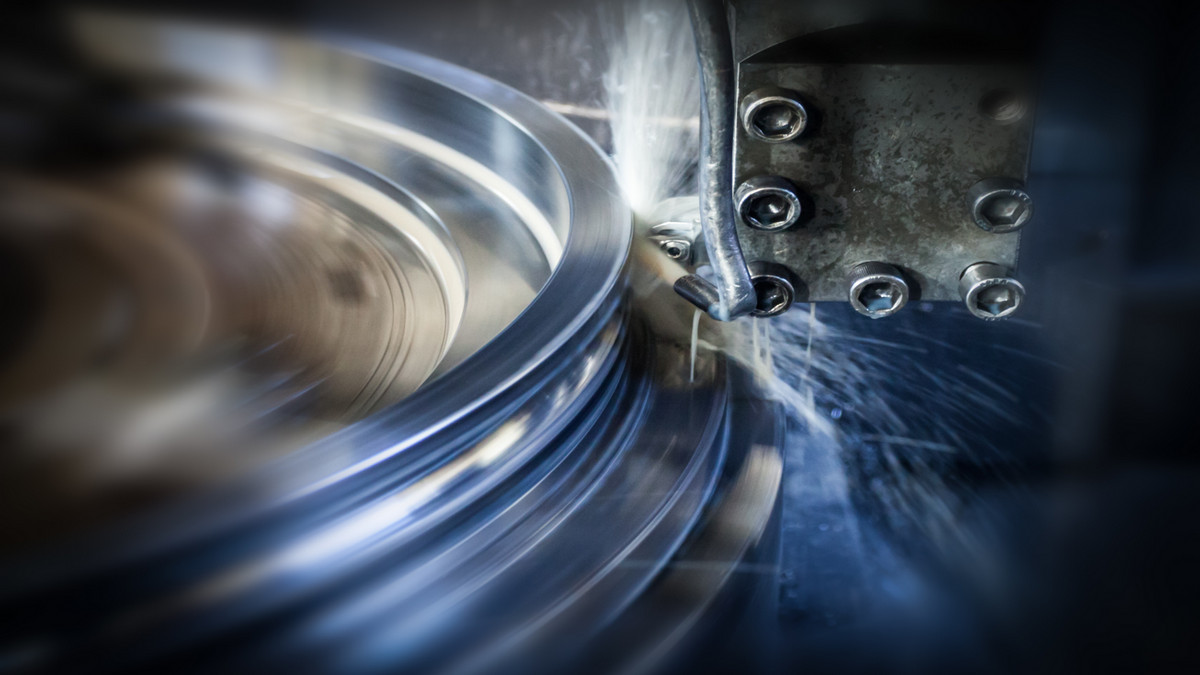
A grinding machine, or grinder is a widely used abrasive processing process in which a spinning wheel is covered with coarse grains. Cutting pieces of metallic or non-metallic substances from a workpiece to make the surface flat or smooth.
Published: Apr 12, 2023
How Does a Surface Grinding Machine Work?
The three main components of a surface grinder are the rotating grinding wheel, the work holding, and the reciprocating or rotary table. Grinding wheels smooth and refine the surface of a material by removing excess material from it. Work holding devices hold workpieces in place during machining. The table moves the workpiece around the wheel surface as needed to achieve the desired specification.
What are the Types of Surfaces Grinding Machine?
-
Horizontal Spindle Grinder:
Horizontal spindle grinders, also known as peripheral surface grinders, are designed to keep the flat circumference of the grinding wheel in contact with the workpiece surface. This setting ensures the creation of flat shapes with a smooth finish, making it ideal for machining components that require flat surfaces. It also works on sloped or tapered surfaces as well as grooved or recessed surfaces. Typical components made using these machines include connecting rods, pins, and pistons.
-
Vertical Spindle Grinder:
Vertical spindle grinders, also known as wheel surface grinders, are designed to quickly remove excess material from workpieces. Grinding wheels can be made in various forms to suit different part shapes. Typical components made using these machines include gears, rotors, and spacers.
-
Single Disc / Double Disc Grinder:
Single and double-disc grinders are available in horizontal and vertical configurations. Single-disc grinders allow for a larger contact area between the grinding wheel and the workpiece, while dual-disc grinders can machine both sides of the workpiece at the same time. Typical components made using these machines include gears, plates, and washers.
What are the Parts and Functions of the Grinding Machine?
- Base: The base is a cast iron-made body that houses all the components of the grinding machine.
- Table: This part holds the material to be grounded and allows it to rotate around a vertical axis. It supports and holds the workpiece firmly in place for accurate grinding operation.
- Wheel Head: This component consists of an electric motor, spindle shaft, bearings, and pulleys that control wheel speed and direction of rotation during grinding operations. Used to remove unwanted material from the workpiece to obtain the desired smoothness and surface finish. The wheels are coated with abrasive grains.
- Wheel Guard: This is a safety device used to protect both operator and the machine from any flying debris generated during grinding operations.
- Magnetic Chuck or Vise: This part holds the workpiece firmly in place while being ground by the spinning wheel head surface grinder wheels.
- Coolant System: A cooler system helps keep temperatures low during heavy-duty machining operations such as surface grinding machines.
- Cross feed: Cross feed is a part of this machine used for moving up and down or left and right of the wheel head and work table and so on.
- Traversing Wheel:
- Manual movement wheel: This wheel is used to move the table left or right in the horizontal direction according to the tool and workpiece.
- Cross Side: Used to move the workbench forward and backward.
- Vertical Feed Handwheel: The vertical feed handwheel is used to move the wheel head vertically up and down.
What is the Grinding Machining Technology?
- Surface Grinding Operations: Surface grinding involves smoothing surfaces and is one of the most common grinding operations. The workpiece is held on a magnetic chuck attached to the table of the grinding machine. Special fixtures for vises and vacuum chucks generally require non-magnetic materials. The straight wheels are mounted on the horizontal spindle of the grinding machine. Lateral grinding occurs as the table reciprocates. Feels late longitudinally and after each stroke. In plunge grinding, the grinding wheel moves radially into the workpiece, just as it does when grind grooves.
- Cylindrical Grinding Operations: A rotating cylindrical workpiece reciprocates laterally along its axis in a grinding machine for large and long workpieces. The reciprocating grinding wheel is called a rolling grinder, which is identified by the maximum diameter and length of the workpiece that can be ground, similar to an engine lathe. In a universal grinder, both the workpiece and the wheel spindle can move and rotate about a horizontal plane, allowing tapers and other shapes to be ground. Typical applications of this type include crankshaft bearing spindle pins, bearing rings, and rolling mill rolls.
- Thread Grinding Operation: It is done on an external cylindrical grinder with special dressing wheels matching the shape of the thread as well as using a centerless grinder. Although expensive threads produced by grinding are the most precise of all manufacturing processes and have a fine surface finish.
- Internal and External Cylindrical Grinding: In internal cylindrical grinding, small grinding wheels are used to grind the inside diameter of components such as bushings and bearing races. The workpiece is held in a rotary chuck. The headstock of the internal grinding machine can rotate on the horizontal plane to grind the taper hole. In external cylindrical grinding, small grinding wheels are used to grind the outer diameter of components such as bushings and bearing races. The workpiece is held in a rotary chuck.
- Centerless Grinding: In this operation, two wheels are mounted parallel at an angle of 5-10 degrees, which is provided to obtain the longitudinal movement of the workpiece. The workpiece is supported by the blade, not the center or chuck. Due to the angle of inclination, the workpiece passes automatically over the wheels, between which a cylindrical bar is placed, resulting in a smooth surface.
- Wet and Dry Grinding Operations: In wet, the surface is cooled by spraying a coolant, which increases the life of the grinding wheel and achieves a good surface finish. In wet grinding, no coolant is used to cool the surface if it is a dry grinding operation.
Published by Apr 12, 2023
Source :The Mechanical Engineering.com