What are the Business Opportunities for "Home" Sports Under the Epidemic?
Market News

What are the Business Opportunities for "Home" Sports Under the Epidemic?

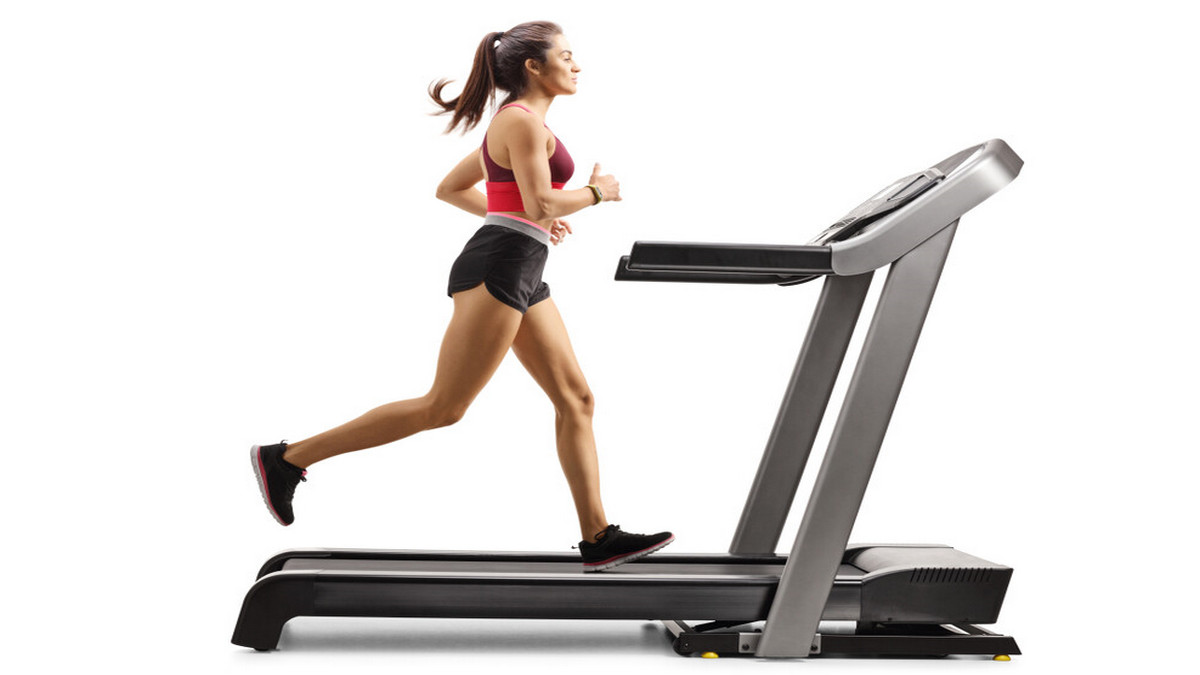
The COVID-19 sweeping the world has brought huge turbulence to the fitness industry. At the moment when gyms have declared bankruptcy, fitness equipment manufacturers have ushered in an unprecedented surge in demand due to the trend of home fitness.
Published: Sep 13, 2022
What are the Business Opportunities for "Home" Sports Under the Epidemic?

For the fitness industry, this is the worst of times and the best of times. The COVID-19 epidemic sweeping the world has destroyed gyms and gymnasiums, but it has also set off the trend and trend of "exercise at home". According to previous estimates by research firm Allied Market Research, the fitness equipment market was $11.5 billion in 2019 and will grow steadily at a rate of 4.1% per year to reach $15.2 billion in 2027. In Asia, where fitness has not yet become popular, it is expected to be the global growth engine with an annual growth rate of 7.6%. Fitness equipment is mainly divided into the commercial field that supplies gyms, and the home field that is sold to the general public. The commercial field dominated by gyms in the report is expected to be the core of the industry's growth momentum in the next few years.

Not Going to The Gym During the Epidemic Prevention Period, Exercise Has Become "Something to Do at Home"

However, the sudden epidemic has turned gyms and fitness centers into high-risk areas of infection, causing people to shy away from them. Traditional American gyms such as Gold Medal Fitness Center and 24-hour Fitness have filed for bankruptcy one after another.

While the epidemic has hit the fitness industry hard, it has also created another business opportunity. According to a report by The Business Research Company, a research institute, the home fitness equipment market is expected to reach US$9.5 billion this year, with an annual growth rate of more than 40%; Adobe also estimates that due to the promotion of home fitness, the sales of fitness equipment will be higher than last year. During the same period, it increased by 55%, which is almost 10 times that of the traditional fitness market.

Although the figures given by various research institutions are different, they all point to the same thing: the living room at home has become a gym for many people. This trend may also be seen from the sale of Nintendo's "Fitness Ring Adventure" during the epidemic prevention period to the out of stock. In fact, the warm spring and summer seasons are the off-season for fitness equipment sales, and the surge in sales confirms the trend of home exercise. This trend is also reflected in the performance of some fitness equipment manufacturers.

Nautilus: Revenue Soared 9 Times in March

Fitness equipment giant Nautilus has also fully grasped the trend under the epidemic and delivered dazzling revenue results. In the first quarter of this year, its revenue increased by 11% compared with last year to US$93.7 million, exceeding Wall Street's expectations. In fact, if you only compare the results in March, it has increased by 9 times compared with the same period last year.

Since the outbreak of the epidemic in the United States in March, the stock price of Nautilus has doubled about 7 times, from less than $2 to more than $11, which is enough to show the amazing growth under the epidemic.

The success under the epidemic is due to Nautilus's vision of accurately detecting the trend of home fitness and the advantages of "e-commerce and curbside pickup" services, which avoided the impact of the closure of physical stores and grasped it in the last few weeks of March. Surging demand for home fitness equipment. Nautilus also used the fitness app JRNY, launched last year, to timely find out that the demand for exercise at home continues to grow, and to gain insight into market trends.

At a time when the gym-centric commercial market continues to slump, Nautilus also revealed that it plans to sell Octane Fitness, the commercial fitness equipment business it acquired in 2015, to focus on the home fitness equipment market.

Peloton: Revenue, Subscribers Both Increase

Peloton, a new fitness equipment company, is based on selling flywheels, treadmills, and subscriptions to fitness courses. In the early days of the outbreak in the United States, Peloton immediately announced that the 30-day free trial was expanded to 90 days to attract new users to join. Peloton CEO John. Foley said that in the past they estimated that only about 100,000 people had tried the service, but during the epidemic, the number of people who tried their service was as high as 1.2 million. Although it's unclear whether it will successfully convert to paying users in the future, "I don't think people will rush back to crowded gyms, especially people who have experienced Peloton's services," Foley said.

In Peloton's May financial report, revenue growth of 66% exceeded Wall Street expectations, and subscribers also increased by 600,000 compared with the previous quarter. Such good results are also reflected in the stock price. Since the outbreak of the epidemic, Peloton's stock price has increased by more than 200%. This result also includes Peloton's practice of locating its product manufacturing base in Taiwan rather than China, so as to avoid the shutdown of factories due to the epidemic. In November, Peloton announced a $47.4 million acquisition of Taiwanese bicycle maker Qimei Technology in an effort to gain further control over the supply chain.

"They (Taiwan) have done a very good job in preventing the epidemic, and they have been very successful in preventing the COVID-19, and the factories in Taiwan have been able to continue to operate," Foley said.

Mirror: Acquired A Lot of Money from Yoga Clothing Brand Lululemon

Earlier, the focus under the spotlight of the American fitness equipment industry was that the yoga clothing brand Lululemon announced the acquisition of the new fitness mirror startup Mirror. Mirror, which sells fitness mirrors for about $1,500 a month, and subsequent subscription courses for $39 a month, is a fledgling startup that also benefits from the at-home fitness dividend. Brynn Putnam said the company's sales doubled in the weeks following the U.S. pandemic.

Perhaps seeing the dominant position of Mirror in the wave of home fitness, Lululemon did not hesitate to spend $500 million to bring it under his command, hoping to gain entry into the home fitness equipment market. Lululemon CEO Kelvin. McDonald said the acquisition of Mirror gives the company the possibility of further growth.

Lululemon is very optimistic about the development of the post-pandemic era of Mirror, and estimates that its revenue in 2020 will exceed US$100 million, and it will be able to balance the profit and loss next year.


Published by Sep 13, 2022 Source :Business Next

Further reading

You might also be interested in ...

Headline
Market News
Europe’s Rising Demand for Seaweed: From a “Slimy” Reputation to a Health Trend-How Buyers and Brand Owners Can Evaluate Supply, Applications, and Market Opportunities
Why Seaweed Is Becoming a Strategic Ingredient Opportunity in Europe
Headline
Market News
TaipeiPLAS 2026: Driving Smart Manufacturing and Supply Chain Resilience in Plastics and Rubber
TaipeiPLAS 2026 returns to TaiNEX 1 from Sept. 15-19, showcasing Taiwan's premier smart plastics and rubber machinery ecosystem, sustainable low-carbon workflows, and automation turnkey solutions for global buyers.
Headline
Market News
From Carbon Management to Material Selection: Why High-Performance Construction Screws Are Re-entering the Green Building Conversation
When people discuss green building, the spotlight usually falls on insulation, low-carbon concrete, recycled materials, high-efficiency glazing, or renewable energy systems. Yet as ESG standards, carbon disclosure requirements, and lifecycle-based procurement continue to reshape the construction industry, another category is quietly being reassessed: fasteners and building screws. This shift reflects a broader market reality. Sustainable construction is no longer judged only by whether major materials are labeled “green.” It is increasingly evaluated by whether the entire building system can deliver longer service life, lower maintenance demand, easier repair, reduced waste, and better compliance performance. In that context, the humble construction screw is no longer just a low-cost fixing component. It is becoming part of the larger conversation around durability, lifecycle value, and environmental responsibility. For buyers, project owners, architects, and contractors, this matters more than it may first appear. Screws are low-cost items individually, but they are used in very large quantities. Once issues such as corrosion, installation inefficiency, maintenance difficulty, or compliance gaps are multiplied across a full project, the consequences become significant in both operational and environmental terms.
Headline
Market News
JIMTOF 2026 at Tokyo Big Sight: Dates, Key Features, and Taiwan Spotlight
JIMTOF 2026, the 33rd JAPAN INTERNATIONAL MACHINE TOOL FAIR, will take place at Tokyo Big Sight from October 26 to 31, 2026. The event will feature machine tools, accessories, precision instruments, software, and related manufacturing technologies.
Headline
Market News
How Takeout Growth Is Expected to Reshape Demand for Paper Containers Manufacturers
A market outlook on how off-premises dining may influence future opportunities for paper packaging manufacturers.
Headline
Market News
Why Lithium-Ion Is Leading the Electric Forklift Shift - Charging, Maintenance, and Total Cost Considerations
As warehouses, factories, and logistics operators accelerate electrification, the discussion is no longer limited to whether companies should move from internal combustion forklifts to battery-powered models. The more practical question today is: which battery technology can better support uptime, safety, labor efficiency, and long-term cost control? For many buyers, lithium-ion is becoming the preferred answer. The electric forklift market is evolving from a simple power-source comparison into a broader evaluation of charging speed, maintenance workload, space planning, shift coverage, and total cost of ownership. Against this backdrop, lithium-ion technology is gaining strong momentum, especially in electric counterbalance forklift applications where stable performance, operational flexibility, and low downtime are critical. This article examines why lithium-ion is becoming a leading technology in electric forklifts, with a particular focus on charging and maintenance—the two issues procurement teams, plant managers, and business owners most often need to evaluate before making an investment.
Headline
Market News
How Integrated Recycling Pelletizing and Blown Film Lines Drive Sustainable Packaging
The push for sustainability in the plastics industry is accelerating globally. Manufacturers face rising raw material costs, waste management challenges, and increasing ESG regulations. Integrated recycling and blown film lines offer a practical solution, converting post-consumer or production scrap into high-quality packaging films while improving operational efficiency.
Headline
Market News
Profitability and Precision: The Hidden ROI of High-Performance Tool Holders in B2B Manufacturing
In the high-pressure environment of B2B manufacturing, the line between profit and loss is often drawn on the shop floor. Procurement managers and factory owners are constantly bombarded with cost-saving initiatives. Usually, these focus on negotiating raw material prices or reducing energy consumption. However, one of the most significant levers for profitability is often overlooked because it is viewed as a simple consumable: the Tool Holder.
Headline
Market News
Ensuring Safety and Efficiency in Can-Making Equipment for High-Corrosion, High-Pressure Applications
In industrial packaging—particularly for chemicals, paints, and coatings—three-piece metal cans must endure extreme conditions: aggressive chemical formulations, internal pressurization, and long-term storage stability. Unlike beverage or food-grade containers, these applications demand superior corrosion resistance, leak-proof sealing, and structural robustness. Meeting these requirements starts not with the can itself, but with the can-making equipment that produces it. Manufacturers like Shin-I Machinery Works Co., Ltd. are rising to this challenge, offering specialized machinery designed explicitly for non-food, high-performance packaging. This article explores the critical design and production considerations for industrial three-piece cans, outlines key equipment selection criteria, and highlights leading global suppliers—including Shin-I—serving this demanding sector.
Headline
Market News
How Patented Screws Enhance Precision and Sustainability in Modular Projects
From Factory Precision to On-Site Efficiency: The Impact of Patented Screws on Modular Assembly
Headline
Market News
Mastering Aluminum Cutting - How Band Saw Machines Support EV and Aerospace Manufacturing
The growth of electric vehicles (EVs) and the aerospace industry has dramatically increased demand for advanced aluminum processing solutions. Aluminum’s high thermal conductivity and susceptibility to deformation require specialized cutting tools capable of precise, consistent cuts. Band saw machines have become central to this evolution, providing manufacturers with the control and efficiency needed to meet stringent specifications.
Headline
Market News
Recycled Plastics & Blow Molding - Equipment Trends Enabling a Circular Packaging Economy
The following article reviews how Plastic Blow Molding Machines are being adapted to process higher shares of recycled plastics (PCR and mechanically/chemically recycled streams). It evaluates machine design trends—full-electric drives, multi-layer co-extrusion, accumulator systems—and summarizes implications for manufacturers and brand owners. Key industry players are highlighted for context.
Agree