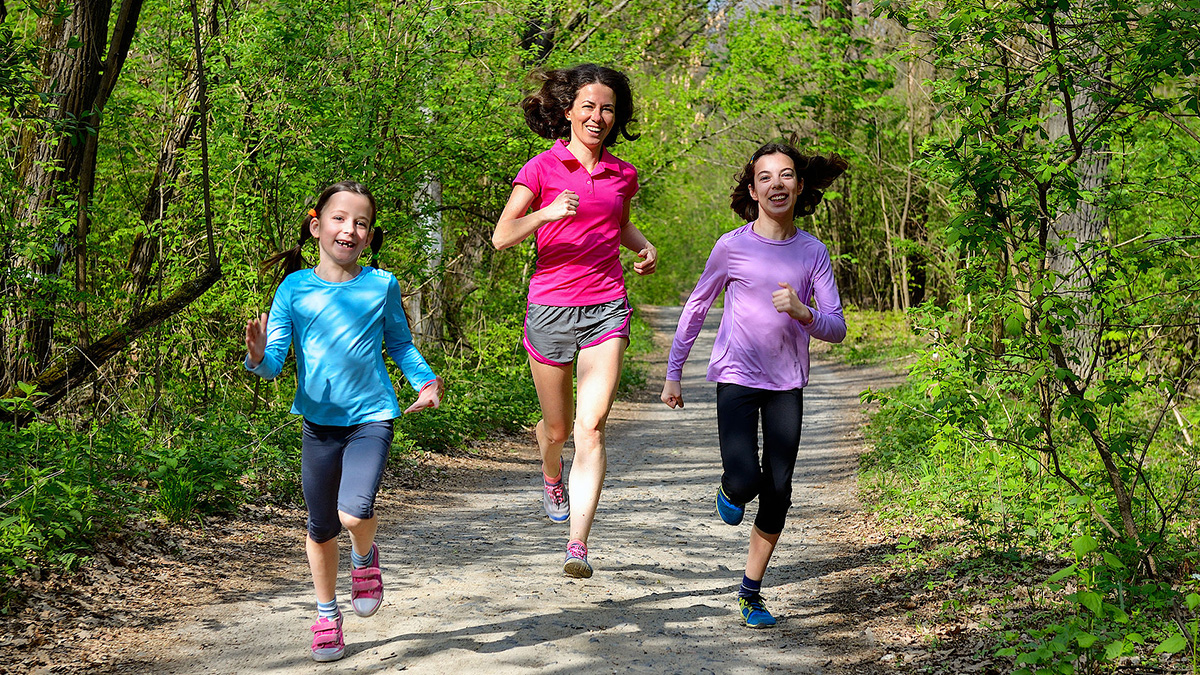
The top five sports most loved by Australians include walking, gymnasium (containing aerobic dance), jogging and running, swimming and diving, and cycling. All have changed as a result of the pandemic.
Australian sports product market:
The COVID-19 pandemic has had an unprecedented impact on global medical, social and economic conditions. To control the epidemic, most countries/regions enforce lockdowns, forcing people to change their lifestyles. Affected by the epidemic, parks, gymnasiums, and other public sports venues have been closed, and people have been forced to reduce their physical fitness opportunities.
Affected by the natural and cultural environment since childhood, Australians like a variety of outdoor leisure activities, and the average family also pays great attention to various sports activities. Schools or communities in various places often organize local sports clubs, with different sports events throughout the year that people can participate in. Citizens can also participate in various regional (community) clubs or engage in a variety of sports activities such as golf, tennis, cricket, rugby and swimming, surfing, diving, windsurfing, boating, and other water activities. Australians are not hesitant to spend on health and leisure activities. Apart from their natural passion for sports, most people are overweight, so the various fitness centers in Australia are very popular. Fitness clubs and slimming centers are expanding one by one. And the construction of swimming pools, various sports facilities, and venues continues to increase.
Because Australia’s consumer goods manufacturing industry has always been affected by its domestic industrial development and high labor costs, most of its products on the market are imported from abroad, including leisure sports products and fitness equipment. Its domestic products account for less than 30% of the national market. Most of the products sold in the market still come from foreign suppliers. Except for the bulky swimming pool products, the import ratio is higher than 85% on average.
Overview of the changes in the lives of Australians in the post-epidemic era:
The impact of the epidemic has changed people’s lifestyles, work patterns, and even interpersonal relationships and interaction patterns. Measures taken to lock down cities and countries in response to the epidemic have had a profound impact on individuals' bodies and minds. The economy is the concern of most Australians in the post-epidemic era. 40% of households are adapting to the decline in income. Among them, the Z generation (born between 1996 and 2012) and the millennial generation (born between 1980 and 1995) are the most affected and have low confidence in the recovery of the economy. The changes in thinking of Australians in the post-epidemic era are as follows:
- More socially conscious values:
- Products that tend to support local producers/manufacturers
- Willing to help others through the consumption
- Changing the focus of life:
- Pay more attention to family life
- Take into account multiple roles and integrate work, family, and social life
- Pay attention to health and hygiene habits:
- Adopt a variety of methods to strengthen one's immunity, including more exercise and avoiding the use of public resources
- More cautious shopping options:
- Follow restrictions and change shopping methods. All product supply sources, and infection risks must be included in shopping considerations
- Consumers tend to choose products more carefully to avoid transaction disputes
- E-commerce:
- Consumers are forced to switch from physical shopping to online consumption
- Online consumption makes up for the loss of not being able to go shopping
An overview of the impact of the post-epidemic era on the Australian sports goods market
- In addition to outdoor activities, most Australians use gyms to exercise. However, due to the epidemic, gyms have been closed and consumers have switched to simple gyms at home, resulting in a 170% increase in sales of fitness equipment, including yoga mats, weight training kettlebells, barbell plates, dumbbells, etc. These are all hot-selling commodities, but the revenue of Australian gyms is declining month by month.
- Due to the high domestic manufacturing and labor costs in Australia, sports-related products on the market are mainly imports, and local products account for less than 30% of the market. Despite the surge in sales of fitness equipment in Australia, due to the impact of high or delayed overseas manufacturing and logistics costs, the sports goods market suffered considerable impact from 2019 to 2020. Overall value of sports goods imports is still declining. Other imported fitness equipment products and outdoor sports products include water skis, surfboards, and other water sports equipment.
Sports goods popular in Australia in the post-epidemic era:
The top three sports products in Australia are water sports/snow sports/skating equipment, fitness equipment, and camping equipment.
- Water sports, snow sports, and skating equipment account for 25.1% of the total revenue of the sports goods market. These items include surfboards, water skis, snowboards, snowboards, sleds, skateboards, skates, etc. In the past five years, the sales of these products has increased significantly, making them with the largest revenue share of the sports goods market. A recent report pointed out that in the past, most of these products were used for lease, but as these sports gradually became popular, consumers chose to purchase the equipment on their own, which also led to a high rise in sales.
- Fitness equipment accounts for 20% of the total revenue of the sports goods market. Yoga mats, treadmills, exercise bikes, boxing, and weight training equipment, etc. has had a slight decline in market revenue in the past five years. Although the revenue increased due to the epidemic in 2020, the suspension of most gyms, coupled with high import logistics costs and other factors, still inhibited the sales growth of these products.
- Camping equipment accounted for 16% of the total revenue of the sports goods market. This included tents, sleeping bags, camping cookware, and other camping accessories. The purchase of camping equipment is usually seasonal, and sales peak during the school summer vacation. In the past five years, the government’s active improvement and investment in camping sites have indirectly stimulated the sales of camping products. For example, the Victorian government announced a series of favorable policies, including investing 105.6 million Australian dollars to build and upgrade campsites in the state, waiving camping fees for 500 campsites, and halving camping fees for state and national parks.
Opportunities and transformation suggestions for Taiwan's sports goods industry in the post-epidemic era:
- For Taiwanese companies who want to have a comprehensive and in-depth understanding of the Australian sports goods market, cooperating with local manufacturers and exchanging information is the most effective method. In addition, the Australian sports equipment product market has a fixed product and marketing model. When introducing product strategies to enter the Australian market, understanding the conservative market characteristics and local consumption habits will be the key.
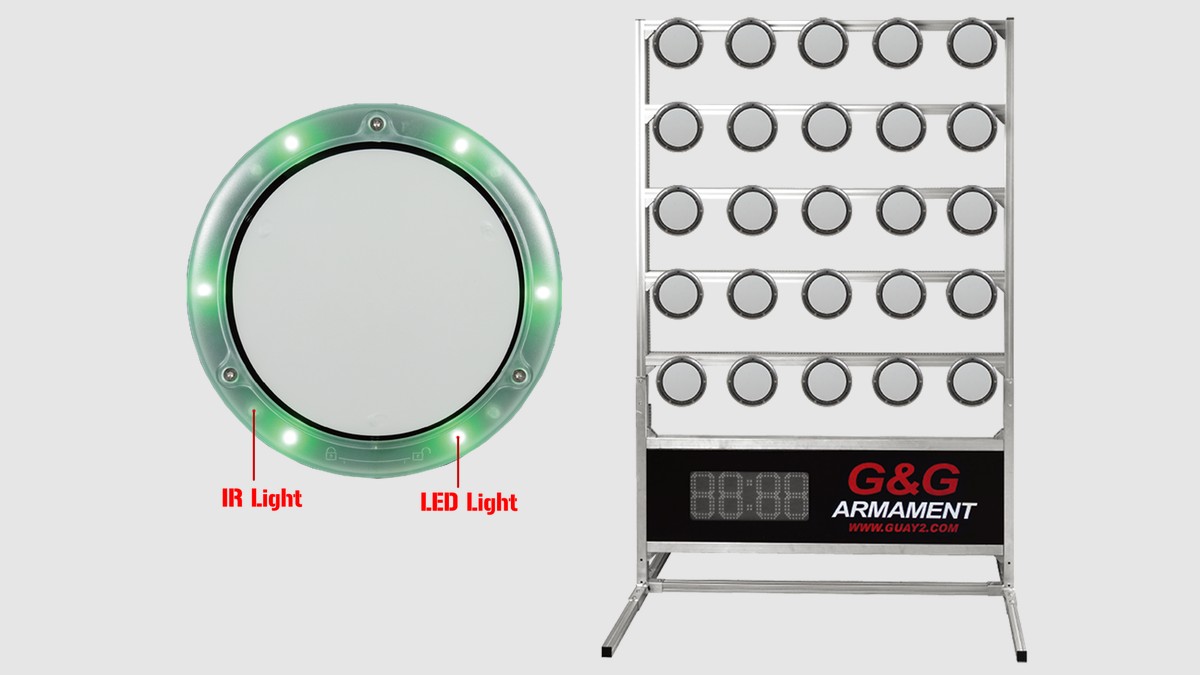
- Fitness equipment (such as treadmills, rowing machines, electronic dart targets, high-end inline skates), golf products (clubs, ball heads, ball bags), water sports equipment (foam surf suits, wetsuits), and fishing gear are all products that Taiwan has strong manufacturing capabilities in. Although they do not have a high market share in Australia, their quality is quite affirmed. There is also a clear market segment for Chinese products that are sold in low-priced, mass-market chain stores. The next step for Taiwanese companies interested in expanding the market should be to strengthen their brand awareness.
- Due to the small scale of the Australian market, most exhibitions combine both professional and consumer participation. Not only can manufacturers contact local distributors, wholesalers, agents, and chain operators, but they can also build a brand image with consumers.