Affected by the COVID-19 epidemic, the total sales of the sports goods market from February to June 2020 was 837.8 billion won, a 40% decrease compared to the same period in 2019, and the number of private sports industry companies also decreased by 28.6%, 2020. South Korea’s overall sports market was a year of decline.
With the development of the COVID-19 epidemic, Korean people’s lifestyles and sports patterns have also changed. In the past, Korean people used to exercise in indoor gyms, and gyms responded after the epidemic prevention level was upgraded. The policy was temporarily closed, and people turned to outdoor sports, especially the number of people riding bicycles increased significantly. In addition, outdoor golf has gradually become popular in South Korea, which has also led to an increase in the market demand for golf products.
Overview of the changes in Korean people's lives in the post-epidemic era
People’s lives in South Korea have changed with the government’s epidemic prevention policies. The General Administration of Anti-epidemic Diseases of Korea has roughly divided the epidemic into several stages: life prevention level 1, regional epidemic level 2, and national epidemic level 3. Additions to epidemic prevention and control include the following lifestyle changes:
- Real-name system:
According to the real-name system policy of the Korean government’s mandatory registration list, people must first register their personal information when going to various public places. To speed up the efficiency of real-name registration, South Korea adopts the method of scanning QR CODEs. Therefore, now when people go to major public places, they need to take out their mobile phone and scan a QR CODE for real-name registration. Although the real-name system can cause trouble for people, the government can use the real-name system to ensure that the infected people can be traced when the epidemic spreads. People who may be infected are notified to conduct inspections as soon as possible to prevent the spread of the epidemic.
- The demand for food delivery and express delivery has increased rapidly:
Due to the epidemic, to reduce the possibility of infection caused by contact with other people when going out, the proportion of people going to restaurants and shopping out has decreased. Instead, the demand for food delivery, online shopping, and express delivery has increased.
- Changes in the type of leisure and entertainment venues:
In the past, indoor entertainment venues such as Internet cafes, KTVs, cinemas, gyms, etc., were frequently visited by people. Later, because of concerns about the spread of the epidemic in closed places, people gradually turned to outdoor recreational places, such as mountain climbing and camping. In terms of sports facilities, the gym has also been adjusted due to the increase in the level of epidemic prevention. People must measure their body temperature when entering the gym and wear masks throughout the exercise.
The impact of the post-epidemic era on the Korean sporting goods market:
- Since the Korean government began to implement the social distancing prevention policy, the sports goods market and sports service market sales have been hit hard. As of now, the sales of sports goods in Korea in 2020 will be 216.2 billion won, a decrease of about 54% from 469.7 billion won in the same period in 2019. Sports service sales amounted to 81.2 billion won, a decrease of approximately 52% from the previous year’s 169.3 billion won.
- From before the outbreak of the epidemic to the present, the number of employees in the sports industry has decreased from about 457,000 in January 2020 to about 422,000 in April, and the number of private sports industry enterprises has decreased by 28.6%. Although the Korean government continues to support the sports industry, the difficulties faced by the sports industry continue to increase due to the spread of the COVID-19 epidemic.
Sports goods popular in Korea in the post-epidemic era:
-
Sportswear:
Based on the fear of infection and the social safety distance implemented by the Korean government, and the closure of indoor sports venues such as gyms due to the epidemic prevention stage, the public began to shift their sports preferences to outdoor sports with open fields or in their own homes. Affected by the epidemic, home office and decentralized office work is becoming more and more common. Due to factors such as the closure of the gyms, there has been an increase in the public’s attention to, and love for sportswear, because they can be used as home work clothes, and as daily home clothes at the same time. Sales of men's sportswear suits in March 2020 increased by 100% compared to 2019. In addition, sales of caps that can be easily worn when going out also increased by 402%. Sales of women's leggings, sweatpants, and loose T-shirts also increased by 116%, 103%, and 82%, respectively. With the continuous development of the epidemic, sports such as yoga, fitness, and home training that can be performed at home are generally popular, so the demand for sportswear has also increased.
-
Golf:
Due to the impact of COVID-19, people are unable to go abroad to play golf at will. Coupled with restrictions on indoor sports, the current domestic golf market demand in South Korea has greatly increased. Because people are unable to go abroad to play golf, more people are turning to outdoor golf, so the sales of golf equipment has increased by 22.4% compared to the same period in 2019. Among these golf equipment items, sales of drivers increased by 40.3%, woods increased by 25.6%, irons increased by 11.8%, golf bags increased by 26.4%, and golf balls increased by 25.4%.
-
Bicycle:
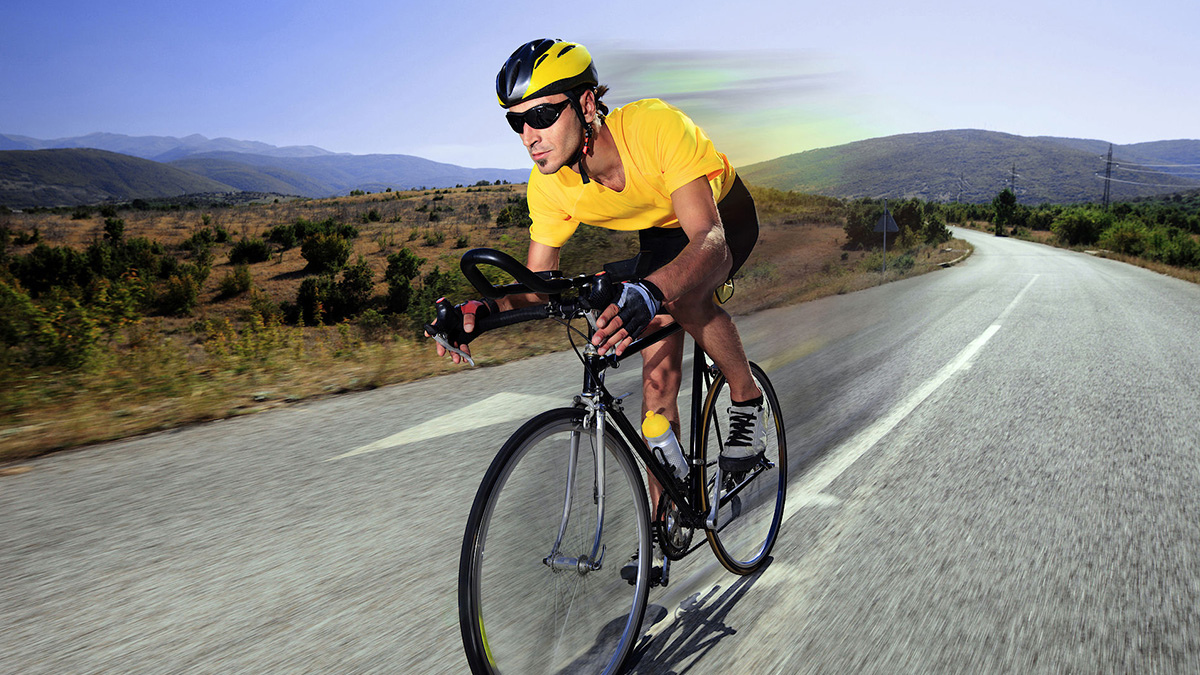
Non-contact sports such as bicycles are gaining popularity in Korea. Cycling is a sport that can be enjoyed alone, and it is also a sport that can reduce intensive contact with people in open areas. Due to fear of infection, when taking public transportation, bicycles are also used as a way to commute to work during the epidemic. From May to July 2020, bicycle sales grew by 25% compared to the same period in 2019. In past years, the demand for bicycles is usually only concentrated in the spring. However, due to the impact of the COVID-19 epidemic, the demand for bicycles in 2020 will continue to increase significantly. Product sales for bicycle related products such as bicycle oil, tools, pumps, patches, spare parts, and other related items increased by 169%, and sales of safety equipment such as helmets and backpacks also increased by 119%.
Korean sports and leisure clothing sells well
The Korean sportswear market continues to grow, and sports casual wear is a new trend in the market, prompting domestic and foreign brands to actively expand their marketing scope. Market competition is becoming increasingly fierce. Outdoor clothes based on mountaineering use have become popular in Korea. Most Koreans love to wear mountaineering clothes whether they are engaged in sports or daily life. Based on these market characteristics, some large apparel companies have established subsidiaries that specialize in outdoor apparel, and have made considerable profits.
Opportunities and transformation suggestions for Taiwan's sports goods industry in the post-epidemic era:
-
Focus on promoting the export of bicycles to South Korea:
Since the spread of the epidemic, the demand for bicycles in the Korean market has greatly increased. Bicycles are the most popular sporting goods item that Taiwan has continued to promote in South Korea. Before the outbreak, Taiwan and South Korea had close industrial cooperation. In 2018, Taiwan exported more than 25,000 bicycles to South Korea, with a total value of more than 28 million U.S. dollars. Taiwan bicycle manufacturers can see the business opportunities brought about by the epidemic and contact Korean bicycle importers to promote Taiwan's high-quality bicycle products to South Korea.
-
Cooperating with major manufacturers to increase visibility:
The Korean sports goods market is mainly dominated by well-known brands. Small brands with no well-known names have difficulty directly competing with well-known big brands. However, Taiwan is a major world supplier of functional fabrics. Taiwanese manufacturers can use their excellent OEM experience to compete in the sports market. Brands name suppliers can cooperate with manufacturers to supply high-quality, high-function fabrics for use in brand name products. Cooperating with major brands, you give suppliers more chances to appear in front of consumers and increase visibility. After the epidemic, when restrictions are removed, Taiwanese manufacturers can again introduce and promote products at sports product exhibitions to increase their visibility in Korea. This will increase cooperation with Korean agents and open up South Korea's market opportunities.