The Development Trend of the Sports Industry in Japan
Since 2019, Japan has hosted international sports events such as the World Rugby Games and the Tokyo Olympics, which indirectly sparked an upsurge in sports and fitness for all age groups. According to a survey report on the Japanese sports market, the size of the sports market in 2019 was ¥2250.4 billion.
Published: Dec 22, 2021
Japan sports market
Driven by the 2020 Tokyo Olympics, the Japanese sporting goods market will continue to grow steadily. Taiwanese businessmen should strengthen the trust of the Japanese people in Taiwanese products to expand their sales in the Japanese market.
Japan is the world's second-largest consumer market for sporting goods, second only to the United States, and it is quite popular for the general public to promote physical health or bodybuilding through exercise. From 2015 to 2016, the Japanese sports goods market grew by 2.3% to 1,428,660 million yen. Japan’s hosting of the Olympic Games in Tokyo in 2020 also helped promote the participation of all people in sports and drove the steady and sustained growth of the sports goods market in Japan.
Overview of the changes in the lives of Japanese people in the post-epidemic era:
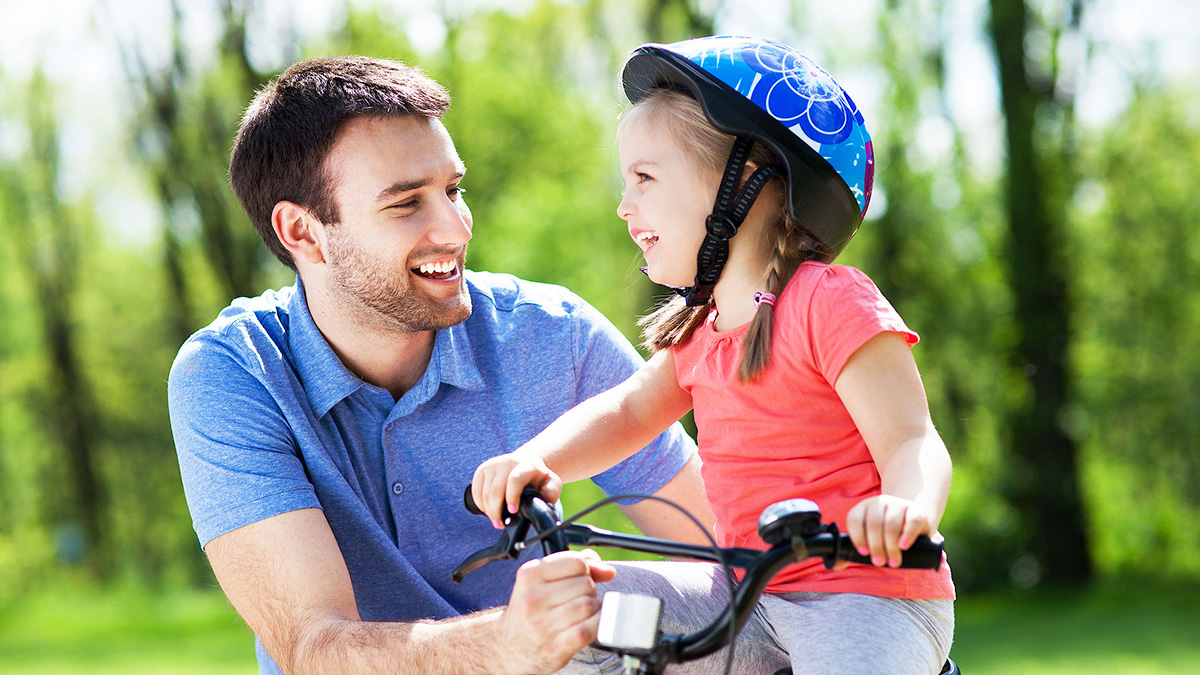
- To prevent the spread of COVID-19, the Japanese government announced an emergency declaration. Since then, the number of Japanese people using gyms and other indoor sports venues has plummeted, and the people have avoided getting involved in confined spaces as much as possible. Therefore, Japanese people began to regularly participate in outdoor recreational sports. They reduced the use of gymnasiums and switched to outdoor jogging. They also switched from commuting by tram to cycling or walking to work, and increased outdoor recreation activities such as camping and mountaineering.
- The turnover of Japanese gym clubs decreased by 40% to 80% compared to the same period before the pandemic. Gyms are facing the suspension of business or shortened business hours. Although gyms have resumed normal business operations, prudent Japanese people still have doubts about the confined space, which has caused gym clubs to suffer sustained blows.
- The turnover of Japanese bicycle dealers has seen a growing trend. There is increased growth in the quality and quantity of bicycle sales in Japan.
- During the epidemic, some people began walking and running for exercise, and expressed their hope to maintain slow walking and jogging as normal exercise. In addition, because of the epidemic, more people have begun to exercise and pay more attention to exercising. They believe that maintaining good exercise habits has a positive impact on mood and health. Therefore, it can be predicted that the interest in running will continue to rise in the future in Japan.
An overview of the impact of the post-epidemic era on the Japanese sports product industry:
- The spread of the COVID-19 epidemic has forced the postponement, suspension, or self-regulation of domestic and international sports events originally scheduled in Japan. The delay in opening of various competitive sports and the opening of primary and secondary schools, comes at the peak season for sports goods sales. Due to the shutdown of factories at home and abroad, the overall supply chain is broken, and due to the strict self-discipline of Japanese consumers when going out, the market size has been greatly reduced.
- Using a combination of virtual and physical stores, E-commerce has strengthened market expansion. E-commerce turnover also expanded smoothly, mainly due to increased demand for outdoor products such as sportswear.
- The sales growth of e-commerce is higher than that of physical stores. From February to May of 2020, the overall market size of sports shoes declined by 13% compared with the same period in 2019, and sportswear declined by 14%. In physical stores sales of sports shoes decreased by 22%. Sportswear decreased by 25%. E-commerce sales of sports shoes bucked the trend and increased by 4% (walking shoes increased by 13%, jogging shoes increased by 6%). Sales of sportswear increased by 5%.
Sports goods popular in Japan in the post-epidemic era:
- Being confined to the home, Japanese people have become deeply aware of the importance of sports and have become more active in sports. Due to the closure of gyms, to avoid confined indoor environments, people are jogging, walking, and biking. According to the results of a market survey, most Japanese people enjoy cycling, outdoor sports or exercising at home to relieve stress.
- Businesses have switched to providing home fitness services. Instructors provide online teaching courses such as home yoga, aerobic dance, and stretching through online software. Products such as yoga mats, fitness balls, and sports masks for jogging have become very popular with consumers, and sales have increased.
- Fitness online teaching services were launched during the epidemic, and the number of online members on various sports and fitness platforms has also increased significantly. In addition to various online courses, some companies have also launched 5-minute ultra-short time teaching classes for consumers that can be watched at any time during the day.
- Home and outdoor sports products are gradually opening up the market, with domestic shipments of approximately 159 billion yen. Product demand will continue to be dominated by sports shoes, outdoor products, and indoor and outdoor sportswear.
Opportunities and transformation suggestions for Taiwan's sports product industry in the post-epidemic era:
- The rising health awareness in Japan has led to the trend of jogging, which has led to an increase in the sales of jogging shoes and related sportswear, including the sales of mid-to-high-end high-priced products. In addition, many retired baby boomers have started climbing, and mountaineering products have become very popular. Sportswear demand is also different from the past. The boundary between sports and leisure clothing is becoming more and more blurred. The mix and match style of popular sports and leisure, both practical and popular clothing, gives people a vibrant impression. It is recommended that Taiwanese sportswear manufacturers focus on this market trend.
- Due to the epidemic, people’s home time has become longer. Japan’s imports of indoor fitness equipment from April to June 2020 increased by 21.1% over the same period in 2019. With fitness equipment products becoming more popular, and because the living space of Japanese families is small, it is recommended that Taiwanese manufacturers actively develop small fitness products with high added value. Because consumers are urged by the government to avoid entering confined spaces as much as possible, outdoor activities, such as camping, are more popular than ever. The tent import report shows that from January to July 2020, the import value of tents increased by 2.4% over the same period in 2019, indicating that the outdoor camping market continued to expand. Traditional camping often involves a lot of work, such as washing, setting up camping equipment, preparing, and extinguishing fires, cooking etc., so the industry has introduced new services to provide a comfortable camping environment called “Glamping” (Glamour Camping). It is recommended that Taiwanese manufacturers develop exquisite camping appliances that are more convenient for consumers to use.
- More and more of the baby boomer generation has been retiring, and the number taking up mountaineering has increased dramatically. In addition to the elderly, climbers include middle-aged people who want to maintain their health. There is a demand for comfortable mountaineering products, such as cold-proof clothing, socks, and shoes. The elderly in Japan have a special affection for Taiwan. It is recommended that you create brands of mountaineering products that are combined with the tourism industry. Taiwan can provide mountaineering package itineraries that include activities suitable for the elderly’s physical strength, along with products for climbers, hikers, or event organizers. In addition, in Japan, disaster prevention is currently becoming a topic of concern. It is recommended to develop products that can be used in daily leisure and can be quickly converted into disaster prevention products, such as camping bedding with fire prevention, mobile phone chargers, lamps, and hats with GPS positioning function etc.
Published by Dec 22, 2021
Source :taiwantradeshows