Why TPE Yoga Mats Are Becoming the Preferred Choice in Modern Wellness Manufacturing
In the rapidly evolving fitness and wellness industry, the choice of materials is no longer just about aesthetics, it is about performance, health safety, and environmental responsibility. For procurement officers, studio owners, and brand managers, understanding the nuances of yoga mat materials is critical to maintaining a competitive edge and ensuring user satisfaction.
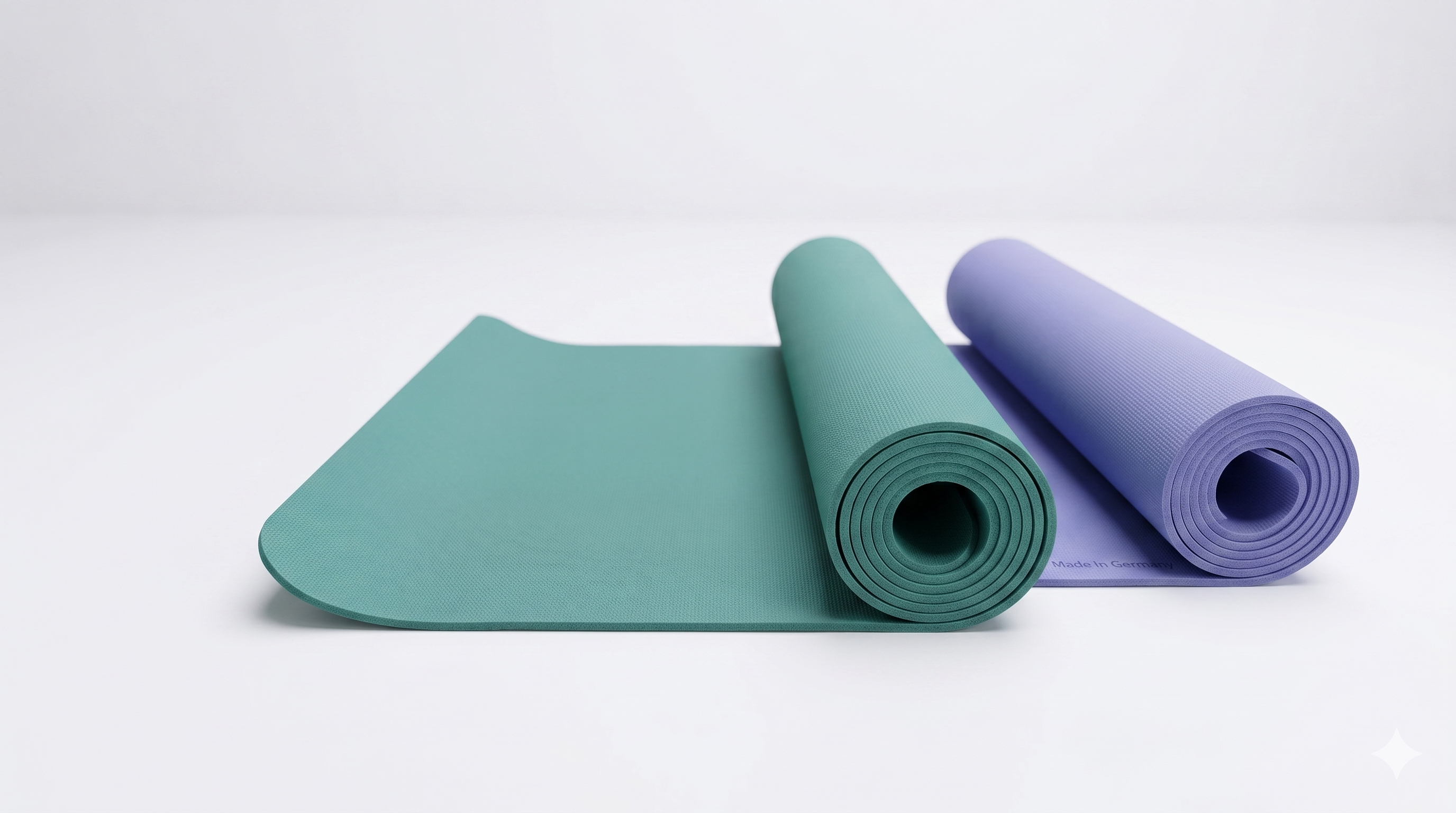
Among the various materials available today, TPE (Thermoplastic Elastomers) has emerged as a frontrunner, bridging the gap between low-cost PVC and high-end natural rubber. But what exactly is a TPE yoga mat, and why has it become the gold standard for eco-conscious manufacturing? This article provides a deep dive into the physical properties, pros and cons, and strategic advantages of TPE mats from a professional manufacturing perspective.
1. Defining TPE: The Science Behind the Material
TPE, or Thermoplastic Elastomers, is a class of copolymer materials or a physical mix of polymers (usually a plastic and a rubber) that consist of materials with both thermoplastic and elastomeric properties. Unlike traditional vulcanized rubber, TPE can be processed through heat and pressure, making it highly versatile for manufacturing.
From a manufacturing standpoint, TPE is often referred to as a "synthetic rubber" because it mimics the elasticity of natural rubber while being easier to process. It is typically made from a combination of plastic (like polypropylene or polyethylene) and rubber, processed using injection molding or extrusion.
Key Chemical Advantages for Yoga Mats:
-
Non-Toxic Composition: Unlike PVC (Polyvinyl Chloride), TPE does not require phthalates or heavy metals to achieve flexibility.
-
Hypoallergenic: It is naturally latex-free, making it safe for users with sensitive skin or allergies.
-
Recyclability: Because it is a thermoplastic, TPE can be melted down and re-molded, significantly reducing industrial waste during the production cycle.
2. Physical Properties: Why TPE Outperforms Traditional Alternatives
When sourcing for a professional brand or a high-traffic yoga studio, the physical performance of the mat is the primary pain point. A mat that slips or loses its shape within months is a liability. TPE addresses these concerns through its unique molecular structure.
Superior Grip and Traction
One of the most praised features of TPE is its high-friction surface. TPE mats often feature a "closed-cell" structure. This means the material does not absorb sweat, which allows the surface texture to remain grippy even during intense sessions. For practitioners, this translates to better stability in poses like Downward-Facing Dog.
Resilience and Rebound (The "Bounce Back")
In the industry, we often discuss "compression set." This refers to how well a mat returns to its original thickness after being compressed by a hand or foot. TPE offers exceptional rebound. While PVC can feel "mushy" and natural rubber can feel too firm, TPE provides a balanced cushioning that protects joints while offering a stable foundation for balancing poses.
Weight-to-Density Ratio
For wholesale buyers, shipping costs are a major factor. TPE is significantly lighter than natural rubber (often 40-50% lighter for the same thickness) without sacrificing durability. This makes it the ideal material for "travel mats" or for studios that need to move equipment frequently.
3. Comparing TPE with Other Popular Materials
To help procurement professionals make informed decisions, it is essential to compare TPE against the industry's other heavyweights: PVC and Natural Rubber (PU/Rubber).
The following table outlines the technical and commercial differences between these materials.
| Feature |
TPE (Thermoplastic Elastomer) |
PVC (Polyvinyl Chloride) |
Natural Rubber / PU |
| Eco-Friendliness |
High (Recyclable, Non-toxic) |
Low (Non-recyclable, Phthalates) |
High (Biodegradable) |
| Weight |
Very Light |
Moderate |
Heavy |
| Grip/Traction |
Excellent (Dry) |
Moderate (Slippery when wet) |
Superior (Wet & Dry) |
| Durability |
Moderate to High |
High |
Very High |
| Odor |
Minimal/Neutral |
Chemical/Plastic smell |
Strong Rubber smell |
| Price Point |
Mid-range |
Low-range |
High-range |
| Hypoallergenic |
Yes |
Generally Yes |
No (contains Latex) |
Analysis of the Comparison
As shown in the table, TPE sits in the "sweet spot" of the market. It offers the environmental benefits of natural rubber without the high price tag and heavy weight. For businesses looking to scale, TPE provides a premium feel that justifies a higher retail price than PVC, while keeping shipping and manufacturing costs manageable.
4. The Manufacturer's Perspective: Quality Control in TPE Production
Not all TPE mats are created equal. The quality of a TPE mat is heavily dependent on the foaming process and the ratio of raw materials used. This is where choosing a reputable TPE yoga mat manufacturer becomes critical for business owners.
A professional manufacturer ensures that the TPE is processed using "closed-cell technology." This prevents moisture, sweat, and bacteria from penetrating the mat's core. For commercial gym owners, this is a massive hygiene advantage, as the mats are easier to sanitize and do not develop odors over time.
Furthermore, leading manufacturers like Successful Mat focus on dual-layer construction. By using thermal bonding (rather than toxic glues) to fuse two layers of TPE with a middle mesh (scrim), they enhance the mat's tear resistance. This addresses a common pain point: TPE mats of lower quality can sometimes stretch or tear under high tension.
Successful Mat distinguishes itself by offering customized TPE solutions that prioritize:
* Anti-Tear Technology: High-density mesh integration to prevent stretching.
* Custom Textures: Proprietary patterns that maximize skin-to-mat friction.
* SGS Certification: Ensuring all products meet global safety standards for REACH and RoHS.
By partnering with a manufacturer that understands the chemistry of TPE, brands can avoid the "cheap foam" reputation and instead offer a product that competes with high-end fitness brands.
5. Addressing Common Pain Points for Procurement and Owners
Pain Point 1: The "New Mat Smell"
Many customers complain about the pungent chemical smell of new mats. PVC mats off-gas VOCs (Volatile Organic Compounds), and natural rubber mats have a distinct sulfur-like odor. TPE is virtually odorless. For studio owners, this means you can unpack a new shipment and use them in a class the same day without needing to "air them out."
Pain Point 2: Sustainability Claims
In an era of "greenwashing," procurement officers need verifiable eco-credentials. TPE is a favorite because its production uses less energy than many other plastics, and the scraps from the manufacturing process can be immediately recycled back into the production line. This aligns with Corporate Social Responsibility (CSR) goals for large-scale buyers.
Pain Point 3: Maintenance and Longevity
How long will the mat last? While TPE is biodegradable over a long period if buried in soil (a plus for the environment), it is highly durable for indoor use. It does not crack or peel like cheap PVC. For businesses, this reduces the "replacement cycle" cost.
6. How to Care for TPE Yoga Mats (Professional Guidelines)
To maximize the ROI on your inventory, proper maintenance is key. Because TPE is closed-cell, maintenance is simpler than with open-cell PU mats.
-
Avoid UV Exposure: TPE is sensitive to prolonged direct sunlight, which can cause the material to break down (biodegrade) prematurely. Store mats in a cool, shaded area.
-
Mild Cleaning Agents: Use a mixture of water and a few drops of mild dish soap. Avoid harsh chemicals or bleach, which can damage the TPE surface structure.
-
Air Dry Only: Never put TPE mats in a dryer. Simply wipe them down and let them air dry before rolling them up.
7. FAQ: Expert Answers for Industry Professionals
Q1: Is TPE truly biodegradable?
A: Yes, under specific environmental conditions (such as being buried in soil with high microbial activity), TPE will degrade significantly faster than PVC, which can take centuries. However, during normal indoor use, it remains stable and durable for years.
Q2: Can TPE mats be customized with brand logos?
A: Absolutely. Professional manufacturers like Successful Mat offer various branding options, including laser engraving and embossed logos. Laser engraving is preferred for TPE as it doesn't involve inks that might peel or wear off.
Q3: How does TPE handle "Hot Yoga"?
A: TPE is excellent for moderate sweat. However, because it is closed-cell (non-absorbent), very heavy sweat may pool on the surface. For Hot Yoga, it is recommended to pair a TPE mat with a yoga towel to provide the necessary moisture absorption while maintaining the mat's cushioning.
Q4: What is the ideal thickness for a TPE mat?
A: For most commercial and retail purposes, 6mm is the industry standard. It provides enough cushioning for floor work (knees and spine) while remaining light enough for easy transport.
Q5: Is TPE safe for children and pregnant women?
A: Yes. High-quality TPE is free from PVC, phthalates, BPA, and latex. It is widely considered one of the safest materials for any user group, including those with sensitive respiratory systems.
8. Conclusion: The Strategic Choice for Your Brand
Choosing the right material for yoga mats is a balance of performance, cost, and ethics. TPE represents the most balanced choice for today’s market. It provides the "sticky" grip and resilient cushioning that practitioners demand, the lightweight and low-odor profile that studio owners love, and the eco-friendly credentials that modern consumers expect.
For businesses looking to source high-quality TPE products, focusing on the manufacturing process is paramount. Companies like Successful Mat provide the technical expertise and quality assurance necessary to move beyond generic products and build a brand synonymous with quality and health.
As the fitness industry continues to pivot toward sustainability, TPE is not just a trend—it is the foundation of a responsible and profitable product line.

.jpg)
.jpg)