For OEM service teams and distributors, knowing when a hydraulic vane pump may be rebuilt with a vane pump cartridge kit rather than replaced outright can help reduce repair cost and equipment downtime.
Why Hydraulic Vane Pumps Wear and What Full Replacement Really Costs
A hydraulic vane pump is a precision assembly built around close tolerances: a rotor spins inside a cam ring while spring- or pressure-loaded vanes slide in and out of rotor slots, sealing against the ring's internal profile to displace fluid. That precision is also what makes contamination and poor operating conditions damaging. In a 2007 field-repair overview, MRO Magazine reported that more than 80 percent of vane-pump and motor failures could be traced to dirty hydraulic fluid. Contaminated oil can mark vanes, damage ring surfaces, and groove shaft-seal diameters. Cavitation is another major damage mechanism; the MRO article identifies air leaks, reservoir problems, restricted inlet flow, high water content, and excessive pump speed among its possible causes.
For OEM service teams supporting injection molding presses, machine tools, or mobile hydraulic power units, wear can show up as declining volumetric efficiency, lower flow output, increased internal leakage, higher operating noise, or loss of pressure under load. A cartridge rebuild may reduce replacement scope when the housing, shaft, mounting flange, and ports remain within specification, but that decision requires inspection. A damaged housing bore, shaft, port, or mounting surface can make full pump replacement more appropriate.
Inside the Vane Pump Cartridge Kit: A Pump Rebuild Guide for Service Technicians
A vane pump cartridge kit is a matched replacement assembly for the pump's internal pumping group, rather than a collection of unrelated spare parts. The exact contents vary by pump design and manufacturer, so buyers should confirm the kit bill of materials against the relevant pump model.
| Component | Function |
| Rotor | Spins inside the cam ring, carries the vanes |
| Vanes (and underside inserts on double-acting designs) | Slide in and out of rotor slots, seal against the ring's internal profile to displace fluid |
| Cam ring | Defines the profile the vanes seal against |
| Side plates (pressure/support plates) | Seal the rotating group against the housing on inlet and outlet sides |
| Seal packs | Complete the sealing of the assembled cartridge |
On double vane pumps, a manufacturer's catalog typically separates these into cover end and shaft end cartridge kits, since a tandem pump effectively has two independent pumping sections stacked on one shaft.
The reason cartridge kits are supplied as matched assemblies comes down to the clearances and sealing relationships inside the pump. Mixing a new rotor with a worn ring, or a used side plate with new vanes, can reintroduce the clearance variation the rebuild is meant to eliminate. MRO Magazine's overhaul guidance recommends genuine replacement parts and warns that imitation or "will fit" parts can shorten pump life or damage other system components. Buyers should therefore verify interchangeability, material, dimensions, and manufacturer specifications rather than relying on appearance alone.
A field rebuild generally follows a consistent sequence. The pump is disconnected and removed, and the cover plate bolts are removed after the pump body and cover are marked for correct reassembly orientation. The cartridge assembly is then slid out of the housing as one unit. Technicians typically scribe a reference line across the outer surface of the old cartridge before disassembly, then work through the support plates, seal packs, cam ring, and finally the rotor and vanes, keeping the vanes in their original order for inspection even though they will usually be replaced. On reassembly, all sharp edges on the new cartridge kit should be stoned, components should be coated in clean hydraulic fluid before fitting, and a critical final check is confirming the rotor turns freely inside the assembled cartridge with no binding before the pump is closed up and returned to service.
The inspection triggers that justify this process rather than continued run-to-failure include a measurable drop in flow or pressure output, rising noise or cavitation-like whine, increasing internal leakage, slower cycle times on the driven equipment, and visible damage during teardown. MRO Magazine identifies marked or frosted vanes, grooved shaft-seal diameters, and damaged ring surfaces as signs associated with dirty fluid. Tolerances should be checked against the pump manufacturer's specification sheet using appropriate metrology, such as micrometers, bore gauges, and flatness checks, rather than judged by eye. The goal is to restore the clearance relationships the pump was designed around, not simply to exchange parts.
Sourcing a Vane Pump Cartridge Kit: What OEM Service Teams and Distributors Should Check
For OEM service teams and distributors who stock or specify cartridge kits across multiple pump models, sourcing decisions matter as much as the rebuild procedure itself. A few practical checks help avoid the "will fit" problem described above.
First, confirm the kit is matched to the exact pump series and model, not a generic cross-reference. Vane pump cartridge kits are typically organized by series (fixed displacement lines such as IVP, IVPQ, or IVPV, for example) and by configuration (single pump versus double pump, and for double pumps, cover end versus shaft end). Ordering by series and model code, rather than by dimension alone, reduces the risk of a near-miss fit that causes premature wear.
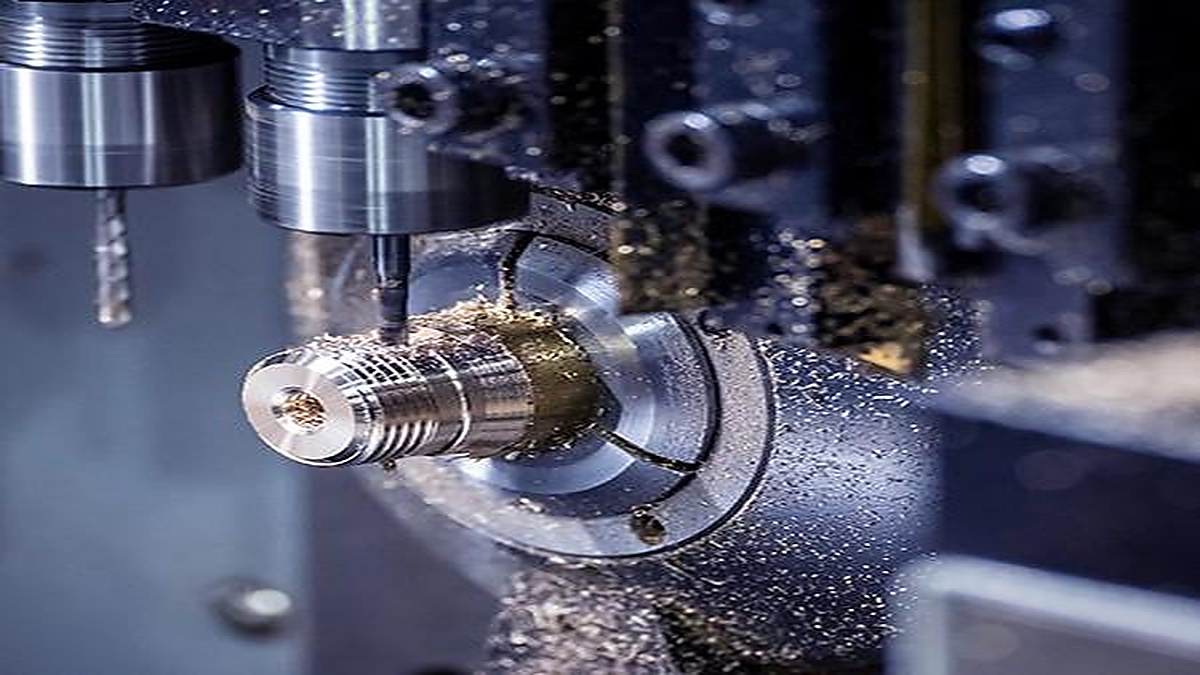
Second, ask how the kit is manufactured and inspected. Precision finishing of the rotor, vanes, and cam ring affects whether the assembly holds its specified clearances under pressure cycling. If a supplier cites CNC multi-profile grinding or final inspection, request the relevant process description, test method, and acceptance criteria rather than treating the equipment list as proof of performance.
Third, weigh lead time and stocking depth against the size of the installed equipment base. Distributors supporting OEM service networks across multiple pump series benefit from suppliers that can commit to consistent lead times on both single and double pump cartridge kits, since an unplanned pump failure rarely waits for a convenient reorder cycle. A supplier that also manufactures the original pump line may have more direct knowledge of its tolerances and design intent, but that capability should still be verified for the specific series being serviced.
ANSON Hydraulics: A Documented Cartridge-Kit Example
ANSON Hydraulics publicly lists single and double cartridge kits for its fixed-displacement vane pump range, alongside its vane pumps and hydraulic power units. Its single-cartridge-kit page states that the kits are intended to reduce repair and remanufacturing time, and that ANSON uses imported CNC multi-profile grinding machines and tests and inspects finished products before shipment.
ANSON's double cartridge kit page provides separate cover-end and shaft-end cartridge-kit references, while its product navigation groups fixed-displacement pumps under IVP, IVPQ, and IVPV series. For buyers, this reinforces the need to match a kit to the exact pump series and model code rather than to dimensions alone.
These pages document ANSON's product offering and stated manufacturing process; they do not establish compatibility with non-ANSON pumps or prove performance for every model. Buyers should request the specific drawing, inspection report format, tolerance data, and application history for the pump series under consideration before ordering at volume.
FAQ
Q: How do I know whether a hydraulic vane pump needs a cartridge kit rebuild or a full pump replacement?
A: If the housing, shaft, mounting flange, and ports remain within the manufacturer's specifications, and the performance decline is consistent with internal wear, a cartridge-kit rebuild may be appropriate. Full replacement becomes more likely when the housing bore, shaft, ports, or mounting surfaces are damaged, when the pump has suffered catastrophic failure, or when the model is being phased out and parts availability is a long-term concern. The final decision should follow teardown inspection and the pump manufacturer's service data.
Q: What tolerances should be checked during a vane pump cartridge kit rebuild?
A: At minimum, verify rotor outer diameter, cam-ring geometry, and side-plate flatness against the pump manufacturer's specification sheet using suitable gauges and measurement methods. After assembly, confirm the rotor rotates freely within the cartridge with no binding; resistance to smooth movement indicates a fit issue that must be corrected before the pump is returned to service.
Conclusion
Cartridge-based rebuilding can be a practical path when the pump housing and external interfaces remain serviceable and the repair is supported by the manufacturer's specifications. It is not a substitute for teardown inspection or specification checks. For OEM service teams and distributors, reliable results depend on contamination control, clear inspection triggers, tolerance-driven assembly, and a correctly matched cartridge kit.
Service teams and distributors evaluating a rebuild kit should request the supplier's drawing, inspection criteria, tolerance data, lead time, and compatibility statement for the specific pump series and model code.





.jpg)
.jpg)