A Practical Guide to Grease Pump Applications, Performance, and Selection
Grease pumps are widely used in maintenance operations where controlled lubrication is required to protect moving parts, reduce friction, and support equipment reliability. In automotive workshops, fleet service centers, agricultural operations, and industrial facilities, these tools help technicians deliver grease more efficiently to bearings, joints, suspension components, and other mechanical parts that operate under load.
Lubrication performance depends not only on the grease itself, but also on the method of application. Different components may require different grease characteristics, pressure levels, and delivery methods. For that reason, grease pumps are commonly selected according to operating conditions, accessibility of lubrication points, grease viscosity, and maintenance frequency.
Why Grease Pumps Matter in Equipment Maintenance
Proper lubrication is a basic requirement in preventive maintenance. When moving components do not receive the right amount of grease, wear can increase, temperatures may rise, and mechanical efficiency can decline. Over time, insufficient lubrication may contribute to seal damage, bearing failure, corrosion, and higher maintenance costs.
Grease pumps are designed to improve the consistency and convenience of grease application. In routine maintenance work, they help technicians apply lubricant with better control and less effort. This becomes especially important in environments where multiple vehicles or machines must be serviced on a regular schedule.
In automotive and industrial applications, the choice of grease pump can affect not only work speed, but also lubrication quality. A pump that matches the application more closely can make it easier to reach difficult points, handle heavier grease, and maintain steady output during servicing.
Main Types of Grease Pumps
Grease pumps are available in several common configurations, each suited to a different maintenance environment.
Air Operated Grease Pumps
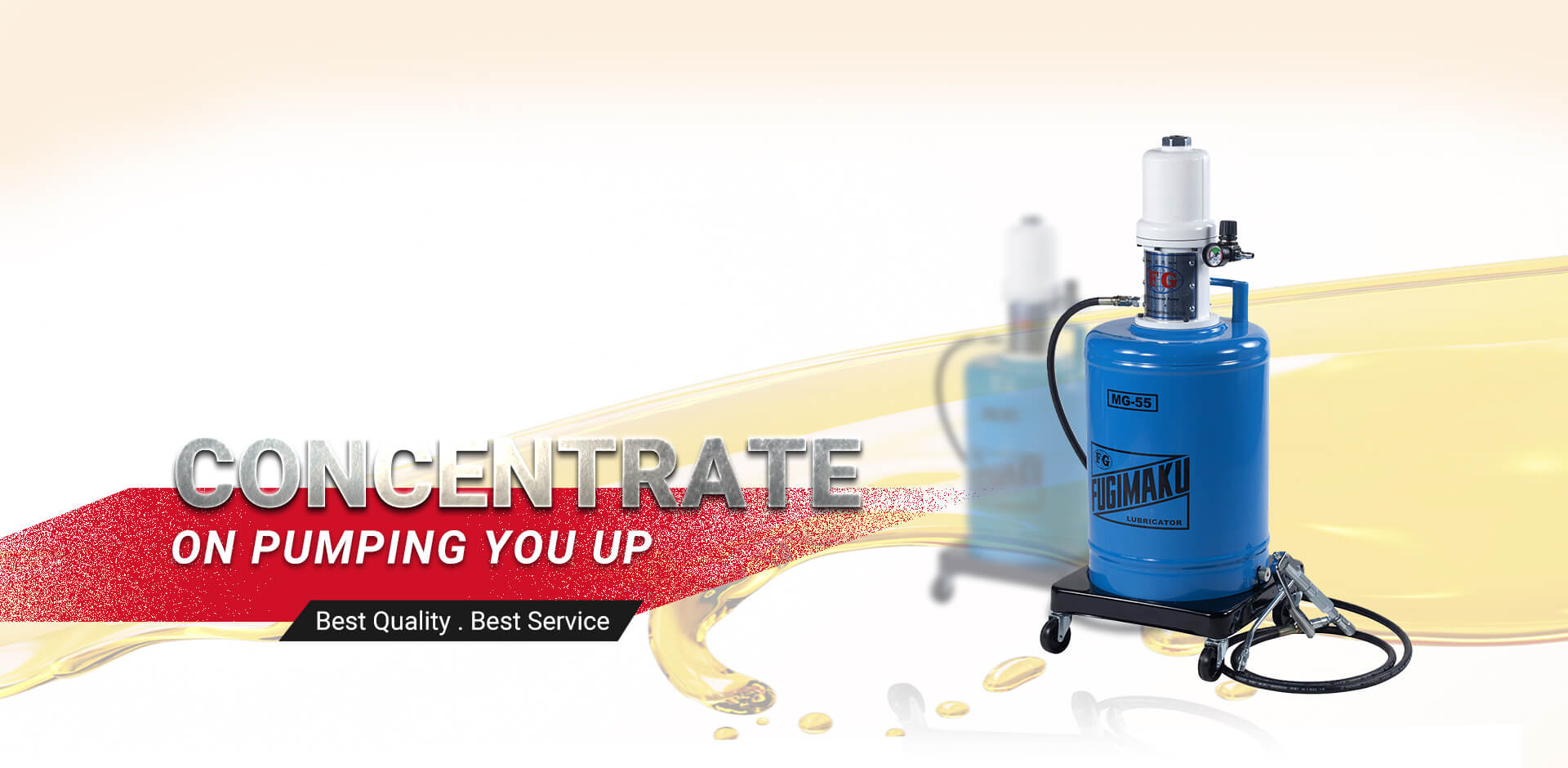
Air operated grease pumps use compressed air to drive grease from the container to the lubrication point. They are commonly used in workshops and industrial maintenance areas where pneumatic systems are already in place.
This type of pump is often chosen for routine service work because it can reduce manual effort and support faster grease delivery. In maintenance settings that involve repeated lubrication tasks, air operated equipment can help improve efficiency and consistency.
Low Noise Air Operated Grease Pumps
Low noise air operated grease pumps are intended for indoor or noise sensitive work environments. In enclosed workshops or service bays, lower operating noise may help improve working conditions while maintaining the practical advantages of pneumatic grease delivery.
These pumps are relevant for facilities that place value on both equipment performance and workplace comfort. They may also be preferred in customer facing service environments where excessive operational noise is less desirable.
High Pressure Pneumatic Grease Pumps
High pressure pneumatic grease pumps are used in applications that require stronger grease output. These pumps are particularly useful when grease must travel through longer tubes or reach difficult to access lubrication points.
In vehicle maintenance and heavy equipment servicing, some joints and components require grease delivery under higher pressure. This can be especially important when working with higher viscosity grease or when the lubrication point is located in a confined or less accessible area. High pressure systems are therefore often associated with demanding maintenance tasks and higher productivity requirements.
Manual Grease Pumps
Manual grease pumps remain a practical option in many maintenance settings. They are typically valued for their simplicity, portability, and independence from compressed air systems.
In garages, smaller repair shops, and field maintenance work, manual pumps offer a straightforward solution for grease application. They are also useful where mobility is important and where lubrication tasks do not require continuous high volume output.
Typical Applications of Grease Pumps
Grease pumps are used across a broad range of maintenance environments because lubrication needs are common in both vehicle service and industrial operations.
Automotive Workshops and Service Stations
In automotive repair and service work, grease pumps are used to lubricate wheel bearings, steering components, suspension systems, and other moving parts. These applications require controlled grease delivery because different components may have different lubrication needs.
Wheel bearings and small components generally require careful application to ensure sufficient coverage without excessive pressure that could damage seals or lead to lubrication loss. Consistent output is therefore an important consideration in grease pump selection.
Fleet Maintenance
Fleet maintenance operations often involve repeated servicing of commercial vehicles, transport units, or specialized vehicles. In these settings, grease pumps help support more standardized maintenance procedures and improve efficiency when multiple assets must be serviced within limited timeframes.
Because fleet vehicles may experience heavy operating cycles and exposure to varying conditions, dependable lubrication tools are an important part of routine upkeep.
Steering and Suspension Systems
Steering and suspension components often include metal to metal contact points that operate in environments exposed to moisture, dirt, and other contaminants. These conditions may require grease with stronger water resistance and rust protection characteristics.
Lubricating these areas can also be more difficult when access is limited. For that reason, pumps that can work effectively with heavier grease and reach confined lubrication points are often preferred for this type of application.
Construction, Agriculture, and Heavy Equipment
Heavy equipment used in construction and agriculture operates under demanding conditions that place continuous stress on moving parts. Grease pumps are commonly used in these sectors to support regular maintenance of joints, bearings, and other wear sensitive areas.
High pressure grease pumps can be particularly useful in this context because they are better suited to long delivery paths and tougher lubrication conditions.
Industrial Machinery and Manufacturing Facilities
In industrial settings, grease pumps help maintain machinery used in production lines, processing equipment, and other mechanical systems. Consistent lubrication supports smoother operation, lower wear, and more predictable maintenance planning.
For facilities that depend on equipment uptime, efficient grease application can contribute to more stable maintenance routines and better asset protection over time.
Key Factors in Grease Pump Selection
Selecting a grease pump requires attention to the actual maintenance environment and lubrication task. Several factors are commonly considered.
Pressure Requirements
Pressure output is one of the most important criteria. Applications involving long grease lines, hard to reach fittings, or higher viscosity lubricants may require a high pressure system. For more routine tasks, standard pneumatic or manual pumps may be sufficient.
Grease Type and Viscosity
Different maintenance points may require different grease formulations. A pump should be compatible with the grease being used, especially when higher viscosity grease is needed for water resistance, corrosion protection, or heavy duty service conditions.
Accessibility of Lubrication Points
Not all lubrication points are easy to reach. Components located in confined spaces or deeper within machinery may require pumps that offer stronger delivery force or greater flexibility in hose arrangement and handling.
Work Environment
The workshop or operating environment also matters. Indoor facilities may place more value on lower noise performance, while field service work may prioritize portability and simple operation. Heavy industrial environments may require more durable equipment designed for frequent use.
Maintenance Frequency
A facility that performs regular, high volume lubrication may benefit from air operated or high pressure pneumatic pumps that improve productivity. Smaller operations or occasional maintenance tasks may find manual pumps more practical and cost effective.
Grease Pumps and Preventive Maintenance
Preventive maintenance depends on consistency. Lubrication tasks that are delayed, applied unevenly, or carried out with unsuitable equipment can increase the risk of early wear and avoidable downtime. Grease pumps help reduce this risk by making lubrication work easier to repeat and easier to control.
When matched to the right application, grease pumps can support:
- more consistent grease delivery
- lower physical effort during servicing
- better access to difficult lubrication points
- improved maintenance efficiency
- reduced risk of lubrication related component failure
This is why grease delivery equipment is often considered a practical part of broader maintenance planning rather than just a basic workshop accessory.
Conclusion
Grease pumps serve an important role in maintenance operations across automotive service, fleet management, industrial production, construction, and agriculture. Their value lies in making grease application more controlled, efficient, and appropriate to the demands of specific components and working conditions.
Air operated, low noise pneumatic, high pressure pneumatic, and manual grease pumps each offer distinct advantages depending on the task. Choosing the right type requires a clear understanding of pressure needs, grease characteristics, accessibility of lubrication points, and service frequency.
As maintenance operations continue to emphasize equipment reliability and cost control, grease pumps remain a practical tool for supporting effective lubrication and long term asset care.



.jpg)
.jpg)