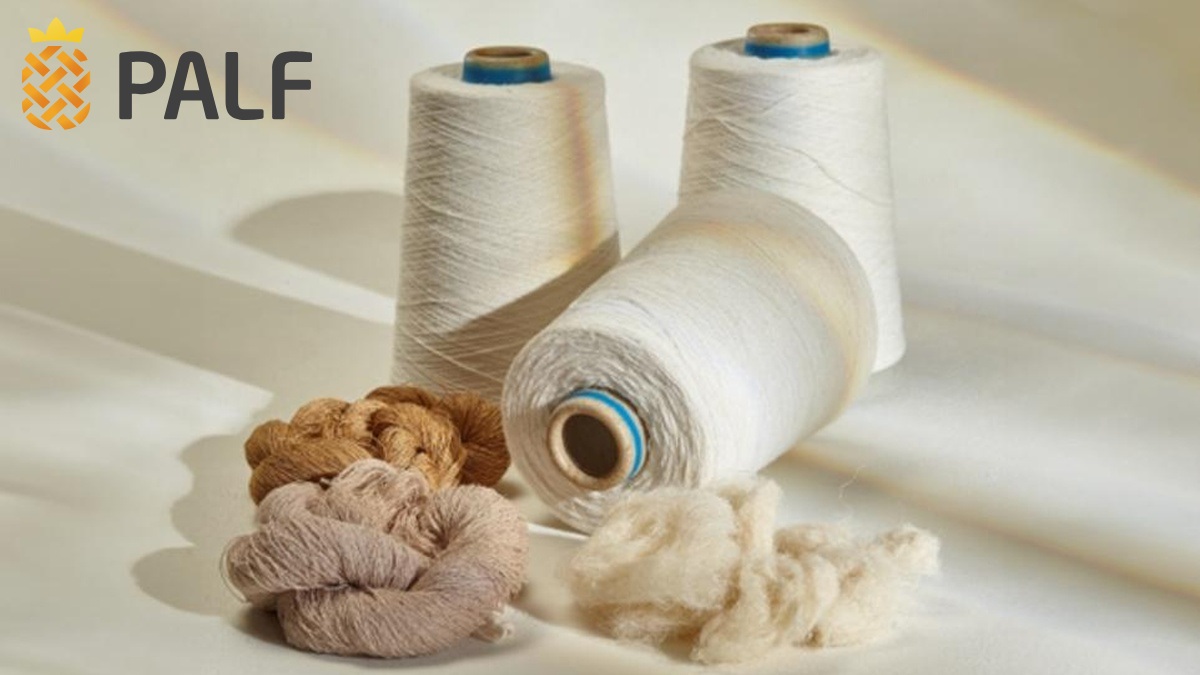
PALF yarn is a natural textile material made from agricultural by-products. This article explains its key properties, including fiber length, strength, moisture behavior, and blending performance. It also outlines practical considerations for textile manufacturing and sourcing, helping buyers evaluate its suitability for different production needs.
Why Textile Manufacturers Are Considering PALF Yarn
Pineapple leaf fiber (PALF) is gaining attention as a raw material in sustainable textiles. It is extracted from the leaves of Ananas comosus, which are usually discarded after harvest. By turning agricultural waste into fiber, PALF fits well with current sourcing trends focused on sustainability and resource efficiency.
For textile mills and sourcing teams, the key issue is not the concept of sustainability. The real concern is whether the material can meet production requirements. That depends on understanding the yarn specifications and how they affect manufacturing.
Compared with common fibers such as cotton and polyester, PALF offers several practical advantages.
- It comes from agricultural by-products
- It is biodegradable
- It has relatively high tensile strength
- It is lightweight and breathable
These properties make it suitable for applications such as woven fabrics, blended yarns, and environmentally focused product lines.
Key Pineapple Leaf Fiber Yarn Specifications
Fiber Length
PALF is generally considered a long fiber, but the actual length depends on the extraction process. Longer fibers are easier to spin and usually result in stronger yarn. Buyers should check the average fiber length and whether the supply is consistent across batches.
Linear Density
Linear density is typically expressed in denier or tex. PALF is usually coarser than cotton, although processing methods can improve fineness. This factor influences how the yarn feels and where it can be used. Finer yarns are more suitable for apparel, while coarser yarns may be used in home textiles or accessories.
Tensile Strength
One of the main strengths of PALF is its tensile performance. It is stronger than many natural fibers, which makes it useful in blends where additional strength is needed. This is particularly relevant for fabrics that require durability.
Moisture Regain
PALF has moderate moisture absorption. It performs better than synthetic fibers in terms of breathability, but not as high as some natural fibers. This affects both comfort and dyeing behavior.
Color and Appearance
The natural color ranges from off-white to light beige. Additional processing may be required depending on the final product requirements.
Blending Options in Commercial Use
In most cases, PALF is not used alone. It is blended with other fibers to improve processability and balance performance.
Common combinations include:
- PALF with cotton for better softness
- PALF with polyester for improved durability
- PALF with recycled fibers for sustainability positioning
Blending is often necessary to make the material practical for large-scale production.
Manufacturing Considerations for Mills
Before introducing PALF yarn into production, several factors should be reviewed.
- Spinning: Fiber consistency can affect spinning performance. Some adjustment may be required depending on the equipment.
- Dyeing: Natural fibers do not always absorb dye evenly. Pre-treatment or testing is recommended.
- Fabric Type: PALF is more commonly used in woven fabrics. Knit applications are possible but usually require blending. Nonwoven uses are also being developed.
Sourcing Considerations for Textile Buyers
When sourcing PALF yarn, buyers should focus on the following:
- Fiber consistency and grading
- Supplier processing capability
- Stability of supply
- Flexibility in customization
Working with a supplier that understands textile applications can reduce development time and improve product outcomes.
Supplier Insight
Ecopalf focuses on pineapple leaf fiber yarn and textile-oriented materials. Its development is centered on fiber processing and yarn applications rather than industrial composites.
This positioning is relevant for brands and mills that are working on sustainable textiles and need materials that can be integrated into existing production systems.
Conclusion
Pineapple leaf fiber has moved beyond concept-level discussion and is entering practical use in textile manufacturing. For buyers, the main task is to evaluate whether the material fits their production requirements.
This requires a clear understanding of yarn specifications, blending strategies, and supplier capabilities.
Looking for Pineapple Leaf Fiber Yarn Supply
If you are working on sustainable textile development, it is important to work with a supplier that can provide stable material quality and support product development.
Ecopalf provides pineapple leaf fiber yarn and related materials for textile applications, with a focus on practical use rather than concept promotion.