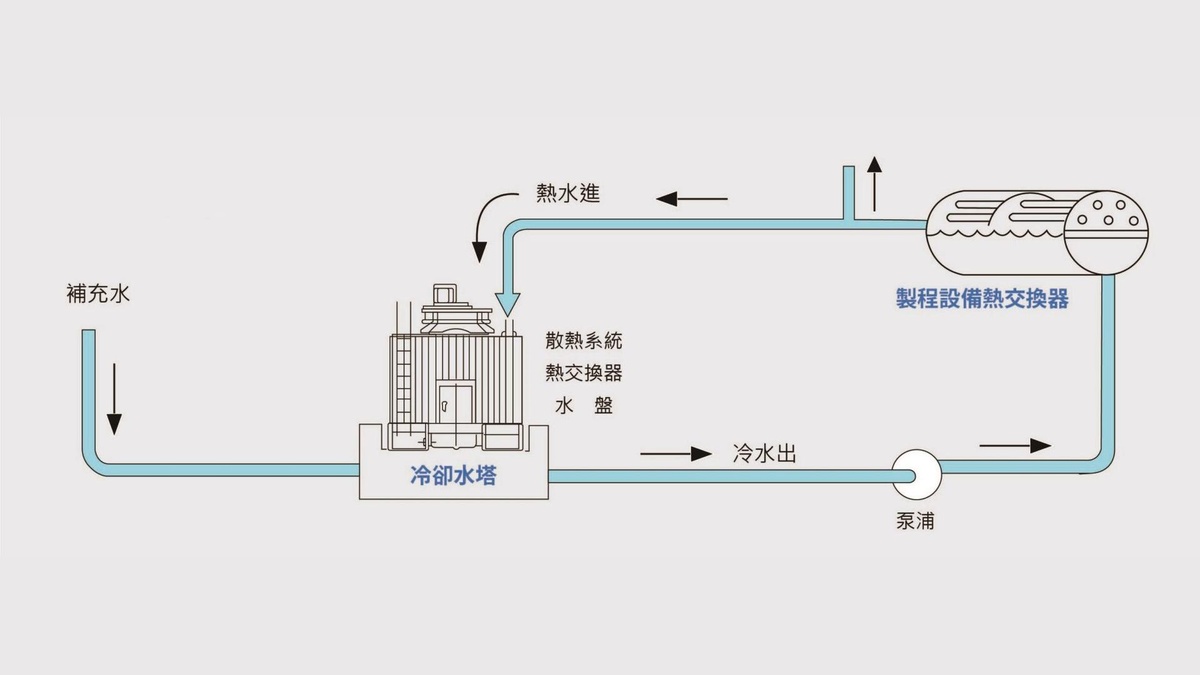
Scaling and corrosion are persistent risks in plastic machinery cooling systems. This article outlines their causes, their effect on heat transfer and flow stability, and practical maintenance measures manufacturers can use to reduce efficiency loss, blockage risk, and long-term equipment damage.
Cooling-system reliability plays a critical role in plastic machinery performance, particularly in operations where temperature control affects production consistency, equipment stability, and maintenance frequency. Among the most common internal issues affecting cooling performance are scaling and corrosion, both of which can develop gradually and reduce system efficiency over time.
Although these issues often originate inside pipes, channels, or heat-exchange components, their operational impact can extend well beyond the cooling circuit itself. Reduced heat transfer, restricted flow, unstable thermal control, and rising service demands are all common outcomes when internal buildup or material degradation is left unaddressed.
Scaling: a heat-transfer problem that builds over time
Scaling typically occurs when dissolved minerals in water begin to accumulate on internal surfaces. In cooling systems, this tends to happen under conditions such as poor water-quality control, repeated evaporation, inadequate filtration, or extended maintenance intervals. As deposits accumulate, they create an insulating layer that reduces the efficiency of heat exchange and narrows the available flow path.
Because the process is gradual, scaling may not be immediately apparent. However, even modest buildup can influence cooling response, reduce circulation efficiency, and contribute to inconsistent operating conditions. In production environments where thermal stability matters, the effect can become significant long before a blockage is visibly confirmed.
| Scaling Factor |
Typical Cause |
Operational Impact |
| Mineral deposition |
High dissolved solids in circulating water |
Reduced heat-transfer efficiency |
| Evaporation concentration |
Repeated water loss and mineral concentration |
Faster internal buildup |
| Inadequate filtration |
Poor removal of particulates and impurities |
Restricted flow path and higher blockage risk |
| Extended maintenance intervals |
Delayed cleaning or inspection |
Gradual loss of cooling performance |
Corrosion: a material integrity issue with operational consequences
Corrosion develops through a different mechanism. Instead of adding deposits to a surface, it removes or weakens material through chemical or electrochemical reaction. Common contributing factors include pH imbalance, contamination, excessive flow velocity, and unfavorable pressure or water conditions. Over time, corrosion can lead to surface deterioration, pitting, thinning, and increased risk of leakage.
Its consequences are not limited to component wear. As corrosion progresses, the system may become harder to maintain predictably, particularly if recurring internal damage affects flow conditions, reliability, or component life. In this sense, corrosion is both a maintenance issue and a broader system-control concern.
| Corrosion Factor |
Typical Cause |
Operational Impact |
| pH imbalance |
Water chemistry outside recommended range |
Accelerated surface degradation |
| Contamination |
Impurities or suspended matter in the system |
Localized corrosion and maintenance instability |
| Excessive flow velocity |
High-speed circulation through vulnerable sections |
Erosion-corrosion and reduced component life |
| Pressure or water-condition issues |
Unstable operating environment |
Pitting, thinning, and leakage risk |
Why manufacturers should pay attention early
One challenge with both scaling and corrosion is that neither always creates an immediate or obvious failure event. Instead, they often reveal themselves through indirect symptoms such as unstable temperature control, reduced outlet flow, slower cooling performance, repeated cleaning requirements, or unexplained variation in operating conditions.
For manufacturers, the value of early attention lies in preventing a manageable issue from becoming a more disruptive one. Once deposits or internal deterioration have advanced far enough to interfere with normal circulation, remediation becomes more time-consuming and the operational cost of delay increases.
- Unstable temperature control during production
- Reduced outlet flow or circulation efficiency
- Slower cooling performance than expected
- Repeated cleaning or maintenance requirements
- Unexplained variation in operating conditions
Preventive measures that improve cooling-system stability
Preventing these issues depends largely on disciplined routine control rather than one-time correction. Plants that establish clear inspection intervals and actively monitor water-related conditions are typically in a better position to preserve stable performance over time.
Practical preventive measures include:
- Maintaining water conditions appropriate to the system and application
- Inspecting for early signs of flow restriction or abnormal temperature behavior
- Cleaning internal deposits before they materially reduce heat-transfer efficiency
- Reviewing whether pressure, velocity, or contamination may be accelerating internal wear
- Using scheduled maintenance rather than failure-triggered intervention as the primary control method
In many industrial settings, these practices are not merely maintenance recommendations; they are part of maintaining process consistency. Effective cooling is closely tied to equipment reliability, and internal degradation in the cooling circuit can undermine that reliability long before visible damage appears.
| Preventive Measure |
Primary Purpose |
Expected Benefit |
| Water-condition management |
Reduce mineral buildup and chemical instability |
Lower scaling and corrosion risk |
| Routine inspection |
Identify early signs of performance decline |
Faster detection and lower remediation cost |
| Scheduled cleaning |
Remove deposits before severe restriction occurs |
Improved heat transfer and flow stability |
| Flow and pressure review |
Detect abnormal operating conditions |
Reduced internal wear and better system control |
| Preventive maintenance planning |
Shift from reactive to planned intervention |
Higher equipment reliability over time |
Conclusion
Scaling and corrosion remain two of the most persistent threats to cooling-system performance in plastic machinery applications. While their causes differ, both can reduce heat-transfer efficiency, affect circulation stability, and increase the maintenance burden placed on production teams. With earlier detection, better water management, and scheduled preventive action, manufacturers can improve cooling reliability and reduce the likelihood of avoidable equipment disruption.


.jpg)
.jpg)