How robotic coffee arms are entering F&B retail as a practical format for consistency, uptime, and space efficiency
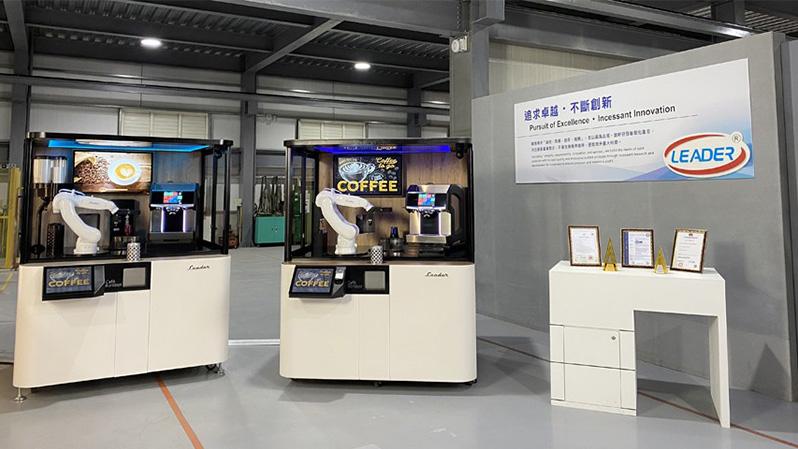
Robotic coffee baristas are moving into a wider range of food and beverage environments. What was once presented as a novelty in technology exhibitions is increasingly being discussed as a workable retail format for transport hubs, office buildings, hospitals, shopping centers, and mixed use commercial spaces.
The shift is tied to several practical concerns. Food and beverage operators continue to face labor shortages, rising wage pressure, fluctuating demand across locations, and the need to serve customers for longer hours without expanding floor space. In that context, automated beverage systems are drawing attention because they combine drink preparation, digital control, and unattended operation within a compact footprint.
This does not mean conventional cafés are disappearing. The more accurate reading is that robotic coffee systems are finding a defined role in parts of the market where consistency, uptime, and spatial efficiency matter more than the traditional café setting.
Why the Robot Barista Is Gaining Attention
Coffee service has always depended on process control. Espresso quality is shaped by measurable factors such as dose, grind, water temperature, pressure, extraction time, and milk preparation. In a manual setting, outcomes can vary by staff experience, fatigue, and shift conditions. Automated systems reduce that variability by storing recipes digitally and repeating programmed workflows.
At the same time, retail economics are changing. Operators are under pressure to maintain service availability while managing payroll and training demands. In locations with steady but transactional foot traffic, a robotic coffee setup can be easier to justify than a full café buildout.
A recent article from Leader Automation frames robotic coffee baristas as an operational response to labor cost pressure, staffing instability, extended service hour requirements, and limited space in commercial environments. That perspective aligns with a broader industry discussion around unattended retail and automated foodservice.
From Beverage Machine to Retail Infrastructure
One reason the category is gaining traction is the difference between current robotic coffee systems and older vending formats. Traditional beverage vending often emphasized convenience over drink quality. By contrast, newer systems are marketed around programmable preparation, repeatable motion control, and specialty style coffee output.
In practice, the value proposition is not only the machine itself. It is the ability to turn beverage service into a more standardized operating unit. For retail planners, this can support expansion into locations that may not sustain a staffed café. For building operators, it can add an amenity without a large staffing requirement. For brands, it can create a service point that remains available through a longer daily schedule.
This is one reason robotic coffee is increasingly discussed as part of retail infrastructure rather than as a single product category.
What the Industry Signals Suggest
Industry coverage points to rising visibility. Global Coffee Report noted in 2025 that robot baristas are becoming more common in cafés and coffee service, especially in public and communal spaces, while also arguing that the traditional barista is not simply coming to an end. That distinction matters. The current market trend is better understood as selective deployment rather than full replacement.
Recognition from product and trade platforms also suggests commercialization is moving forward. The Taiwan Excellence listing for Leader Automation's Robotic Coffee Shop solution indicates that robotic beverage systems are being positioned as deployable commercial offerings rather than one-off concepts.
Taken together, these signals point to a market that is still developing but no longer purely experimental.
Customer Experience Still Shapes Adoption
Operational efficiency alone does not determine success. Customer response remains an important variable in hospitality settings.
A study published in the International Journal of Hospitality Management examined customer reactions to human baristas and robot baristas. The findings suggest that robot barista adoption cannot be evaluated only through speed or labor savings. Brand satisfaction was shaped by sensory, affective, behavioral, and intellectual dimensions of the experience, and the type of barista influenced parts of that response.
This matters for operators considering automation. A robotic coffee arm may improve consistency and throughput, but adoption will still depend on whether the customer experience feels clear, reliable, and worth repeating. In some locations, the technology itself may attract interest. In others, ease of ordering, drink quality, wait time, and trust in the system may matter more than the novelty factor.
Where Robotic Coffee Shops Fit Best
The strongest use cases tend to share several characteristics:
1. High traffic locations with repeatable demand
Transit stations, airports, medical facilities, office complexes, and shopping centers often generate coffee demand throughout the day. These sites can benefit from compact service points that do not require the full footprint of a conventional café.
2. Environments with staffing constraints
Where hiring, turnover, or extended operating hours create pressure, automation offers a way to stabilize output and reduce dependence on shift based service models.
3. Retail formats that value consistency
For brands that want menu standardization across locations, robotic systems can help maintain fixed preparation parameters and product repeatability.
4. Spaces where unattended service creates value
Some locations need service outside normal staffing windows. Automated beverage systems can support early morning, late night, or round the clock access where a staffed concept would be difficult to maintain.
What This Means for the F&B Retail Market
The broader implication is not that robots will replace cafés in every context. Rather, automated coffee service is emerging as a parallel format within the retail beverage market. It fits a specific set of commercial conditions: limited space, high throughput expectations, labor sensitivity, and a need for consistent delivery.
That gives robotic coffee baristas relevance beyond coffee alone. The same logic applies to unattended retail, compact foodservice modules, and service automation in mixed use properties. As more operators test these systems, the market conversation is likely to shift from whether coffee can be automated to where automation creates the clearest business case.
For companies active in this space, solution pages such as Leader Automation's business solutions also show how suppliers are positioning robotic beverage systems within wider retail and service automation strategies.
Conclusion
Robotic coffee baristas are becoming more visible because they address real operating issues in food and beverage retail. Their growth is supported by the need for reliable output, longer service hours, smaller footprints, and more controlled workflows. At the same time, customer acceptance still depends on the overall service experience.
The most balanced conclusion is that robotic coffee systems are evolving into a practical option for selected retail settings. They are not a universal substitute for human led café service, but they are becoming a meaningful part of the conversation around how coffee, convenience, and automation intersect in modern F&B environments.