The integration of Electrical Discharge Machining (EDM) into Industry 4.0 marks a new era of smart manufacturing, where interconnected technologies, data-driven processes, and automation play pivotal roles. Incorporating EDM into the broader framework of Industry 4.0 has brought forth many new challenges, ranging from cybersecurity concerns to interoperability issues and the optimization potential of data analytics. These challenges have spurred the discovery of unique solutions to address them.
Industry 4.0 and Its Impact on EDM Manufacturing
It is helpful to first understand what Industry 4.0 is all about and how it's transforming the EDM manufacturing landscape.
Industry 4.0 Overview: Industry 4.0 represents the convergence of digital technologies, connectivity, and data-driven processes in manufacturing. It encompasses a holistic approach to smart manufacturing, where machines, systems, and processes communicate and collaborate in real-time. This revolution promises enhanced efficiency, flexibility, and responsiveness in manufacturing operations.
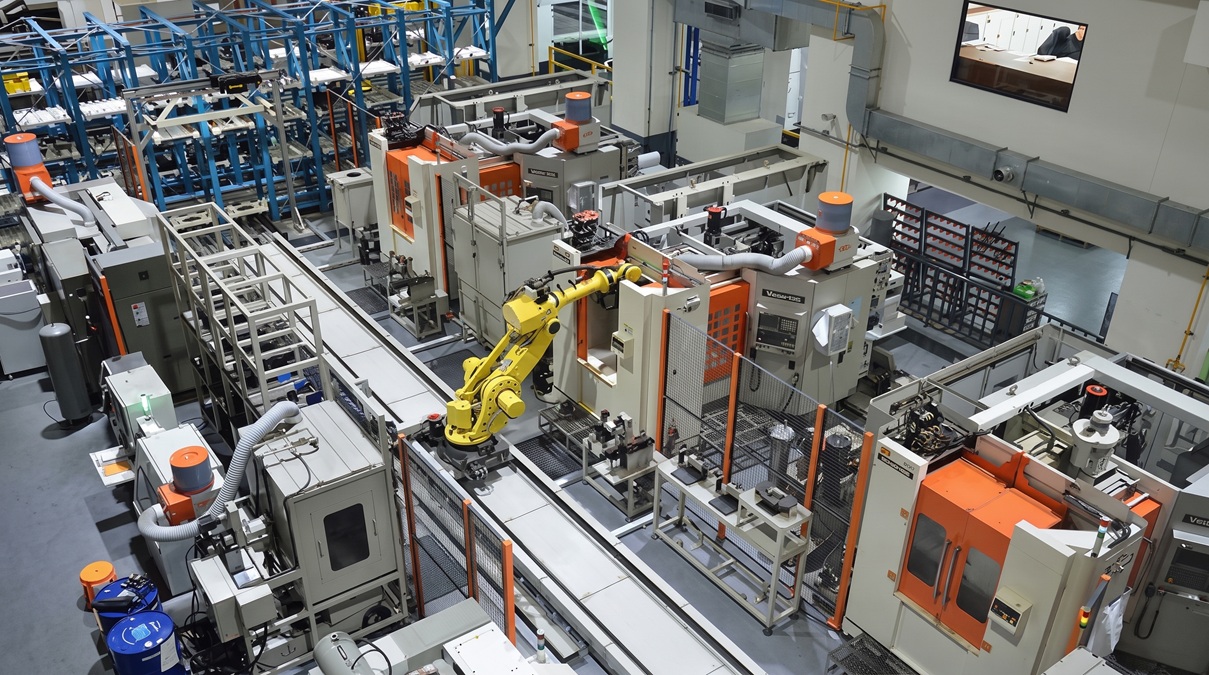
Impact on Traditional Manufacturing: Industry 4.0 is reshaping traditional manufacturing by introducing concepts such as the Internet of Things (IoT), artificial intelligence, and cloud computing. Smart factories equipped with interconnected systems enable seamless communication, leading to improved decision-making, reduced downtime, and increased productivity.
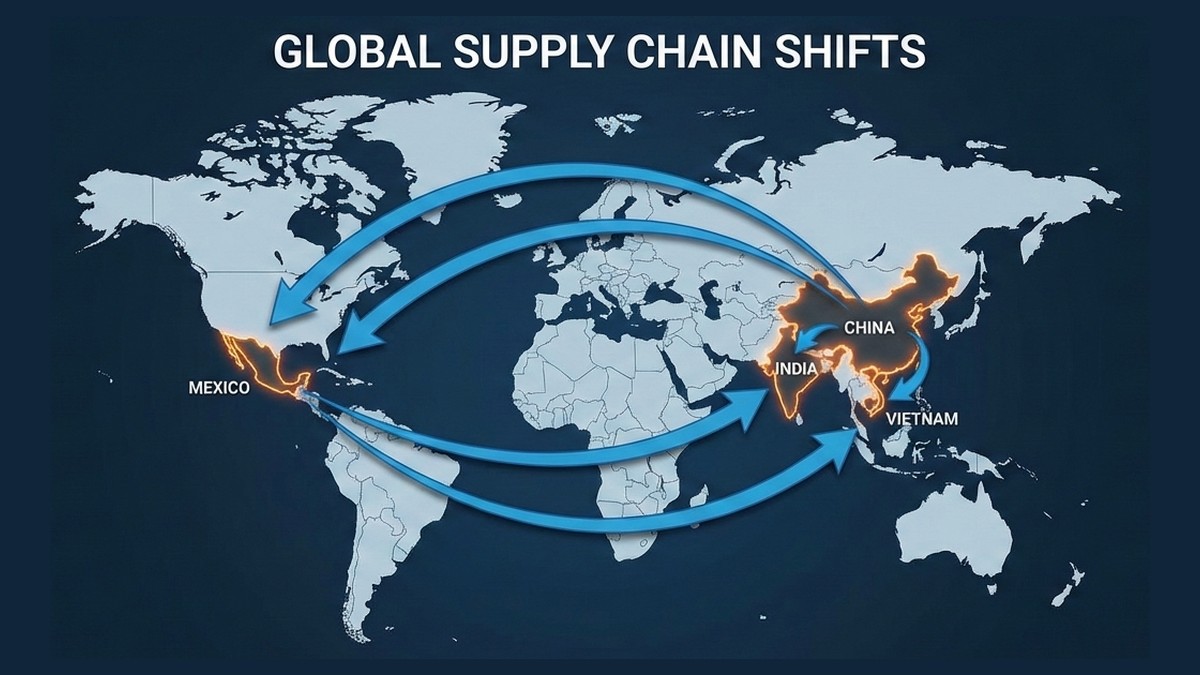
Transformation in Supply Chain: The influence of Industry 4.0 extends beyond the factory floor to the entire supply chain. Real-time data exchange and analytics enable manufacturers to optimize logistics, anticipate demand fluctuations, and enhance overall supply chain efficiency.
Cybersecurity Challenges in Smart EDM Systems
As EDM has embraced Industry 4.0, it has encountered cybersecurity challenges that have require careful consideration and robust solutions.
Data Vulnerability: The interconnected nature of Industry 4.0 exposes EDM systems to potential cyber threats. As data flows between machines and systems, there is a risk of unauthorized access, data breaches, and the compromise of sensitive manufacturing information.
Intellectual Property Protection: EDM processes often involve proprietary designs and sensitive data. Protecting intellectual property becomes a critical concern in smart EDM systems, as unauthorized access could lead to intellectual property theft and compromise the competitive edge of manufacturers.
Network Security: The integration of EDM into the broader digital ecosystem requires a secure network infrastructure. Ensuring the integrity of communication channels, protecting against malware, and implementing robust firewalls become essential components of safeguarding smart EDM systems.
Interoperability Issues in Integrating EDM with Other Smart Manufacturing Technologies
Achieving seamless integration between EDM and other smart manufacturing technologies presents challenges related to interoperability.
Diverse Communication Protocols: Smart manufacturing involves a myriad of devices and systems, each potentially using different communication protocols. Ensuring compatibility and smooth communication between EDM machines and other manufacturing components requires addressing the diversity of communication standards.
Standardization: The lack of standardized protocols in the manufacturing industry complicates the integration of EDM with other smart technologies. Establishing common standards becomes crucial for interoperability, allowing different systems to understand and exchange information effectively.
Legacy Systems Integration: Many manufacturing facilities still operate with legacy systems that may not inherently align with the requirements of Industry 4.0. Integrating EDM with these legacy systems poses challenges in terms of data exchange, compatibility, and synchronization.
Data Analytics for Optimizing EDM Processes
The advent of Industry 4.0 opens up opportunities for leveraging data analytics to optimize EDM processes and enhance overall efficiency.
Predictive Maintenance: By analyzing data from EDM machines, predictive maintenance models can anticipate potential equipment failures. This proactive approach minimizes unplanned downtime, reduces maintenance costs, and extends the lifespan of EDM equipment.
Performance Monitoring: Real-time data analytics enables continuous monitoring of EDM machine performance. Manufacturers can gain insights into parameters such as tool wear, energy consumption, and machining efficiency, allowing for timely adjustments and optimizations.
Process Optimization: Analyzing data generated during EDM processes provides valuable insights into optimizing parameters such as machining speed, electrode wear, and material removal rates. This data-driven approach enhances precision and efficiency in EDM operations.
Best Practices for Implementing Industry 4.0 Principles in EDM
To overcome the challenges associated with integrating EDM into Industry 4.0, certain best practices and solutions have been beneficial.
Cybersecurity Protocols: Implementing robust cybersecurity protocols is paramount for protecting sensitive manufacturing data. This includes encryption of data, secure access controls, regular cybersecurity training for personnel, and continuous monitoring for suspicious activities.
Standardization Initiatives: Collaborative efforts among manufacturers, technology providers, and industry associations can drive the development and adoption of common standards for smart manufacturing.
Retrofitting and Upgrading: For facilities with legacy systems, a gradual approach to retrofitting and upgrading equipment ensures a smooth transition into Industry 4.0. This may involve implementing IoT sensors on existing EDM machines, integrating smart controllers, and gradually modernizing the manufacturing environment.
Data Governance Framework: Establishing a comprehensive data governance framework ensures the responsible and secure management of manufacturing data. This includes defining data ownership, access controls, and clear policies for data storage, sharing, and disposal.
Continuous Training and Skill Development: The successful integration of Industry 4.0 principles in EDM requires a skilled workforce. Continuous training programs and skill development initiatives ensure that personnel are adept at utilizing smart technologies, interpreting data analytics, and addressing cybersecurity challenges.
The integration of EDM into the digital landscape demands a strategic and proactive approach, where embracing best practices becomes imperative. Robust cybersecurity measures, standardization initiatives, retrofitting strategies, comprehensive data governance, and continuous skill development collectively pave the way for the successful integration of EDM within Industry 4.0.