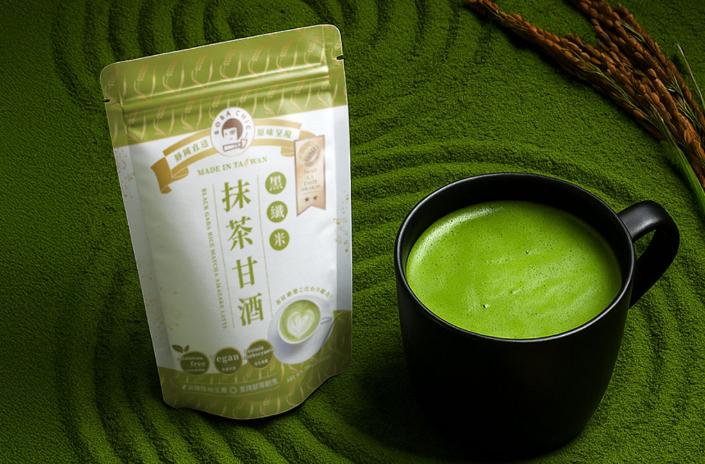
As health awareness grows, people are shifting from simply eating enough to eating well, making food therapy a rising trend. By emphasizing natural ingredients, seasonal adaptation, and personal needs, food therapy aims to prevent illness and promote wellness—though it cannot replace medical treatment. In response, the food industry is evolving toward fresher, more transparent, and health-focused products. Eating is no longer just a necessity, but a conscious act of caring for both body and environment.
Changes in eating habits
As health awareness continues to rise, people's eating habits are gradually shifting—from seeking rich, oily, and salty flavors to focusing on low-oil and low-salt options, even avoiding fried foods. In recent years, the concept of food therapy (a practice rooted in Traditional Chinese Medicine that emphasizes using food to maintain health and prevent disease) has gained increasing attention. Many individuals are beginning to explore how dietary choices can achieve bodily balance and wellness, thereby reducing the risk of illness.
Eating is no longer merely about satisfying hunger; it has evolved into a lifestyle closely linked to health. The focus has shifted from "eating enough" to "eating well," from prioritizing taste to emphasizing nutritional balance. Modern individuals are paying more attention to the sourcing of ingredients, cooking methods, and nutritional composition. This transformation has made "healthy eating" a prominent trend in daily life, influencing choices at the dining table and guiding the entire food industry toward more natural and lighter developments.
What is the food therapy
Unlike medication that primarily focuses on treating diseases, food therapy (also known as “dietary therapy”) emphasizes adjusting daily diet to strengthen the body, prevent illness, and promote overall health. This concept is similar to the Traditional Chinese Medicine idea of “preventing disease before it occurs,” highlighting a natural and personalized approach to health maintenance.
In traditional food therapy theory, dietary recommendations vary according to the changes of the four seasons and the body’s Yin-Yang and Five Elements balance.
Spring: Focus on nourishing the liver and clearing heat. Recommended foods include goji leaves and mung bean sprouts, which help soothe liver Qi and eliminate the cold accumulated during winter.
Summer: Emphasize clearing heat and relieving summer heat. Suitable foods include mung bean soup, watermelon, and bitter melon, which help reduce internal heat and dispel the summer heat.
Autumn: Due to the dry climate, it is important to moisten the lungs and generate fluids. Foods like white fungus, pears, and lilies are recommended for their nourishing and moisturizing properties.
Winter: Best for warming and nourishing the body’s essence. Common warming foods include lamb, ginger duck soup, and black sesame, which help strengthen immunity and keep the body warm against the cold.
Additionally, through Traditional Chinese Medicine’s constitution identification, the body can be categorized into types such as cold, hot, or weak. Dietary principles are then tailored according to individual constitution, making nourishment more targeted and effective. Rather than relying solely on medication, it is better to start by “eating the right foods” to create a personalized path to health and wellness. Food therapy emphasizes daily accumulation and consistency—it embodies a lifestyle of “eating healthily and living better.”
Points to Note
First, food therapy cannot completely replace medical treatment. When someone falls ill, seeking professional medical diagnosis and following a doctor’s prescription is essential to target the root cause effectively. Relying solely on food therapy instead of proper medical care may delay treatment and worsen the condition.
Second, the direction and content of food therapy should be guided by professional advice. Since everyone’s constitution, medical history, and lifestyle differ, self-prescribing based on personal experience or folk remedies may not only fail to produce the desired results but could also pose health risks. Therefore, consulting professionals such as Traditional Chinese Medicine practitioners or nutritionists before starting food therapy is crucial to tailor the most suitable dietary plan.
Finally, food therapy stresses the importance of moderation—too much or too little can be harmful. Even the most nutritious foods can burden the body if consumed excessively. Long-term overconsumption of certain supplements may cause internal heat or digestive problems, leading to adverse effects. Thus, maintaining a balanced and appropriate intake is key to truly achieving health benefits through food therapy.
A cleaner source
However, maintaining a truly “completely healthy” diet remains a significant challenge for most people. At present, many consumers are starting with their daily choices of ingredients and processed foods—reading nutrition labels to avoid excessive sugar intake and opting for more natural and wholesome sources. As health awareness continues to rise, an increasing number of consumers are also paying attention to whether products are certified by impartial third-party organizations, viewing such certifications as guarantees of quality and trustworthiness. Overall, today’s consumers not only care about freshness and flavor but also place high value on ingredient transparency and health. These expectations reflect a growing sense of responsibility—not just toward personal well-being, but also toward the people they care about.
New Directions in Food Processing
In recent years, frequent food safety incidents have heightened consumer awareness about the safety and sourcing of ingredients. As a result, expectations for processed foods have shifted from a focus on price and taste to an emphasis on freshness, cleanliness, and ingredient transparency. For food manufacturers, developing products that combine fresh ingredients with a health-oriented approach not only helps build brand trust but also aligns more closely with modern dietary expectations. Food production is no longer solely about mass output—it now demands a new balance and breakthrough in nutrition, safety, variety, and health.
In recent years, Taiwan’s food market has demonstrated several notable development trends, among which three stand out as the most representative: functional nutrition enhancement, increased brand trust and consumer awareness, and authoritative safety certifications:
First, functional and health foods continue to gain favor in the market. According to statistics, Taiwan’s retail sales of functional and health foods surpassed one billion USD in 2023, highlighting the strong growth of this segment. Demand for functional ingredients such as antioxidants, vitamins, and minerals continues to rise. At the same time, products combining high protein, low sugar, probiotics, and dietary fiber are rapidly entering the convenience and ready-to-eat food markets, meeting modern consumers’ dual demands for nutrition and efficiency.
Second, consumer emphasis on food brands and labeling has increased significantly. With demographic shifts such as population aging and declining birth rates, the number of single- and two-person households is rising, driving demand for smaller packaging, high-quality, and health-focused products. According to surveys conducted between 2023 and 2024, over 75% of Taiwanese consumers are willing to pay a premium for products with transparent ingredients and clear health labeling, indicating that brand trust and information transparency have become key factors in purchasing decisions.
Finally, food safety certifications are becoming a vital part of industry competitiveness. While obtaining domestic and international certifications requires significant time and investment, most consumers tend to trust authoritative testing organizations. Therefore, if companies can actively pursue certifications such as HACCP, ISO 22000, TQF, and FDA, in addition to maintaining product quality, they can not only enhance consumer confidence and drive domestic sales but also expand into international markets and improve export competitiveness.
Therefore, if the food processing industry continues to move toward greater traceability of origin, healthier ingredients, and clear and transparent labeling, it will not only better address consumer concerns regarding safety and nutrition, but also help enhance product credibility and market competitiveness.
This transformation is not just a response to current trends — it is a necessary step for businesses to thrive in a new era of dietary expectations.
Conclusion
Food therapy, rather than being strictly a medical treatment, is more of a lifestyle reminder to “avoid eating recklessly and eat healthily.” However, in today’s fast-paced information age with abundant food choices, strictly following food therapy principles is not an easy task. Balancing taste and health remains a challenge for many.
Nonetheless, it is undeniable that modern consumers’ attention to food has expanded beyond just flavor and price. Issues such as ingredient sourcing, processing methods, and additives have gradually become key factors in food choices. This shift not only reflects the rising health awareness but also presents new challenges for the food processing industry.
In response, food companies must not only preserve traditional flavors and textures but also move toward being “healthy, diverse, and fresh.” How to maintain food quality while reducing artificial additives, increasing ingredient transparency, and meeting nutritional values and consumer expectations will be critical challenges and opportunities for the industry.
For consumers, eating is no longer just a daily choice but also an expression of values. Choosing to eat healthier is a responsibility toward one’s body; choosing to eat consciously is a respect for the environment and industry. Food therapy does not require strict adherence, but the idea of healthy eating has already deeply influenced everyone’s expectations and choices about food.
Looking ahead, food will be more than just a means to satisfy hunger; it will serve as a link connecting our body, culture, and environment. Both businesses and individuals are moving forward on the path from “eating to fill the stomach” toward “eating well” and “eating responsibly.”