Is Your Paper Box Truly Recyclable? The Secrets of Composite Packaging
Knowledge

Is Your Paper Box Truly Recyclable? The Secrets of Composite Packaging

Imagine a typical morning, a warm drink in your hands, held in what looks like an eco-friendly paper cup. You think to yourself, "At least it's not plastic. It must be better for the environment." But have you ever wondered how that paper container holds a hot liquid without leaking? Can it really be recycled with ease? The truth is, there are hidden secrets about packaging materials you may not know.
Published: Aug 26, 2025
Is Your Paper Box Truly Recyclable? The Secrets of Composite Packaging

Unmasking the Invisible Barrier: The Truth Behind Waterproof Paper

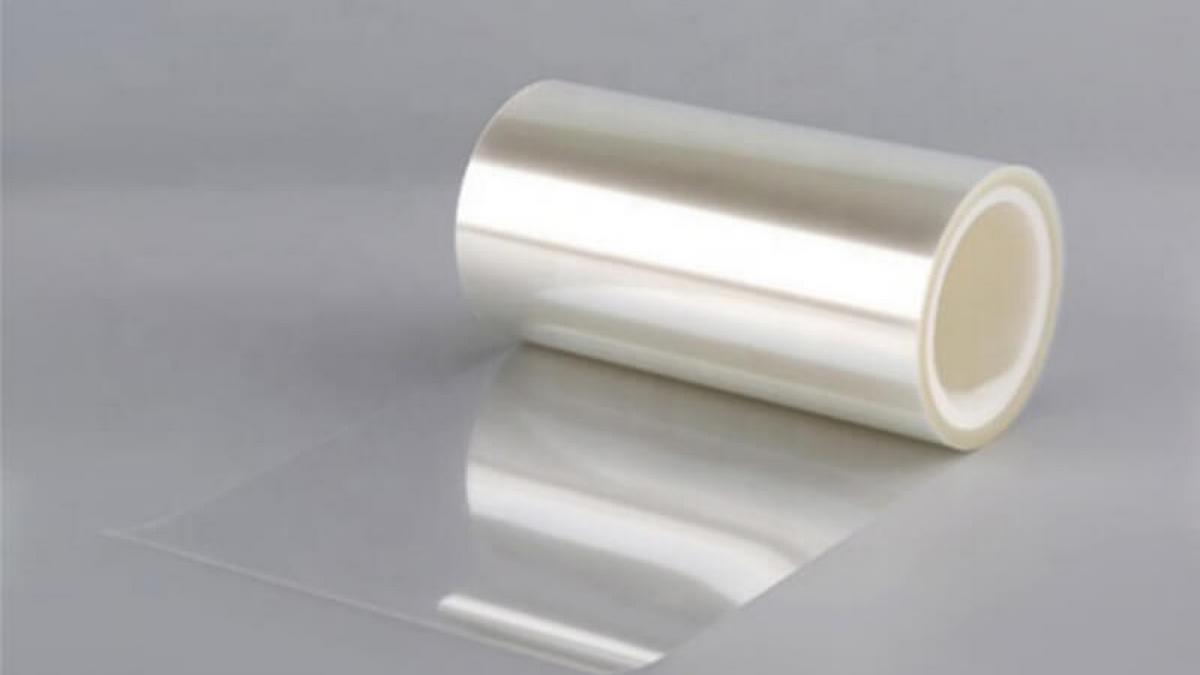
To prevent paper boxes and cups from leaking, manufacturers line the paperboard with a "raincoat" that is almost invisible to the naked eye—a thin layer of plastic or foil coating. This coating, known in the industry as "lamination," is key to making the packaging waterproof and greaseproof.

However, as recycling guidelines point out, while this coating enhances the packaging's barrier properties, it also significantly increases the difficulty of recycling. In other words, that invisible plastic shield on the paper container makes a simple material complex, and is not a 100% win for the environment.

The Recycling Dilemma: Why Most Paper-Plastic Packaging Is Landfilled

Many people mistakenly believe that throwing a used paper-based drink carton or cup into a standard paper recycling bin completes their eco-friendly duty. The reality is quite different. Research indicates that these "paper-plastic composite packages" actually require more raw materials. On average, a composite package uses about 40% more material than a pure plastic one for the same product, potentially generating an additional 25,000 tons of waste by 2025.

When these composite packages are recycled, typically only the paper fiber portion (about 70% of the weight) can be recovered. The remaining plastic coating often has to be disposed of through incineration for energy recovery.

For a familiar example like aseptic cartons (e.g., milk or juice cartons), a typical carton is made of multiple layers. The outer layer is a low-density polyethylene (LDPE) film for a waterproof barrier, the middle is about 75% paperboard for strength, and the inner layer has a thin aluminum foil lining (about 5% by weight).

This means a drink carton that appears to be "all paper" actually contains a small amount of plastic and aluminum. When these cartons enter the recycling process, most of the paper fiber can be recovered through methods like hydropulping. However, the residue of plastic and aluminum foil (often called PolyAl) is extremely difficult to separate from the paper and is usually either incinerated or sent for special processing.

In Hong Kong, for instance, official data shows that about 60-90 metric tons of composite paper packaging go directly into landfills every day. One of the reasons is that the standard three-bin recycling system previously didn't accept drink cartons, nor were there convenient collection points for the public.

Despite the challenges, it's worth noting that the recovered paper fiber is of excellent quality. Packaging experts point out that the fibers from beverage cartons are longer and stronger than those from other waste paper, making them suitable for manufacturing more durable cardboard boxes, paper bags, and even high-quality tissue paper. In other words, these fibers have high reuse value, but only if they are recycled correctly.

Real Green Solutions: A Practical Guide to Smarter Recycling

Faced with the recycling dilemma posed by composite packaging, we can take simple actions to ensure "being green" isn't just a surface-level effort. Here are a few concrete steps to empower readers to take action:

  • Know Your Material : The next time you have a package, try tearing the edge or looking at the inner layer. If you find a plastic film or a shiny foil that’s difficult to tear away from the paperboard, it’s a composite material and cannot be recycled as regular paper.
  • Sort Correctly : After use, drain any leftover liquid, give the container a quick rinse, and let it dry. Then, handle it according to local recycling rules: for example, place it in a dedicated "paper containers" bin or inform the recycling truck operator. Never throw it in a regular paper recycling bin, as this can contaminate the entire batch of paper pulp.
  • Embrace New Materials : As technology advances, new packaging options are emerging. Recent scientific research has shown that a fully recyclable and industrially compostable PLA (polylactic acid) coating can achieve excellent waterproof and greaseproof results.

In the future, more biodegradable coating technologies may be used for paper packaging. Once these become widespread, the recyclability of paper containers will be greatly improved. By combining identification, proper sorting, and innovative materials, we can reduce pollution and truly leverage the renewable benefits of paper packaging, contributing to a circular economy.

Every Choice Counts: Your Role in the Circular Economy

In short, a seemingly eco-friendly piece of paper can have material details that determine whether its "green journey" actually happens. If we only look at the surface and ignore how to handle composite materials, we might unintentionally diminish the good intentions behind "going green." True green action isn't just about choosing paper packaging on a supermarket shelf—it's about a responsible mindset every time we throw something away.

By disassembling, sorting, cleaning, and placing items in the correct recycling stream, we make a difference. The next time you tear open a paper box, ask yourself: have I done my part to make sure this environmental effort continues?


Published by Aug 26, 2025 progettarericiclo mdpi sig.biz pubs motipackaging

Further reading

You might also be interested in ...

Headline
Knowledge
Die Casting Vs. Forging: How To Choose Based On Strength, Geometry, And Volume
Choosing between die casting and forging affects far more than part cost. It influences structural performance, design flexibility, tooling strategy, machining requirements, lead time, and long-term production efficiency. When the wrong process is selected too early, projects often run into redesigns, extra machining, or higher-than-expected production costs. The right decision depends on how much strength is required, how complex the part geometry is, and whether the target is lower-volume production or stable high-volume output.
Headline
Knowledge
How Material Design Affects Fitness And Rehabilitation Rubber Products
In fitness and rehabilitation products, material design has a direct effect on performance, comfort, durability, hygiene, and long-term user trust. A resistance band that stretches unevenly, a grip that becomes slippery, or a flexible component that tears too early can quickly lead to complaints, returns, and lower confidence in the product. The key challenge is not simply choosing an elastic material. It is selecting and validating a material system that can perform consistently under repeated stretching, skin contact, sweat exposure, and ongoing mechanical stress.
Headline
Knowledge
Choosing the Right Coating for Paper Cups and Food Containers
Selecting the right coating for paper cups and food containers affects far more than leak resistance. For foodservice brands, importers, product teams, and packaging decision-makers, coating choice directly shapes heat resistance, grease performance, sealing behavior, disposal options, compliance risk, and overall cost. A paper cup or food container may look similar on the outside, but the coating often determines whether it performs well in real service conditions or creates problems after launch. That is why coating specifications should be defined early rather than treated as a minor detail after size, structure, or artwork are approved.
Headline
Knowledge
Understanding Lathe Types: Differences Between Manual, Engine, and CNC
When manufacturers evaluate different lathe types, the decision usually goes beyond machine specifications alone. Choosing between a **manual lathe**, an engine lathe, and a CNC lathe can influence production flexibility, machining consistency, labor requirements, and long-term investment efficiency. For many workshops, factories, and industrial buyers, understanding these differences is essential to selecting equipment that truly fits the job. In metalworking, the wrong machine choice can create avoidable problems. A machine that is too simple may limit output, while a machine that is too advanced may increase cost without delivering enough return. That is why buyers often need a clear, practical comparison rather than a purely technical definition. This article explains the differences between manual, engine, and CNC lathes, where each one performs best, and how buyers can choose the right type based on actual production needs.
Headline
Knowledge
Biometric, RFID or Face Recognition: Which Access Controller Fits Your Site Best?
What procurement and technical teams should review when selecting an access controller for security, throughput and long-term fit.
Headline
Knowledge
What Is a Food-Grade rPET Sheet Extrusion Line and How Does It Work?
A practical look at how recycled PET bottle flakes are converted into food-grade sheet materials for thermoformed packaging and other high-value applications.
Headline
Knowledge
What Is Fuel Injector Cleaner and How Does It Work?
Why Fuel Injector Cleaner Matters
Headline
Knowledge
Stainless Steel vs. Titanium Mufflers: Which One Is Actually Worth Your Money in 2026?
If you have spent any time researching exhaust upgrades, you already know the debate: stainless steel or titanium? Both materials have earned their place in the automotive aftermarket, and both have passionate supporters. But when it comes to choosing the right exhaust muffler for your application, whether you are building a track car, upgrading a daily driver, or sourcing components for large-scale distribution, the material decision carries real consequences for performance, longevity, and cost.
Headline
Knowledge
Automatic L Sealer Machine: How It Works in Shrink Packaging
In many packaging operations, shrink wrapping looks simple until output rises, product mix expands or labor becomes harder to schedule. At that point, the sealing step often becomes the bottleneck. Inconsistent seals, slow changeovers and manual handling start affecting throughput, rework and delivery performance. That is where an automatic l sealer machine becomes relevant. It automates the film-wrapping and sealing stage before the product enters a heat tunnel, helping manufacturers standardize presentation, reduce manual touchpoints and support higher packaging volumes. For procurement teams and engineers, however, the real question is not just what the machine does. It is how to judge whether a specific system will fit the line, the product range and the supplier’s real capabilities.
Headline
Knowledge
How Comprehensive Foam Testing Protects Performance in Harsh Environments
Foam materials, particularly NBR rubber foam, are widely used across industries due to their lightweight, cushioning, and insulating properties. However, exposure to harsh environmental conditions, such as moisture, UV radiation, and fluctuating temperatures, can degrade foam performance over time. To mitigate risks and ensure long-term durability, manufacturers employ comprehensive testing methods, including spray, immersion, leak detection, ASTM C272, pressure, UV, salt spray, and compression recovery tests. These procedures provide critical data on how foam materials respond to environmental stress and help maintain product reliability.
Headline
Knowledge
Navigating Supply Chain Volatility - How to Choose a Medical Plastic Components Manufacturer for Rapid Scale-Up
The landscape of medical device manufacturing has shifted dramatically. The days of predictable, long-lead-time forecasting are fading. In their place is a market defined by volatility, rapid innovation cycles, and the urgent need for supply chain resilience. For medical device startups and established OEMs alike, the choice of a medical plastic components manufacturer is no longer just about cost—it is about speed and agility.
Headline
Knowledge
Understanding Dynamic Balance and Clamping Mechanics in Modern CNC Tool Holders
Precision machining has become increasingly dependent on the performance of the CNC machine tool holder, a component often underestimated in its influence on accuracy, surface finish, and tool life. With today’s high-speed spindles, multi-axis machining centers, and micro-tolerance production standards, the interaction between dynamic balance, runout behavior, and clamping mechanics has never been more critical. This article provides a neutral, engineering-focused analysis of these performance factors and introduces several leading global manufacturers contributing to advancements in tool-holding technology.
Agree