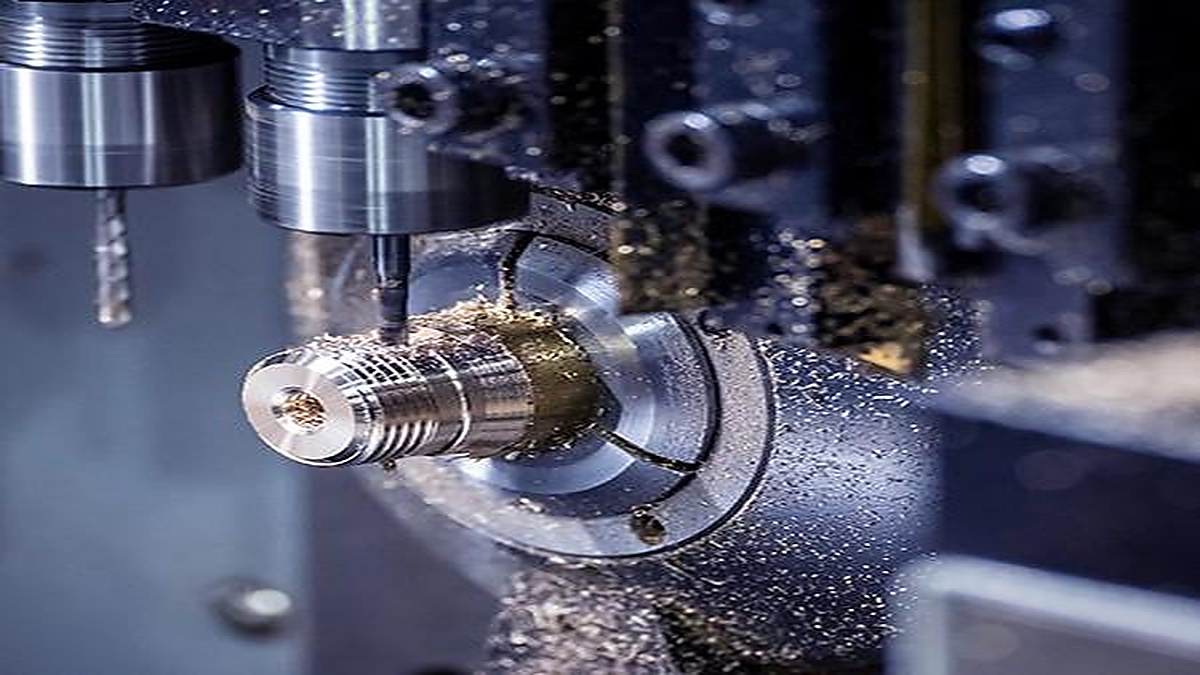
A busy factory doesn't always mean higher profits. Discover how manufacturers can improve profitability by reducing hidden costs, optimizing production processes, and increasing operational efficiency.
For many manufacturers, increasing orders and fully utilized production lines should signal business growth and higher profits. Yet many factories face a common challenge: production runs at full capacity, employees work overtime, and machines operate almost continuously, but financial results show little or no improvement. In some cases, companies even find themselves "working harder but earning less."
The root cause is often not a lack of orders, but an excessive focus on production volume and delivery schedules while overlooking cost structure, operational efficiency, and process management. As hidden costs continue to rise, revenue growth does not necessarily translate into higher profits.
For manufacturers, the key question is no longer how to keep the factory busier, but how to make every order more profitable.
Why Doesn't a Busier Factory Generate Higher Profits?
Many companies measure operational performance through capacity utilization, equipment utilization, or shipment volume, assuming that a busy factory automatically indicates strong business performance.
However, being busy does not necessarily mean being efficient.
When orders increase rapidly, manufacturers may rely on excessive overtime, frequent production changeovers, rush orders, higher logistics costs, or even compromise product quality to meet delivery deadlines. While these additional expenses may not be immediately visible, they gradually erode profitability.
Furthermore, if production bottlenecks remain unresolved, running equipment around the clock may simply result in more work-in-progress inventory rather than higher overall productivity.
Ultimately, profitability depends not on how busy a factory is, but on how effectively the entire production system operates.
What Hidden Costs Are Reducing Profitability?
When revenue grows but profits remain flat, hidden operational costs are often the underlying cause.
Overtime and Labor Costs
While overtime may temporarily increase production capacity, it also raises labor expenses, reduces employee productivity over time, and increases workforce turnover.
Quality Costs
Rework, scrap, product defects, and customer returns all increase material consumption, labor requirements, and delivery costs, directly reducing profit margins.
Inventory Costs
Excessive inventories of raw materials, work-in-progress, and finished goods tie up working capital while increasing warehousing costs and the risk of obsolete inventory.
Process Waste
Non-value-added activities—including waiting time, unnecessary material handling, repetitive tasks, and inefficient information flow—are often overlooked but continuously reduce operational efficiency.
When these hidden costs accumulate, additional orders may increase revenue without improving profitability.
What Is the Real Relationship Between Production Efficiency and Profitability?
Many manufacturers believe that increasing production capacity automatically improves profitability. In reality, business performance depends on operational efficiency rather than production volume alone.
A high-performing factory is not the one with the longest machine operating hours—it is the one that creates the greatest value with the least amount of resources.
For example, optimizing production scheduling can reduce equipment downtime, improving workflow can minimize transportation and changeover costs, and increasing first-pass yield can significantly reduce rework and material waste.
In addition, real-time production data enables managers to identify bottlenecks more quickly and allocate resources more effectively, resulting in smoother operations.
Only when efficiency improvements are combined with effective cost control can revenue growth be converted into sustainable profitability.
How Can Manufacturers Improve Cost Structure and Increase Profitability?
Improving profitability does not always require major capital investment. In many cases, optimizing management practices and cost structures delivers greater long-term returns.
Evaluate Product Profitability
Analyze the actual costs and profit margins of different products, customers, and orders to identify the most valuable business opportunities instead of simply pursuing higher order volumes.
Optimize Production Processes
Apply Lean Manufacturing principles, process optimization, and standardized work procedures to eliminate waste such as waiting time, unnecessary transportation, and rework.
Build Data-Driven Cost Management
Integrate production, quality, equipment, and energy data to establish real-time cost monitoring and support objective, data-driven decision-making.
Continuously Improve Operational Efficiency
Regularly review key performance indicators (KPIs), optimize workflows, improve equipment utilization, and refine resource allocation to build a healthier and more sustainable cost structure.
When manufacturers shift their focus from maximizing output to maximizing operational efficiency, they can significantly improve long-term profitability.
From Staying Busy to Becoming More Profitable
In today's increasingly competitive manufacturing environment, a busy factory is not necessarily a successful one.
Sustainable profitability depends on the effective integration of production efficiency, cost control, process management, and resource utilization. By continuously eliminating waste, improving workflows, and making better management decisions, manufacturers can turn revenue growth into meaningful profit growth.
In the future, manufacturers will compete not only by winning more orders, but by creating greater value through higher efficiency and lower operating costs. Optimizing processes and improving cost structures today will help businesses build a more resilient and profitable manufacturing operation.