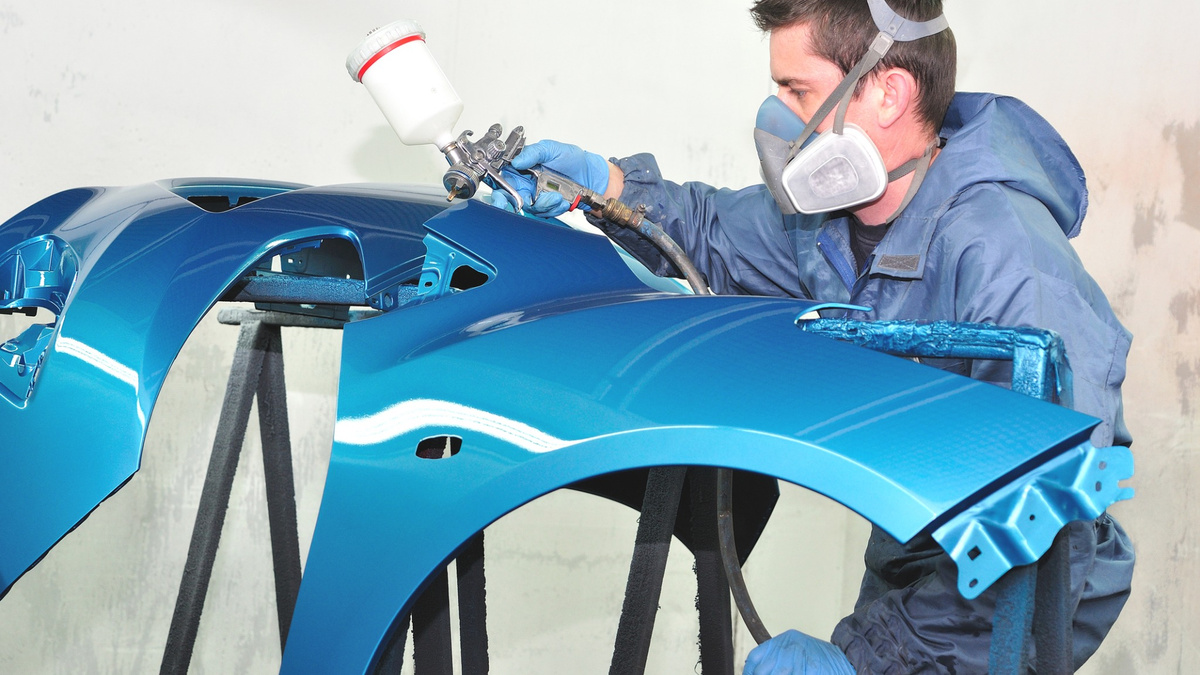
Quality is built into the manufacturing process—not achieved through final inspection. Learn how process control, standardized operations, and real-time monitoring help manufacturers prevent defects and improve production quality.
For many manufacturers, quality management is often equated with product inspection. After production is complete, products are sampled, tested, or subjected to final inspection to ensure they meet customer requirements before shipment. However, when quality issues are only discovered after production, manufacturers have already incurred material, labor, and production costs. They may also face additional losses from rework, scrap, delayed deliveries, and customer claims.
In reality, inspection can only detect defects—it cannot prevent them from occurring. Effective quality management is built on preventing problems during process design and production, reducing quality risks at their source rather than identifying them at the end of the production line.
For manufacturers, the key question is no longer how to improve inspection capabilities, but how to build stable production processes where quality is built into every stage of manufacturing instead of relying on final inspection.
Why Can't Inspection Alone Solve Quality Problems?
Many manufacturers still focus their quality management efforts on final inspection, believing that stricter inspections will prevent defective products from reaching customers. However, inspection only identifies defects that have already occurred—it does not eliminate their root causes.
By the time a product reaches final inspection, investments in materials, labor, and machine time have already been made. If defects are discovered, manufacturers are often left with limited options: rework, scrap, or delayed delivery. These outcomes increase quality costs while reducing production efficiency and customer satisfaction.
Moreover, excessive reliance on inspection can divert attention from improving production processes. If manufacturing processes remain unstable, adding more inspectors simply results in finding more defects rather than reducing defect rates.
Ultimately, the goal of quality management should not be to inspect more products, but to prevent defects from occurring in the first place.
How Do Quality Problems Develop During Production?
Most quality issues do not originate during final inspection—they accumulate throughout the production process.
Inconsistent Work Practices
When operators follow different methods or procedures, product variation increases and process stability declines.
Equipment Performance Issues
Reduced machine accuracy, inadequate maintenance, or incorrect parameter settings can result in products failing to meet dimensional, appearance, or performance specifications.
Variability in Raw Materials
Even with well-controlled production processes, inconsistent incoming materials can negatively affect final product quality.
Lack of Real-Time Monitoring
Without timely detection of production abnormalities, problems may continue unnoticed for hours or even days, leading to large volumes of defective products.
In other words, quality problems typically originate within the manufacturing process—not at the inspection stage.
How Can Manufacturers Build a Preventive Quality Management System?
A preventive quality strategy shifts quality control upstream into production rather than concentrating it at the end of the process.
Standardize Operating Procedures
Standard Operating Procedures (SOPs), work instructions, and visual management help ensure every operator performs tasks consistently, reducing human variation.
Establish Critical Process Control Points
Identify the manufacturing steps that have the greatest impact on product quality and continuously monitor key process parameters to detect abnormalities early and implement corrective actions immediately.
Use Data to Monitor Process Performance
Production data, yield analysis, Statistical Process Control (SPC), and real-time monitoring tools enable manufacturers to identify process trends and intervene before quality issues occur.
Create a Continuous Improvement System
Regularly analyze quality issues using Root Cause Analysis (RCA) and continuous improvement methodologies to prevent recurring problems and strengthen long-term process capability.
When quality management shifts from "inspecting products" to "controlling processes," manufacturers can significantly reduce quality costs while improving product consistency.
How Can Manufacturers Shift from Inspection-Based to Prevention-Based Quality Management?
Transitioning to preventive quality management is not simply about adopting new tools—it requires a change in management philosophy.
First, quality responsibility should extend beyond the quality department and become part of every stage of production. Every employee should contribute to maintaining quality instead of relying solely on inspectors.
Second, manufacturers should encourage cross-functional collaboration among production, engineering, maintenance, purchasing, and quality teams to identify root causes and continuously improve processes rather than reacting only after quality issues occur.
Finally, organizations should leverage production data to establish early-warning systems. Real-time information enables teams to identify process deviations quickly and take corrective action before problems escalate.
By shifting from post-production inspection to proactive prevention, manufacturers can reduce defect rates and quality costs while improving productivity, shortening lead times, and strengthening customer confidence.
From End-of-Line Inspection to Process-Based Quality Prevention
In today's increasingly competitive manufacturing environment, quality is no longer simply about whether products pass inspection—it has become a fundamental source of competitive advantage.
World-class quality management is achieved not by finding more defects after production but by preventing defects through robust process design, standardized operations, and data-driven process control. Stable and well-controlled production processes reduce rework, scrap, and customer complaints while improving product consistency and customer satisfaction.
Looking ahead, manufacturing competitiveness will depend less on who performs the most inspections and more on who can prevent quality risks at the earliest stage. By building a quality culture centered on process management, manufacturers can achieve higher efficiency, lower costs, and stronger long-term competitiveness.



(4059)(20260924)(原).jpg)
(2367)(20260924)(原).jpg)