Precision Mold Development and Manufacturing: The Core Technology of Modern Plastic Production
Photo by https://photo.urb2b.com/photo/#/shared_space/folder/75
Knowledge

Precision Mold Development and Manufacturing: The Core Technology of Modern Plastic Production

Precision molds form the foundation for the quality and efficiency of plastic part molding. In today’s highly competitive manufacturing environment, the design and fabrication of molds directly impact a product’s functional performance and market competitiveness. Excellent mold development requires not only precise engineering design but also the integration of advanced machining technologies and rigorous quality control to achieve efficient and stable mass production.
Published: Aug 12, 2025
Precision Mold Development and Manufacturing: The Core Technology of Modern Plastic Production
Photo by https://photo.urb2b.com/photo/#/shared_space/folder/75

Key Technologies in Mold Design

Precision mold design typically begins with the creation of digital models, utilizing computer-aided design (CAD) and mold flow analysis to predict plastic material flow behavior and potential molding defects. This process optimizes gate locations, cooling system design, and mold venting, thereby increasing first-shot success rates and shortening development cycles. Additionally, the design phase must carefully consider material properties, injection pressures, and mold structural strength to ensure dimensional stability and durability during prolonged operation.

Machining Technologies and Equipment

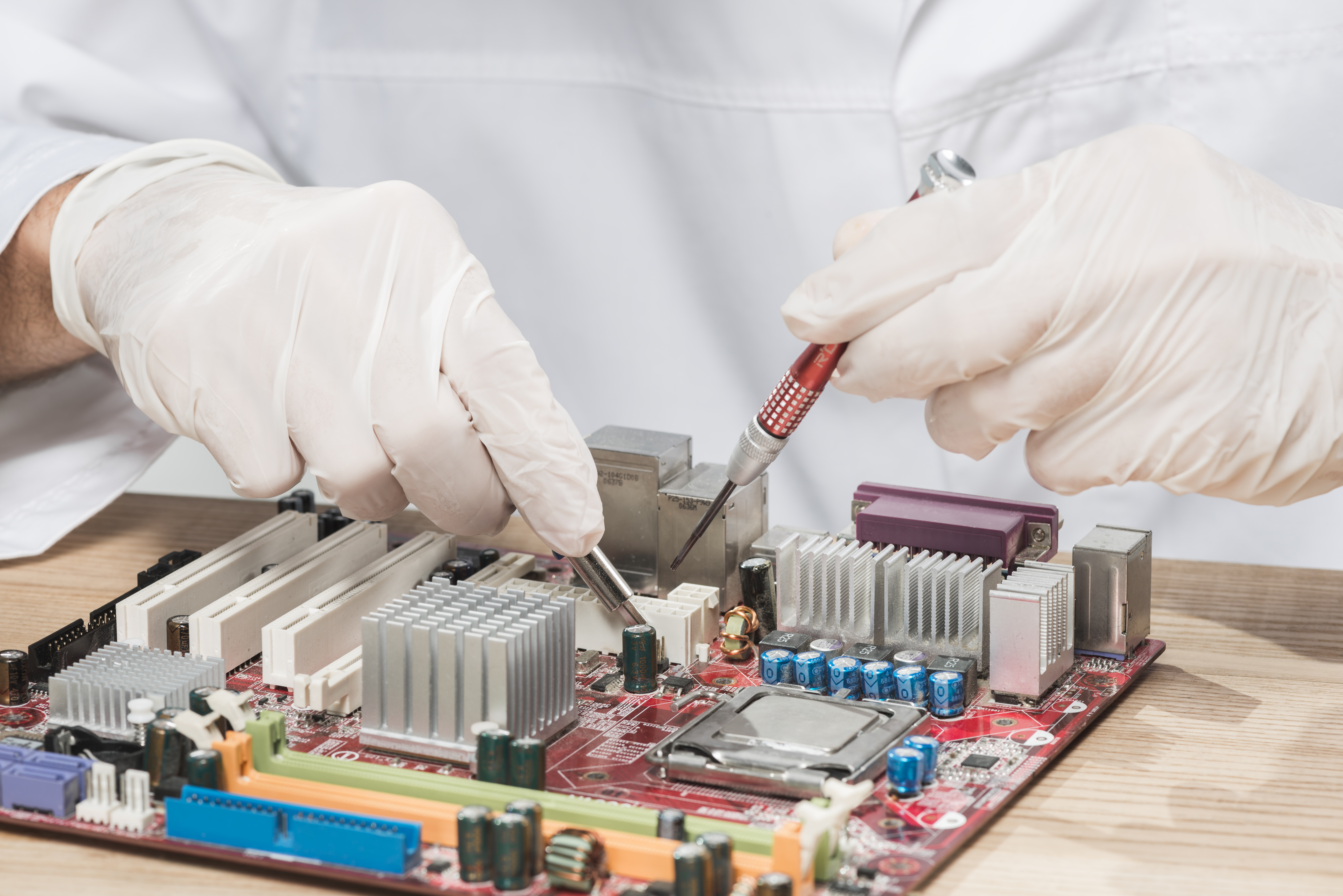
High-precision machining equipment is critical in mold manufacturing, including CNC milling machines, electrical discharge machining (EDM), and high-speed mirror polishing. These technologies enable micron-level tolerance control, ensuring the precise formation of mold cavities.

Throughout the machining process, strict parameter monitoring and process management guarantee compliance with technical specifications.

Heat treatment is also essential to mold fabrication, adjusting steel hardness and toughness to extend mold life and enhance wear resistance.

Quality Control and Testing

To ensure molds meet design specifications, multi-stage quality inspections are required. Coordinate measuring machines (CMM) precisely measure cavity dimensions, while surface roughness testing assures the aesthetic quality of molded parts. Systematic tracking and documentation allow quick identification and correction of potential issues, mitigating quality risks during mass production.

Integration Trends in Mold Manufacturing

As market demands for product quality and delivery lead times increase, mold development and manufacturing are progressively moving toward integrated workflows. Combining design, machining, mold trials, and maintenance shortens development times and improves communication efficiency. This vertically integrated approach enhances supply chain flexibility and resilience, enabling rapid responses to market changes and customer requirements.

Conclusion

Precision mold development and manufacturing are not only prerequisites for producing high-quality plastic products but also critical technological supports for enhancing product competitiveness in modern manufacturing. Leveraging advanced design tools, high-precision machining, and rigorous quality management, mold manufacturers can effectively reduce production risks, improve product consistency, and accelerate market responsiveness — empowering manufacturing enterprises to achieve steady growth amid fierce competition.


Published by Aug 12, 2025 Source:Chiakuan

Further reading

You might also be interested in ...

Headline
Knowledge
Beyond Part Holding: The Role of TCP Thin Carrier Plate in Advanced Automated Manufacturing
As manufacturing environments become more compact, more precise, and more automated, components that were once treated as secondary are gaining much greater technical importance. Among them, the tcp thin carrier plate has become increasingly relevant in high-density production, especially in processes involving precision transfer, terminal handling, dipping-related applications, and repeated automated movement. For procurement teams, process engineers, and equipment integrators, the decision is no longer just about whether a carrier plate can physically hold a part. The more important question is whether it can maintain stable performance under real production conditions. In high-density manufacturing, even a small variation in flatness, thickness consistency, rigidity, or thermal behavior may lead to process instability, lower yield, or increased equipment interruption. This is why the tcp thin carrier plate is now being assessed more carefully as a process-critical component rather than a simple fixture.
Headline
Knowledge
Biodegradable Straw Making Machines: Key Technologies Driving Sustainable Packaging Production
This article examines how biodegradable straw making machines are supporting the shift toward sustainable packaging production. It covers PLA and paper straw manufacturing technologies, automation trends, production challenges, and key factors manufacturers should consider when selecting biodegradable straw production equipment.
Headline
Knowledge
What Do Fruit Juice Suppliers Provide? A Practical Guide for Beverage and Food Brands
A practical overview of ingredient formats, supplier services, and sourcing considerations for beverage and food product development.
Headline
Knowledge
Understanding HVLP Technology: How Low Pressure High Volume Saves Paint and Costs
A practical guide to how HVLP spray systems improve coating efficiency, reduce waste, and support better cost control.
Headline
Knowledge
Why Skin and Immune Formulation Matters More Than Coat Appearance in Companion Animal Health
Skin and coat concerns in companion animals often signal a broader formulation challenge rather than a surface-level issue alone. Recurrent dryness, itching, dull coat condition, and visible sensitivity are frequently linked to barrier weakness, immune imbalance, nutrient utilization, and digestive stability. Products positioned only around coat shine or a single trending ingredient may therefore fall short in daily use. More effective formulation usually begins with a broader biological view: skin health is closely shaped by the interaction between barrier function, immune response, microbiota balance, and life-stage needs.
Headline
Knowledge
Why Food Safety Certifications Matter More Than Ever in Bubble Tea Supply Chains
Bubble tea supply chains are under greater scrutiny than before. Flavor innovation still drives demand, but in cross-border trade, growth increasingly depends on whether ingredients can move through approval processes smoothly, meet market-specific expectations, and remain consistent across repeated shipments. Certifications such as ISO 22000, HACCP, FSSC 22000, HALAL, and KOSHER are no longer just supporting documents. They now influence market access, supplier credibility, risk control, and the ability to maintain stable commercial relationships over time.
Headline
Knowledge
Tire Curing Press Machine: How It Shapes Tire Quality, Efficiency, and Modern Production
A practical look at how tire curing press machines work, why they matter in tire manufacturing, and what manufacturers now expect from modern curing systems
Headline
Knowledge
How Fresh Tea Bag Suppliers Maintain Quality from Tea Sourcing to Final Packaging
A closer look at sourcing discipline, production controls, and packaging strategies behind reliable fresh tea bag quality.
Headline
Knowledge
SoM vs CoM vs SBC: How to Choose the Right Embedded Architecture for Industrial IoT Projects
How SoM, CoM, and SBC choices affect integration flexibility, deployment scale, and long term industrial IoT planning
Headline
Knowledge
How to Prevent UPS Overload and Improve Electrical Safety in Critical Power Systems
Understanding overload causes, sizing mistakes, and protection planning in UPS backed environments.
Headline
Knowledge
How to Select the Right CNC Machining Center for Semiconductor Equipment and Precision Industrial Components
Selecting a cnc machining center for semiconductor equipment and precision industrial components is not simply a matter of comparing specifications on a brochure. For procurement teams, factory owners, process engineers, and equipment builders, the more important question is this: which machining platform can consistently deliver the required accuracy, surface quality, material compatibility, production efficiency, and long-term reliability without creating unnecessary cost or process risk? In semiconductor-related manufacturing, tolerance for instability is extremely low. Components such as vacuum chambers, structural frames, heat exchangers, cooling plates, tooling bases, precision fixtures, and motion-related housings often require not only dimensional precision, but also repeatable performance over long production cycles. Even if a part is not directly wafer-facing, its machining quality can still affect assembly accuracy, sealing performance, thermal behavior, vibration control, and overall equipment uptime. This article explains how buyers and technical teams can evaluate a cnc machining center for semiconductor equipment and precision industrial applications from a practical, decision-oriented perspective.
Headline
Knowledge
How Cast Steel Gate Valves Work in On-Off Flow Control Applications
A practical guide to gate valve operation, isolation performance and application considerations in industrial piping.
Agree