Pneumatic tools are a category of industrial equipment powered by compressed air, widely used across manufacturing, assembly, maintenance, and construction sectors. Compared with electric tools, pneumatic tools are lighter in weight, deliver consistent output, offer high durability, and provide superior safety. These advantages make them the preferred choice for professionals in scenarios that require prolonged, high-frequency, and high-precision operations.
![Professional Analysis and Application Value of Pneumatic Tools]()
Photo by https://photo.urb2b.com/photo/#/shared_space/folder/75
Working Principle and Core Structure
Pneumatic tools operate by using an air compressor to compress and store air, which is then delivered through a pipeline system to the tool body. Once inside, the compressed air is converted into mechanical energy through mechanisms such as pneumatic motors, pistons, or turbines, driving cutters, drill bits, or other working ends. The main components include:
Drive Unit:Such as vane-type pneumatic motors or piston mechanisms, responsible for converting air pressure into mechanical power.
Transmission System: Transfers power to the cutting tool or workpiece, ensuring steady output.
Control Mechanism: Includes triggers, pressure regulators, and safety switches for precise operational control.
Exhaust System: Channels used air away from the work area to prevent operational interference.
Main Types and Features
Impact Wrench:Known for high torque output, suitable for automotive repair and heavy machinery assembly requiring rapid bolt fastening and removal.
Air Grinder: Ideal for deburring, surface grinding, and polishing of metals, featuring high rotational speed and excellent maneuverability.
Air Drill: Used for drilling metal, wood, and composite materials, offering stable operation with minimal heat generation.Used for drilling metal, wood, and composite materials, offering stable operation with minimal heat generation.
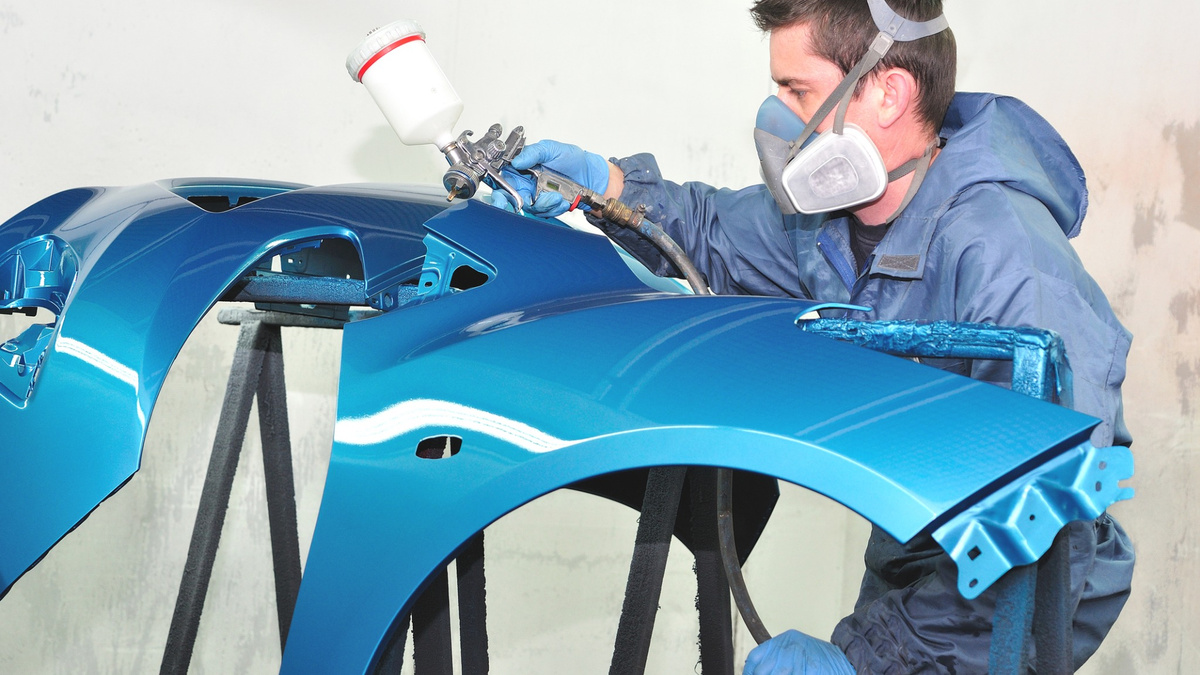
Air Spray Gun: Delivers uniform coating quality, widely applied in automotive painting, furniture finishing, and other high-surface-quality applications.
Air Cutter/Saw: Suitable for cutting sheet metal and plastics, maintaining clean edges with high efficiency.
Advantages
Lightweight and Simple Structure:Eliminates the need for large electric motors, reducing hand-held weight and improving comfort.
Excellent Continuous Operation: Compressed air supply allows uninterrupted high-frequency work.
Natural Overload Protection: The pneumatic motor stops when obstructed, reducing the risk of burnout or electrical damage.
Durable and Easy to Maintain: Fewer wear-prone parts and relatively simple servicing requirements.
Explosion-Proof Capability: No electrical sparks, making them suitable for flammable or explosive environments such as chemical plants and mining operations.
Applications
Pneumatic tools play critical roles across multiple industries:
- Automotive & Transportation:Vehicle maintenance and assembly line operations.
- Metal Processing: Pre-weld preparation, surface grinding, and polishing.
- Furniture & Woodworking: Drilling, cutting, and painting.
- Shipbuilding & Aerospace: Structural assembly, riveting, and high-precision component maintenance.
- Heavy Industry: Large bolt fastening and steel structure assembly.
Maintenance and Safety Guidelines
- Air Quality Management:Use dry, clean compressed air to prevent internal component damage from moisture and debris.
- Regular Lubrication: Apply pneumatic oil via lubricators or manually to reduce wear and ensure smooth operation.
- Proper Pressure Settings: Avoid exceeding recommended working pressure to prevent damage and prolong service life.
- Personal Protective Equipment (PPE): Operators should wear safety goggles, ear protection, and gloves.
- Routine Inspection and Servicing:Check hoses, seals, and control valves regularly to prevent leaks and malfunctions.
Conclusion
With high efficiency, stable output, and outstanding durability, pneumatic tools have become indispensable partners in modern industrial operations. From automotive repair to high-precision manufacturing, their broad applicability significantly enhances productivity and work quality. For both enterprises and skilled technicians, selecting the right, high-quality pneumatic tools not only shortens work cycles but also ensures product quality and operational safety.

(4059)(20260924)(原).jpg)
(2367)(20260924)(原).jpg)