With the development of science and technology, especially the improvement of the level of automation control, more and more warehouses begin to use machines to replace human labor. In 2012, Amazon acquired KAVA Systems, and within two years, a large number of KAVA mobile robots were invested in the logistics center, which greatly improved the operation efficiency and reduced operating costs, thus setting off a boom in the application of AGV mobile robots in the warehouse sector.
In recent years, with the advancement of information technology, automation technology, artificial intelligence and other technologies, my country's logistics industry has also accelerated the pace of technological upgrading, and the entire logistics industry has shown a trend of "unmanned". The emergence of the new technology of automated warehousing system has changed the traditional concept of warehousing. The original fixed location, manual handling and stacking, manual management and storage-based warehousing operations have become optimal selection of cargo locations, and first-in, first-out mechanized and automated warehouse operations can be realized as needed. Turn the original relatively static warehouse into a "dynamic warehouse".
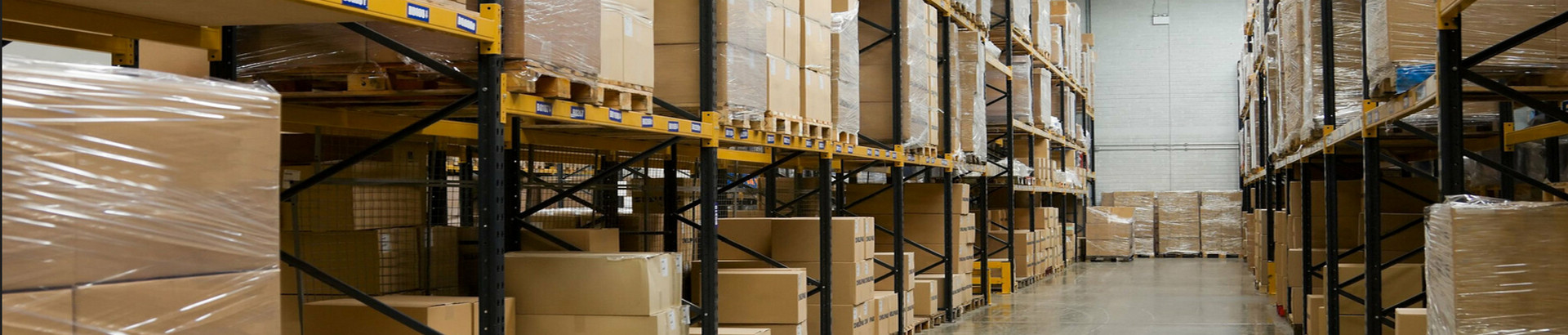
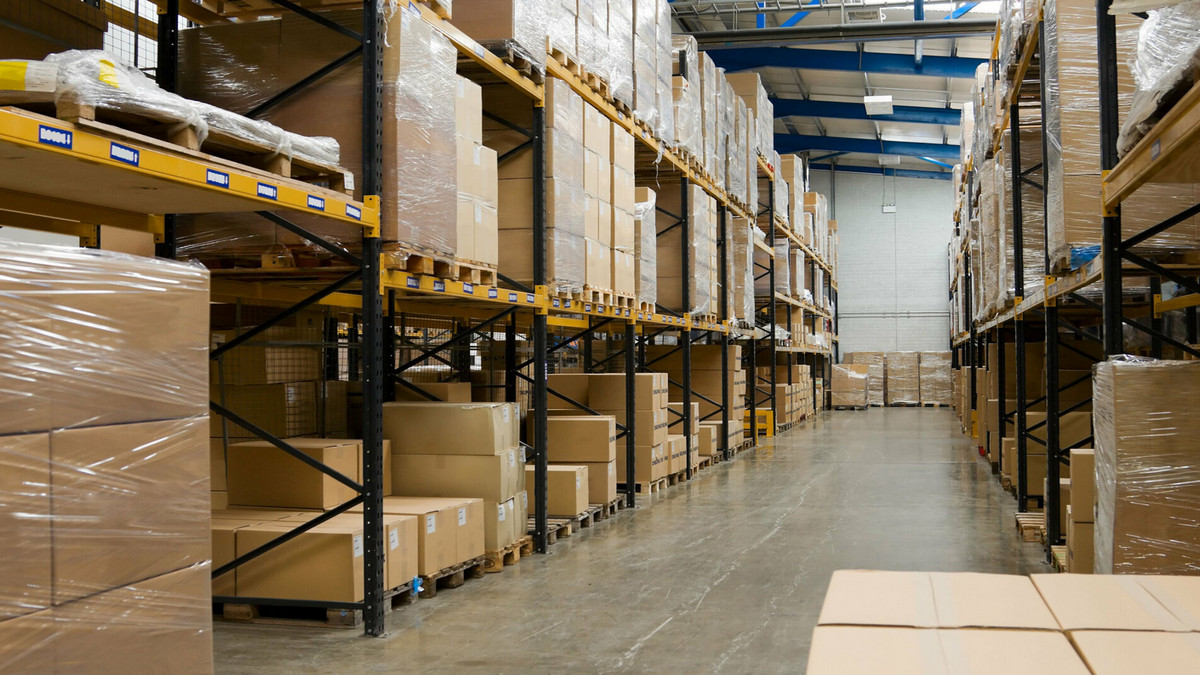
The automated storage system consists of a three-dimensional warehouse system (including various storage shelves, etc.), an automatic storage system (including aisle stacking racks, overhead forklifts, shuttle machines, etc.), an automatic sorting system (including various sorting machines, etc.), picking systems (including various picking machines, etc.), warehousing robots (including palletizing robots, AGV/AIV, etc.). The automated warehousing system can make full use of the storage space, and through the mechanization and automation of goods access and handling, it can speed up the access rhythm of goods, reduce the labor intensity of workers, and improve productivity.
More and more companies are very interested in unmanned logistics operations, and are accelerating the introduction of robots, AGVs, and automatic warehouses to replace manual operations in production and warehousing. Its development idea is to advance steadily, start with local improvement, actively try in a certain link and a certain scene, gradually explore and accumulate experience, and then promote and apply it to other links after achieving good results. For example, DHL and other logistics companies are promoting the use of AGVs to replace forklifts to transport materials; SAIC-GM is actively promoting the application of advanced equipment such as automated three-dimensional warehouses, intelligent AGVs, unmanned forklifts, and intelligent picking robots in the storage, transportation and online links of materials required for automobile manufacturing. With the gradual accumulation of experience and the continuous maturity of technology, unmanned logistics technology will be more and more widely used.
Driven by the accelerated development of intelligent manufacturing and intelligent logistics, "unmanned" seems to be the only way for the transformation and upgrading of the logistics industry. Sooner or later, inefficient productivity will be replaced by newer, faster and better technologies. In the "unmanned" logistics, the AGV not only plays the basic handling function of threading the needle, but also can be organically combined with sorting, transportation and packaging to become an important part of "unmanned". As a manufacturer of AGV trolleys for logistics equipment, Miklimide spares no effort to devote itself to intelligent manufacturing in China. Through continuous technological innovation and in-depth application thinking of AGV robots, it leads the innovation of "unmanned" logistics system.
Application of AGV in E-Commerce Intelligent Logistics and Warehousing
Warehousing management occupies a core position in logistics management. In traditional warehouse management, data collection relies on manual entry or barcode scanning, which leads to low work efficiency; the division of goods in the warehouse is not clear, and the stacking is chaotic and unfavorable for convergence; the technology of physical inventory is backward, resulting in discrepancies between accounts and actual accounts; human factors have a great influence on high rate of errors for extra costs; lack of process tracking and difficulty in defining responsibilities. Through smart logistics, increase the upgrading of equipment technology, improve the level of automation, realize the strategy of replacing people with machines, and effectively solve the existing pain points of warehousing and logistics management. Among them, the AGV is an indispensable tool in the intelligent logistics warehouse.
Amazon, Ali, and JD.com are all turning to intelligent warehousing and logistics in order to improve the existing logistics level.
1. Amazon Kiva picks over 10,000 items per hour
Kiva robot can be said to be the earliest e-commerce warehousing and logistics robot. Kiva integrates the functions of scanning code, weighing and sorting, identifying face sheet information, realizing optimal route delivery, and sorting up to 18,000 pieces per hour.
2. Independent research and development of Ali's "Cao Cao" warehousing robot
Ali's "goods to person" warehousing robot is named Cao Cao, named after the saying "Say Cao Cao and Cao Cao will arrive". It can locate the location of the goods, pick the goods by the optimal route, and automatically send the goods to the packing table. It is understood that the cost of the product is as high as one million, and all systems are independently developed by Ali.
3. JD will build a full-warehouse robot
JD.com will build an unmanned warehouse, and all links from commodity warehousing, storage, picking, packaging, sorting, and loading will be unmanned. Robots of various forms are the only protagonists in the warehouse. According to Mi Kelimei, there are mainly SHUTTLE shelf shuttle robots, intelligent handling robots AGV, DELTA sorting robots, and six-axis robot 6-AXIS responsible for handling and palletizing.
The application of AGV in intelligent logistics and warehousing is known as the most flexible link in the logistics automation system, and it is also the preferred simple and effective automatic material transportation method in the logistics field. In the field of warehousing and logistics, AGV robots are mainly used in intelligent picking and displacement of goods in storage centers, trolleys in and out of three-dimensional garages, and container transfer in ports, terminals and airports. Miklimey AGV has the characteristics of automatic guidance, automatic driving, route optimization, automatic operation, traffic control, vehicle scheduling, safety collision avoidance, automatic charging and automatic diagnosis, and can receive customer instructions from the network, wireless or infrared. Miklimey AGV robot and modern logistics technology can realize the combination of point-to-point automatic access to high-bay container storage, operation and handling, and realize refined, flexible, and information-based modern intelligent logistics.
AGV to Help Enterprises Realize Smart Logistics
The high logistics cost restricts the pace of the development of manufacturing industry. Therefore, enterprises are constantly seeking changes and innovations in production and logistics. It is hoped that enterprises can reduce logistics costs to reduce circulation costs and reduce the burden on enterprises. And smart logistics will deliver the right products, at the right cost, at the right time, to the right place, greatly reducing the cost of various industries such as manufacturing and logistics, so it has developed rapidly.
The development of smart logistics enables the rapid popularization and application of intelligent and information technology in production and logistics, and all aspects of the enterprise will become more and more intelligent and efficient. Among them, the AGV trolley system of Oukai integrates warehousing and logistics, saves the transfer between traditional warehousing and logistics, greatly improves the accuracy of storage and handling, and realizes intelligent logistics handling.
Through the integration of intelligent AGV trolley and AGV intelligent dispatching system, intelligent, efficient, accurate and safe ingredient delivery and empty vehicle recovery between production lines can be realized, and the intelligent upgrade of in-plant logistics can be gradually realized to meet the flexible production needs of enterprises. For example, in the assembly workshop of an automobile manufacturing OEM, a large amount of long-distance material handling is often required. The advantages of AGVs instead of forklifts and trailers in handling materials are very obvious, which are mainly reflected in the automation flexibility of the engine, rear axle, gearbox, chassis and other components of the OEM. Assembly, and the on-line ordering of parts and components, etc.
Improve warehousing efficiency and order processing capacity by introducing smart warehousing. The AGV robot warehouse realizes the "goods-to-person" picking operation, which greatly improves the efficiency of warehouse operations, which can reach 3-4 times that of manual labor, reducing labor costs and operation error rates. The AGV robot realizes automatic picking by handling the shelves, and optimizes the overall layout of the shelves according to the order frequency of the goods.
In the face of increasingly fierce competition, enterprises need to improve their competitiveness as a whole, comprehensively improve comprehensive reforms in terms of materials, production, and finished product transfer, and establish intelligent, flexible, and unmanned storage, sorting, and logistics transportation. The manufacturing industry has used the increasingly mature AGV technology to make logistics more efficient and precise, which will push the logistics industry into a new stage of wisdom.