The Internet of Things (IoT) has transformed our interaction with technology by seamlessly integrating digital intelligence into everyday devices. These devices are embedded with sensors, software, and other technologies to connect and exchange data with other devices and systems over the internet. Ordinary household items, as well as sophisticated industrial tools, are creating networks of intelligently interconnected devices that streamline operations and enhance our interaction with technology. The scope of these devices is quite extensive and grows every year. Let’s take a look at what these devices include and how they are impacting our everyday lives.
Types and Varieties of IoT Devices
IoT devices encompass a broad array of categories, each serving unique purposes:
Smart Home Devices
Smart home technology devices like smart thermostats adjust the temperature based on behavioral patterns, reducing energy consumption. Smart lighting systems, such as Philips’ Hue, and smart thermostats, like Nest, automate home environments, improving energy efficiency and convenience. Lights can be controlled remotely or programmed to adjust based on the time of day. Security cameras and smart locks enhance home security by providing real-time surveillance and alerts to homeowners, while smart speakers and voice-controlled hubs, like Alexa or Google Assistant, further enhance home automation.
Wearable IoT Devices
Wearable devices such as fitness trackers and smartwatches monitor physical activities and vital signs, providing insights into health trends and alerting users to potential health issues. Advanced wearable devices like the Apple Watch and Fitbit track health metrics such as heart rate and activity levels, offering insights into personal wellness. These devices can be programmed to detect falls, and even provide GPS tracking for safety.
Industrial IoT (IIoT) Devices
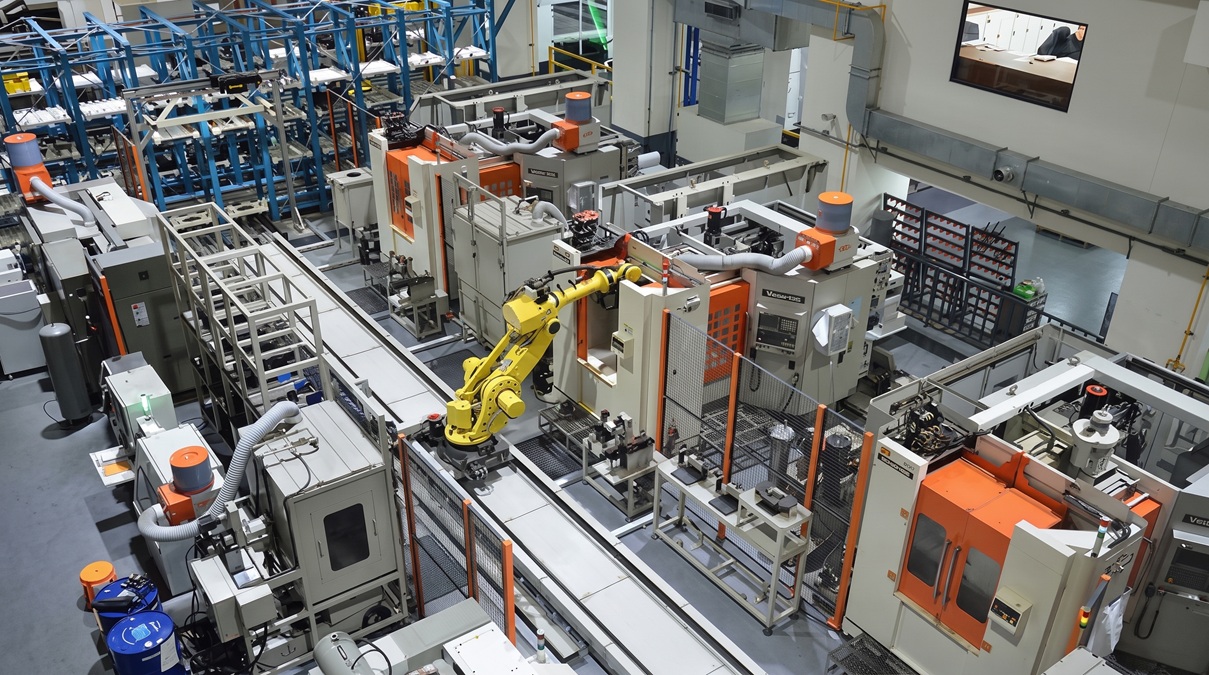
The Industrial IoT focuses on machinery and equipment within factories. IoT devices like sensors and automated controls can predict maintenance needs, allowing for timely maintenance that significantly reduces costly downtime and enhances safety. RFID tags can be used for supply chain tracking and for automated quality control systems.
Agricultural IoT
Agricultural IoT extends beyond traditional farming; it includes advanced systems like drone technology for aerial monitoring and automated irrigation systems that adjust based on weather forecasts and soil conditions. IoT sensors monitor soil moisture and nutrient levels to optimize water and fertilizer use, ensuring optimal growth conditions and significantly reducing resource waste.
Automotive IoT
Automotive IoT connected cars feature IoT applications for real-time navigation, traffic management, predictive maintenance, and in-vehicle infotainment. Furthermore, IoT integration facilitates the development of autonomous driving technologies by enabling vehicles to communicate with each other and with traffic infrastructure.
Unique Applications and Benefits
Environmental Monitoring
In environmental conservation, IoT devices monitor pollutants, track air or water quality in real-time, and can be used to track wildlife. Drones equipped with GPS and infrared cameras can detect forest fires at early stages or monitor water quality in real-time, providing data that can lead to more effective environmental protection policies.
Healthcare
In healthcare, IoT devices provide continuous monitoring for patients with chronic illnesses. Wearable ECG monitors and smart insulin monitors and pumps are prominent examples that improve patient quality of life and can significantly reduce healthcare costs. For the elderly, they offer enhanced independence, providing emergency notification systems that ensure quick responses in urgent situations.
Technology Behind IoT Devices
The technology behind IoT devices involves an array of components and strategies working together to achieve results. Sensors, processors, advances in miniaturization, and battery life have enabled these devices to be more versatile and integrated into daily life.
Sensors and Actuators
Sensors collect real-world data, from simple temperature monitoring to complex environmental data analytics. For example, modern homes can use carbon dioxide sensors to automatically activate air purification systems. Actuators, on the other hand, perform actions based on data received, like adjusting a valve or dimming lights.
Connectivity Protocols
IoT devices rely on low-power wireless communication technologies like Wi-Fi, Bluetooth, Zigbee, and LoRaWAN. These protocols balance range, power consumption, and data rate, ensuring devices stay connected with minimal energy use.
Edge Computing and AI Integration
Many devices now include edge computing capabilities, which process data locally to reduce latency and bandwidth usage. AI algorithms help filter data, enabling real-time decision-making for applications such as autonomous vehicles and industrial robotics.
Energy Efficiency
Battery longevity is crucial for IoT devices, especially in remote locations or applications like wearable devices. Techniques like ultra-low-power processors, solar panels or kinetic energy harvesting, and efficient data transmission are incorporated to extend battery life.
Miniaturization
The miniaturization of IoT devices has allowed them to become unobtrusive and more integrated into everyday objects. For example, smart fabrics and interactive surfaces are being developed with embedded sensors that do not interfere with the aesthetics or functionality of the product.
Security Features
Given the personal and sometimes sensitive data collected, IoT devices are designed with robust security features. Technologies such as end-to-end encryption for data transmission and multi-factor authentication are common practices to protect user data from breaches.
Manufacturing
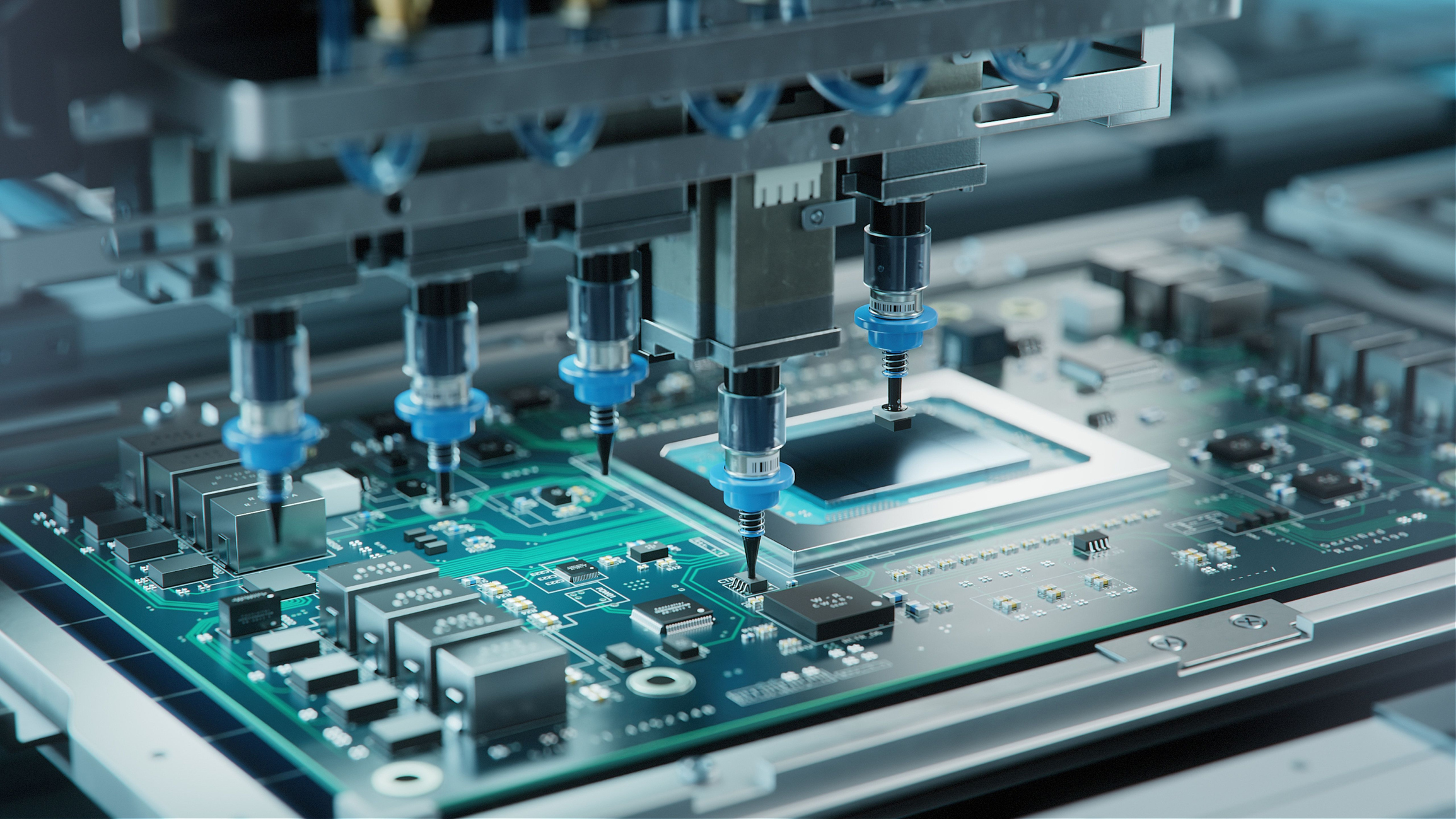
IoT devices are manufactured worldwide, with significant hubs in Taiwan, China, and South Korea. Taiwan, in particular, has a robust semiconductor and electronics manufacturing infrastructure, making it a vital player in IoT production. Major companies like Foxconn and TSMC have embraced IoT, leveraging their expertise to produce complex sensors, microprocessors, and communication modules required for IoT devices.
With predictions of more than 75 billion connected devices worldwide by 2025, along with advancements in 5G connectivity, which promises ultra-fast data transfer, and quantum computing, we can expect even greater integration of IoT technology into everyday life, driving innovations in virtually every aspect of our lives.