Types of Bicycles
Knowledge

Types of Bicycles

Bicycles continue to be one of the best means of transportation for saving energy and reducing carbon emissions. Bike markets are competitive with a broad range of styles including city bikes, single speed bikes, trail bikes, electric bikes, road bikes, mountain bikes, and hybrid bikes. Check out the differences and features.
Published: May 31, 2022
Types of Bicycles

Nowadays, environmental issues are important. Compared with automobiles and motorcycles, bicycles are a more optimal choice for energy saving and carbon reduction. Bikes are used for multiple purposes including participating in cycling competitions, riding on challenging mountain roads, or for commuting or shopping. The following introduces several types of bicycles and their features.

City Bike | Commuting and Outings

City bicycles, as the name suggests, are suitable for commuting or for short-distance outings in the "city". Strictly speaking, trail bikes and single-speed bikes also belong to this category. The most common type of city bicycles are bikes equipped with simple transmissions that can adapt to the high and low changes of terrain in the city. Because of their simple tire and frame design, if you ride on "off-road" conditions, such as unpaved roads, rocky bare ground, stone steps, etc. they may be dangerous due to insufficient shock absorption and stability.

Single Speed Bike | Simple and Fashionable

When the bicycle first came out, it used a single-gear design. Currently the single-speed bicycle refers to two types: single-speed and fixed gear bicycles. The former has a one-way free wheel which revolves without pedaling. With the original fixed gear, it was required to maintain pedaling and they had no brakes. Braking had to be done by putting backward pressure on the pedals.

Single-speed bikes were first used in track races. They were improved in pursuit of freedom and to ride in cities. They quickly became a trend, and for safety reasons brakes were added.

Folding Bike | Light and Portable

A "Folding Bike" is one form of trail bike. Its tires are about 20 inches or less in diameter, and pedaling is relatively easy and responsive. Because they are small and light weight, they make climbing trails easy, but they are not very stable. They are suitable for winding alleys in the city but not suitable for long journeys and high-speed riding.

The biggest advantage of the folding bike is that it is easy to carry and store, so can be easily combined with other means of transportation. The folding bike does not need to be disassembled, so its mobility is very convenient. In urban life, folding bikes are very convenient for residents with small elevators or even no elevators. In recent years, the development of folding bikes has become more and more diverse. There are basic urban leisure bikes, as well as mountain bikes and electric bike, etc., to meet various consumer needs.

Electric Bike | Energy Saving and Labor Saving

Although electric bikes are a boost to environmental protection, they were born more for convenience. Electric bikes can be more precisely divided into "electric bicycles" and "electrically assisted bicycles." The biggest difference between the two is that the latter can also be pedaled. Electric bicycles basically look closer to motorcycles than electrically assisted bikes. Electrically assisted bikes look more like bicycles, with the electricity being supplemented with manpower.

Road Bike | Distance Riding and Racing

The most frequently used bike in cycling sports events is the road bike. It was originally designed for balance and speed, with the frame and riding position tailored for human efficiency. The tires of road bikes are thinner than other types of bikes - most being around 23 to 28 mm wide. This minimizes friction with the ground, and combined with a forward leaning posture, gives good wind breaking efficiency. Their wheel diameters are generally larger and their body designs are generally lighter (under 10kg), making them more efficient and faster to ride.

However, road bikes are not suitable for all "road" conditions. They have excellent performance on flat ground and asphalt roads, but because shock absorption is not very efficient, they will be uncomfortable and can be easily damaged if ridden "off-road." Road bikes provide the pleasure of high-speed riding and the rush of wind against your face. Due to the forward leaning riding posture, beginners are advised to get accustomed to the bike and get used to using core muscles while riding.

Mountain Bike | Rugged Terrain

Mountain bikes are designed to overcome "off-road" conditions. Their tires are usually wide and thick with deep tread patterns to cope with bumpy, sandy, and uneven roads. They provide good traction, stability, and shock absorption on rough roads, but because they have large and heavy frames, (over 13 kg), they are more difficult to ride on flat roads.

Two main adaptations of mountain bikes are "touring bikes" and "downhill bikes". Touring bikes may be equipped with lock-on carrying bags and have comfortable seat cushions and riding positions suitable for long-distance travel. Downhill bikes are specially developed for extreme sports such as downhill racing.

Hybrid Bike | Adaptability

Hybrid bicycles are basically a type of vehicle that combines all the advantages of road bikes and mountain bikes, chosen to meet the particular needs of consumers. Generally speaking, hybrid bikes can ride well on the road, and can also handle most common "off-road" conditions (small gravel, gently sloping roads, etc.) If you are interested in cycling around the island, you may wish to experience the magic of hybrid cycling.

In this era of speed and efficiency, the prevalence of cycling has redefined life. The energy-saving and carbon-reducing features of bicycles add an extra degree of protection to the environment.

Published by May 31, 2022 Source :Our Trails

Further reading

You might also be interested in ...

Headline
Knowledge
How Anti-Static And Protective Films Reduce Surface Damage In Sensitive Manufacturing
In sensitive manufacturing, many costly defects do not begin with machine failure or operator error. They begin with static charge, airborne particles, micro-scratches, adhesive residue, and unnoticed surface contamination. These issues are often underestimated because they appear as scattered defects rather than one major failure. Yet in electronics, optics, display processing, and coated surface production, even small flaws can reduce yield, increase rework, slow inspection, and weaken final product quality.
Headline
Knowledge
What Buyers Should Know Before Choosing a Automatic Plastic Blow Molding Machine
For buyers, factory owners, and packaging manufacturers, selecting an automatic blow molding machine is no longer just a matter of comparing output speed or initial price. In real production environments, the performance of a plastic blowing machine is often determined by the quality and coordination of its core components. A machine may appear competitive on paper, yet still create costly problems once production begins. Uneven wall thickness, unstable parison formation, excessive scrap, slow cooling, and difficult maintenance are all issues that can usually be traced back to the design of several key modules. This is why experienced buyers tend to look beyond catalog specifications and focus instead on the machine’s screw, die head, clamping system, and cooling design. These components do more than support production. They directly influence product quality, material efficiency, energy use, maintenance frequency, and overall return on investment.
Headline
Knowledge
What Buyers Overlook When Choosing a Wire Harness Manufacturer
A practical guide to evaluating engineering support, quality control, customization and sourcing risk
Headline
Knowledge
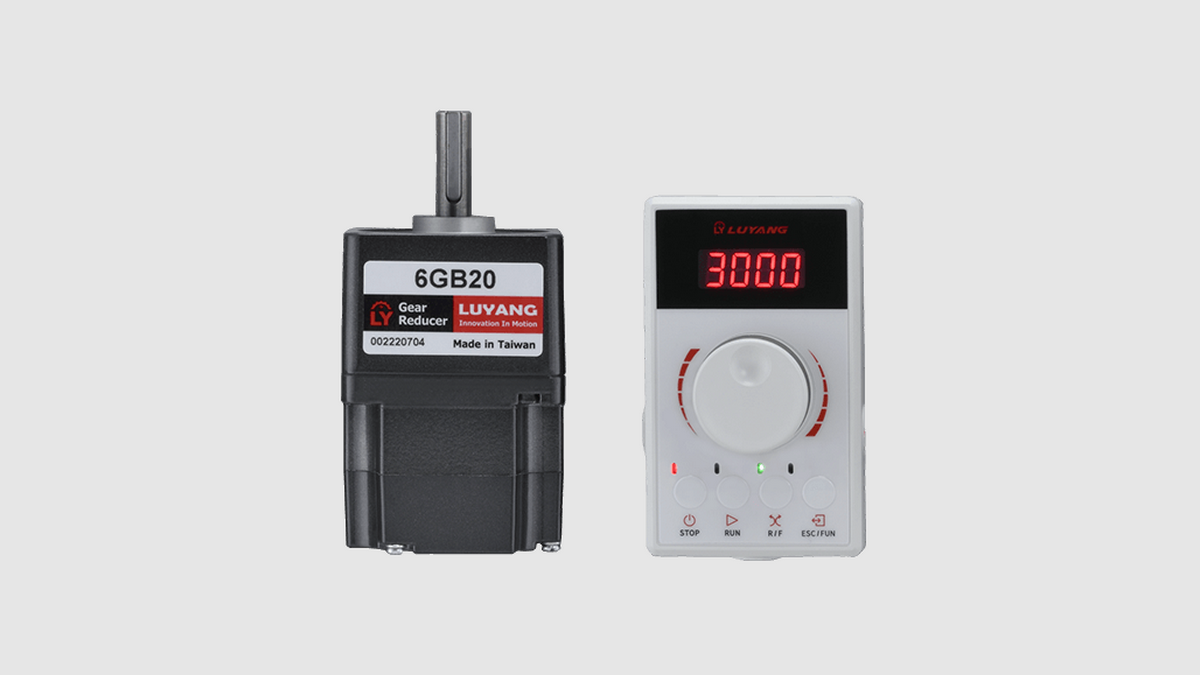
How High-Efficiency Gear Motors and Brushless Motors Support ESG and Energy Savings
Industrial motor efficiency directly affects a factory’s electricity use, carbon footprint, maintenance burden, and long-term operating cost. For factory owners, procurement teams, and equipment designers, choosing a more efficient gear motor or Brushless Motor is not only a technical upgrade. It is also a practical way to improve ESG performance, reduce energy waste, and strengthen return on investment. In most industrial facilities, motors are among the largest sources of electricity consumption. When motors run continuously in conveyors, packaging lines, automated machinery, food processing systems, and material handling equipment, even a modest improvement in efficiency can produce significant annual savings. That is why motor efficiency is increasingly linked to ESG strategy, cost control, and supply chain competitiveness.
Headline
Knowledge
Die Casting Vs. Forging: How To Choose Based On Strength, Geometry, And Volume
Choosing between die casting and forging affects far more than part cost. It influences structural performance, design flexibility, tooling strategy, machining requirements, lead time, and long-term production efficiency. When the wrong process is selected too early, projects often run into redesigns, extra machining, or higher-than-expected production costs. The right decision depends on how much strength is required, how complex the part geometry is, and whether the target is lower-volume production or stable high-volume output.
Headline
Knowledge
How Material Design Affects Fitness And Rehabilitation Rubber Products
In fitness and rehabilitation products, material design has a direct effect on performance, comfort, durability, hygiene, and long-term user trust. A resistance band that stretches unevenly, a grip that becomes slippery, or a flexible component that tears too early can quickly lead to complaints, returns, and lower confidence in the product. The key challenge is not simply choosing an elastic material. It is selecting and validating a material system that can perform consistently under repeated stretching, skin contact, sweat exposure, and ongoing mechanical stress.
Headline
Knowledge
Choosing the Right Coating for Paper Cups and Food Containers
Selecting the right coating for paper cups and food containers affects far more than leak resistance. For foodservice brands, importers, product teams, and packaging decision-makers, coating choice directly shapes heat resistance, grease performance, sealing behavior, disposal options, compliance risk, and overall cost. A paper cup or food container may look similar on the outside, but the coating often determines whether it performs well in real service conditions or creates problems after launch. That is why coating specifications should be defined early rather than treated as a minor detail after size, structure, or artwork are approved.
Headline
Knowledge
Understanding Lathe Types: Differences Between Manual, Engine, and CNC
When manufacturers evaluate different lathe types, the decision usually goes beyond machine specifications alone. Choosing between a **manual lathe**, an engine lathe, and a CNC lathe can influence production flexibility, machining consistency, labor requirements, and long-term investment efficiency. For many workshops, factories, and industrial buyers, understanding these differences is essential to selecting equipment that truly fits the job. In metalworking, the wrong machine choice can create avoidable problems. A machine that is too simple may limit output, while a machine that is too advanced may increase cost without delivering enough return. That is why buyers often need a clear, practical comparison rather than a purely technical definition. This article explains the differences between manual, engine, and CNC lathes, where each one performs best, and how buyers can choose the right type based on actual production needs.
Headline
Knowledge
Biometric, RFID or Face Recognition: Which Access Controller Fits Your Site Best?
What procurement and technical teams should review when selecting an access controller for security, throughput and long-term fit.
Headline
Knowledge
What Is a Food-Grade rPET Sheet Extrusion Line and How Does It Work?
A practical look at how recycled PET bottle flakes are converted into food-grade sheet materials for thermoformed packaging and other high-value applications.
Headline
Knowledge
What Is Fuel Injector Cleaner and How Does It Work?
Why Fuel Injector Cleaner Matters
Headline
Knowledge
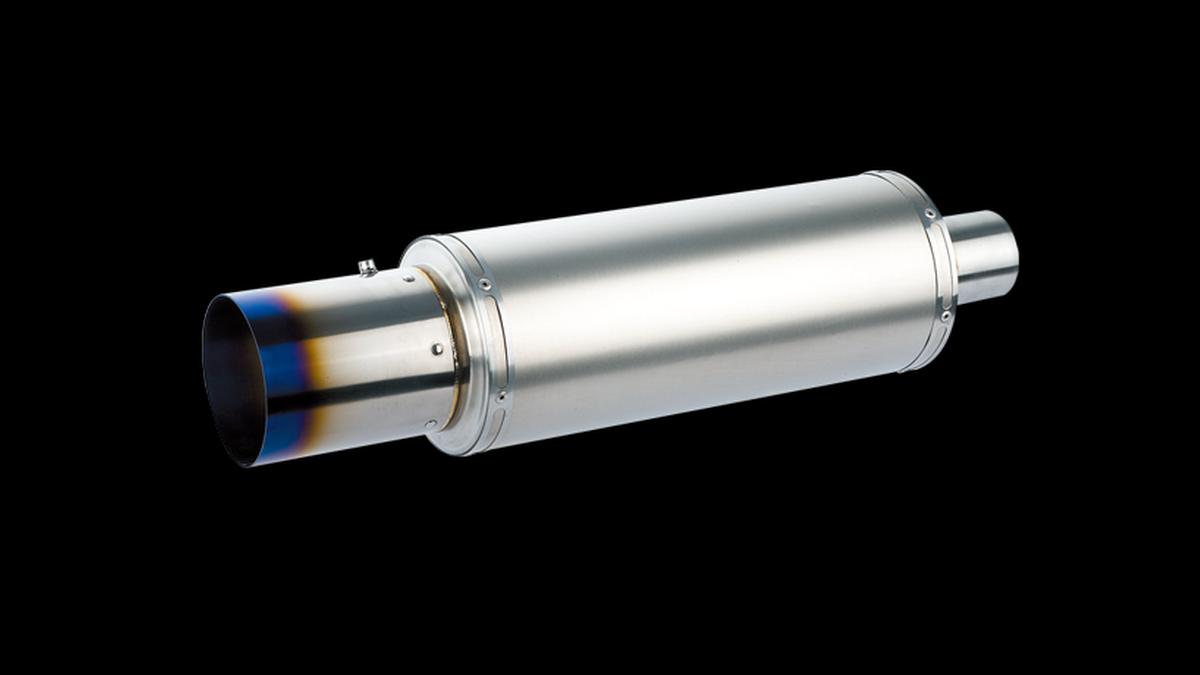
Stainless Steel vs. Titanium Mufflers: Which One Is Actually Worth Your Money in 2026?
If you have spent any time researching exhaust upgrades, you already know the debate: stainless steel or titanium? Both materials have earned their place in the automotive aftermarket, and both have passionate supporters. But when it comes to choosing the right exhaust muffler for your application, whether you are building a track car, upgrading a daily driver, or sourcing components for large-scale distribution, the material decision carries real consequences for performance, longevity, and cost.
Agree