The word comes from the English called plate metal. Generally, some metal sheets are plastically deformed by hand or die-stamping to form the desired shape and size and can be further formed by welding or a small amount of mechanical processing to form more complex parts.
What is sheet metal?
Broadly speaking, various types of metal plates are processed, such as sampling, cutting, bending, forming, tapping, welding, assembly, painting, etc. The common products are mainly used in automotive sheet metal, home electrical machinery shell, aerospace technology, sports equipment, office iron cabinet, computer equipment hardware equipment, mechanical equipment shell, air conditioning duct system, advertising billboard, metal utensils, kitchen Cabinets, architectural iron doors and windows, distribution boxes, etc. Therefore, the sheet metal industry can be said to be an indispensable professional technology in life!
- It is a processing method of automobile maintenance, also called cold making.
To be straightforward, if the appearance of the body is damaged or deformed, the process of sheet metal is needed to restore the original appearance.
The basic tool used is a hammer. Hammers with different shapes shim iron blocks behind the sheet metal parts and repeatedly strike to shape them.
The appearance repairer is also used when necessary. This thing actually belongs to welding. Weld the iron ring on the car body and use a hook to pull it out. Used for repairing depressed parts. A large flat body is generally difficult to get back in place, so sometimes it is used to close the fire. It is a local heating and cooling to shrink the iron sheet.
The ultimate goal is to restore the damaged body to its original appearance.
- Sheet metal: the meaning of sheet metal, that is, plate and sheet, is a series of processing of thin metal plates, including folding, shearing, punching, welding, riveting, splicing, and other processes.
- This is a design module, mainly for things made of sheet metal. He is different from the solid, the thickness of the solid varies, but the sheet metal is basically the same thickness, and there are many products made of sheet metal in life.
Sheet metal process
Metal plate processing is called sheet metal processing. For example, using plates to make chimneys, iron drums, oil tanks, etc., the main processes are cutting, bending, buckling, bending, welding, riveting, etc., which requires certain geometric knowledge. Sheet metal parts are sheet metal parts, that is, parts that can be processed by means of stamping, bending, stretching, etc. A general definition parts with constant thickness during the processing.
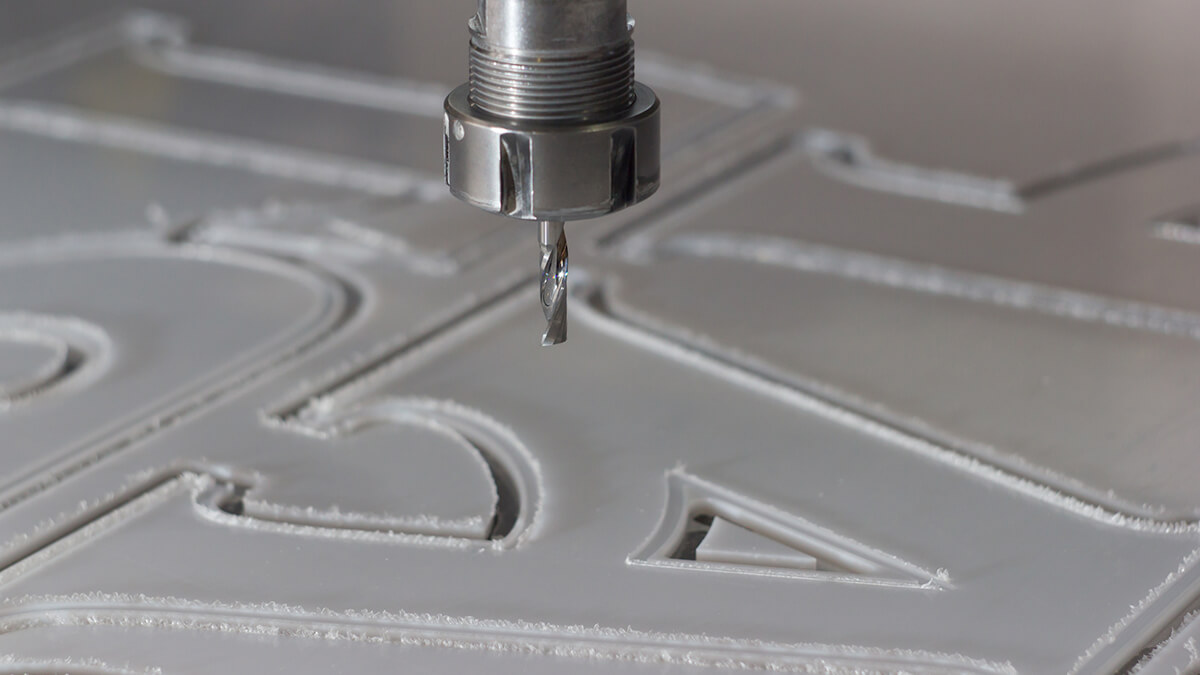
Generally, the three most important steps in a sheet metal factory are cutting, punching/cutting, and folding. Modern sheet metal processes include filament power winding, laser cutting, heavy processing, metal bonding, metal drawing, plasma cutting, precision welding, roll forming, metal sheet bending, die forging, water jet cutting, precision welding, etc.
In the current 3D software, SolidWorks, UG, Pro/E, SolidEdge, TopSolid, etc. all have a sheet metal part, mainly by editing the 3D graphics to obtain the data required for the processing of the sheet metal parts (such as the expanded view, the bending line, Etc.) and provide data for CNC Punching Machine/Laser, Plasma, Waterjet Cutting Machine/Laser, Plasma, Waterjet Cutting Machine/Combination Machine, and CNC Bending Machine, etc.
Laser application
The processing steps of the processed parts in the sheet metal workshop are product preliminary tests, product processing trial production, and product batch production. In the process of product manufacturing trial production, you should communicate with customers in time and get the corresponding processing evaluation before proceeding to the mass production of products.
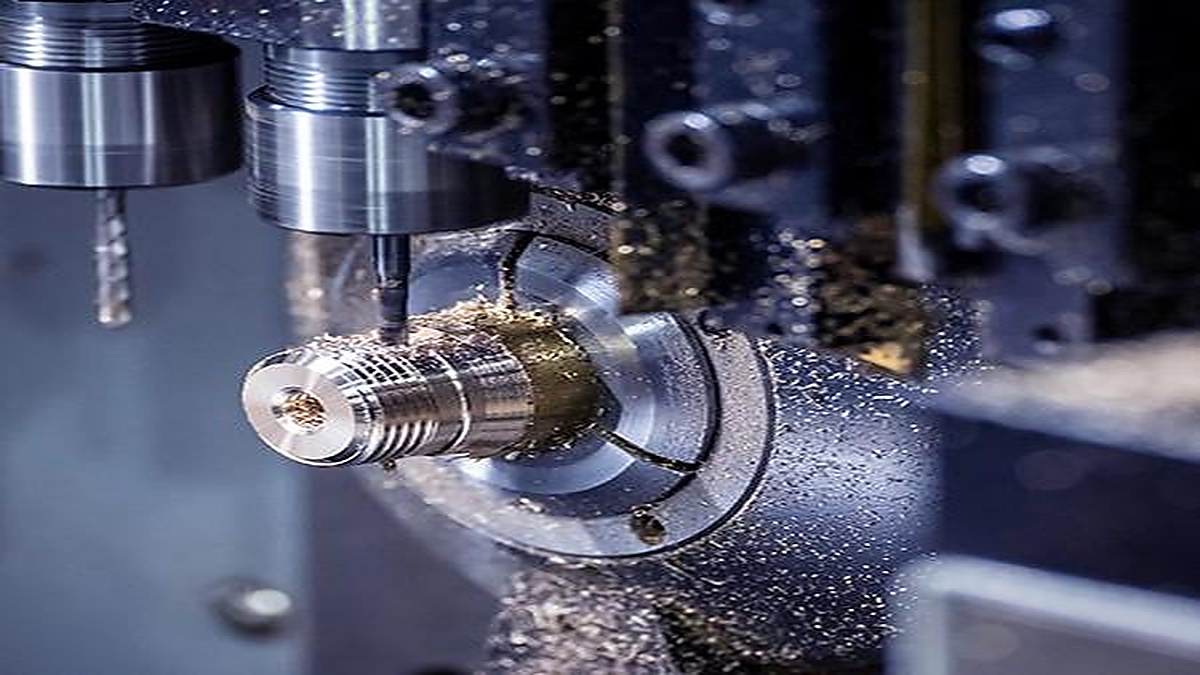
Laser drilling technology is the earliest practical laser technology in laser material processing technology. The laser drilling in the sheet metal workshop generally uses a pulsed laser, which has higher energy density and shorter time. It can process 1μm small holes, especially suitable for processing small holes with a certain angle and thin material, and is also suitable for processing strength. Deep and small holes and tiny holes on parts with higher hardness or brittle and soft materials.
The laser can realize the punching processing of the burner parts of the gas turbine, and the punching effect can realize the three-dimensional direction, and the number can reach thousands. Punchable materials include stainless steel, Inconel, and HASTELLOY based alloys. Laser drilling technology is not affected by the mechanical properties of materials, and it is relatively easy to realize automation.
With the development of the current laser drilling technology, the current laser drilling machine has realized automatic operation. The application in the sheet metal industry has changed the processing method of traditional sheet metal technology, realized unmanned operation, and provided a lot of production efficiency. , To achieve full-automatic operation in the whole process, driving the development of sheet metal economy, raising a grade in the punching effect, the processing effect is remarkable.





.jpg)