What Plumbing Products Should You Sell Online? Key Factors for E-commerce Businesses
Selling plumbing products online offers opportunities for retailers looking to expand into home improvement, bathroom, and kitchen product categories.
Published: Nov 17, 2026
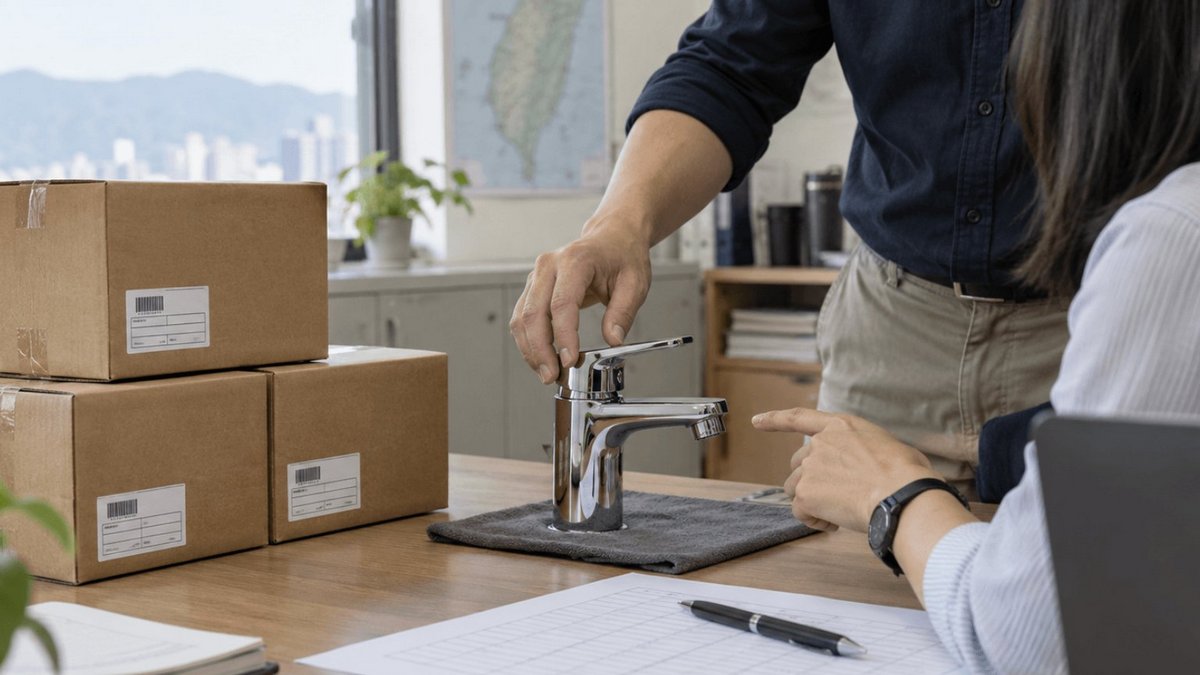
From faucets and shower accessories to replacement parts and drain fittings, these products serve different installation, maintenance, and renovation needs.
However, not every plumbing product is equally suited to e-commerce. Differences in installation requirements, product compatibility, shipping costs, and customer expectations can influence how easily a product can be sold and supported online.
For businesses entering this market, understanding the characteristics of each product category is an important first step toward building a manageable and practical product range.
Which Plumbing Products Are Suitable for Online Sales?
Several plumbing product categories are worth considering, depending on the retailer's target customers and sales strategy.
Faucets: Products for Kitchen and Bathroom Upgrades
Kitchen faucets, bathroom faucets, and shower faucets serve both functional and decorative purposes. Their designs, finishes, and configurations can appeal to customers renovating or upgrading their kitchens and bathrooms.
For online retailers, faucets offer opportunities to develop collections based on style, finish, or application. However, installation requirements must be clearly communicated, as mounting configurations and connection types can vary between products.
Retailers considering this category should evaluate the range of available designs, product specifications, and the level of installation information customers may require before purchasing.
Shower and Bathroom Accessories: Opportunities for Product Bundling
Shower heads, hand showers, hoses, and other bathroom accessories can be sold individually or grouped into coordinated product collections.
For example, retailers may offer compatible shower components or accessories with matching finishes, allowing customers to purchase related items together.
This category may appeal to businesses looking to expand their catalogs with complementary products rather than entirely separate product lines. However, product combinations should be based on verified compatibility and clearly identified components.
Faucet Repair Parts: Products for Specific Maintenance Needs
Faucet cartridges, stems, handles, valves, and related replacement components serve customers who need to repair or maintain existing fixtures.
Unlike products purchased primarily for appearance, replacement parts are often selected according to a specific technical requirement. Customers may need an exact component that matches an existing faucet model or internal mechanism.
For retailers, the main challenge is identifying products accurately. Clear part numbers, dimensions, and verified compatibility information can help customers distinguish between similar components.
This category may be suitable for businesses targeting maintenance and replacement needs, particularly when reliable product identification information is available.
Drain Fittings and Plumbing Accessories: Products with Defined Applications
Basin drains, sink strainers, P-traps, and related plumbing fittings serve specific installation and maintenance purposes.
These products are commonly selected according to their intended application, connection dimensions, and configuration.
For online retailers, organizing products by installation type or specification can make the catalog easier to navigate. Rather than offering numerous similar fittings without clear distinctions, businesses should prioritize products whose applications can be accurately identified and explained.
Key Factors When Selecting Plumbing Products for E-commerce
After identifying potential product categories, retailers need to determine which products best match their customers and operating capabilities.
1. Target Customers and Purchasing Needs
Different customers prioritize different product characteristics.
Homeowners purchasing bathroom fixtures may focus on appearance and ease of installation, while customers searching for replacement parts are more likely to prioritize compatibility and precise specifications.
Retailers should consider who their products are intended for and whether their catalog addresses renovation, maintenance, or replacement needs.
2. Product Compatibility and Technical Information
Plumbing products often depend on specific installation conditions, including connection sizes, mounting configurations, and component compatibility.
These requirements may differ between products and markets. Retailers should therefore verify the relevant specifications and applicable product standards before introducing new items.
Accurate dimensions, technical drawings, and installation information can help customers determine whether a product meets their requirements.
3. Packaging, Shipping, and After-sales Requirements
Product size, weight, and packaging requirements can affect storage and shipping costs.
Smaller replacement components may be relatively straightforward to store and transport, while larger faucet assemblies may require additional protective packaging.
Retailers should also consider the level of customer support associated with each product, including installation questions, damaged items, and replacement requests.
Evaluating these requirements alongside the purchase price provides a clearer picture of the costs involved in selling each category.
Start with a Focused Product Range Before Expanding
Introducing too many plumbing products at once can increase inventory requirements and make product management more complicated, particularly for businesses entering a new category.
A more practical approach may be to begin with a limited selection that serves a clearly defined customer need.
For example, a retailer targeting bathroom renovations might initially offer a small collection of faucets and compatible accessories. A business focused on maintenance products could begin with replacement components for specific applications.
After launching these products, retailers can review sales performance, customer inquiries, return reasons, and inventory turnover before deciding which categories or variations to add.
This approach allows businesses to develop their product selection based on actual customer responses rather than expanding their catalogs without sufficient information.
What to Look for in a Plumbing Product Supplier
Once retailers have identified suitable products, the next step is finding a supplier capable of supporting their sourcing requirements.
Beyond comparing unit prices, businesses should evaluate several factors:
Product specifications and quality: Availability of technical documentation, samples, and relevant quality control procedures.
Order quantities: Minimum order requirements for different products, finishes, or packaging options.
Packaging and delivery: Packaging suitability, production lead times, and conditions for repeat orders.
Product range and customization: Availability of related products and options for future product or branding requirements.
Manufacturers offering multiple related product categories may be useful for retailers planning to expand their selections over time.
For example, Byson supplies faucets, plumbing accessories, and bathroom and kitchen products, with OEM options and flexible order quantities for certain sourcing requirements. These capabilities represent some of the factors online retailers may consider when evaluating suppliers for an initial product range and future expansion.
Specific order quantities, customization options, and technical requirements should be confirmed with the manufacturer before purchasing.
Building a Product Range That Fits Your E-commerce Business
Choosing plumbing products for online sales requires balancing customer needs, product characteristics, and operational requirements. A product category that works well for one retailer may not be suitable for another, particularly when installation complexity, shipping costs, and after-sales support differ.
Rather than focusing on the number of products offered, businesses can begin with categories they understand and can support effectively. Expanding the selection based on customer feedback and actual sales results can help retailers develop a more manageable plumbing product catalog over time.
Published by Nov 17, 2026
Source: Byson E-commerce