Hydrogen Energy in Manufacturing Industry’s Energy Transition
Trend
Hydrogen Energy in Manufacturing Industry’s Energy Transition
Hydrogen energy is regarded as the "energy carrier of the 21st century." It is not only an alternative to traditional fuels but also a critical pillar for the manufacturing industry in achieving Net Zero and driving the Energy Transition. Since hydrogen combustion produces only water without emitting carbon dioxide, when combined with renewable energy-based hydrogen production technologies, its applications span industrial processes, transportation, energy storage, and grid balancing.
2025-08-20 15:18:54
High-Precision Machining in Machine Tools: The Synergy of CAD/CAM and Direct-Drive Spindles
Trend
High-Precision Machining in Machine Tools: The Synergy of CAD/CAM and Direct-Drive Spindles
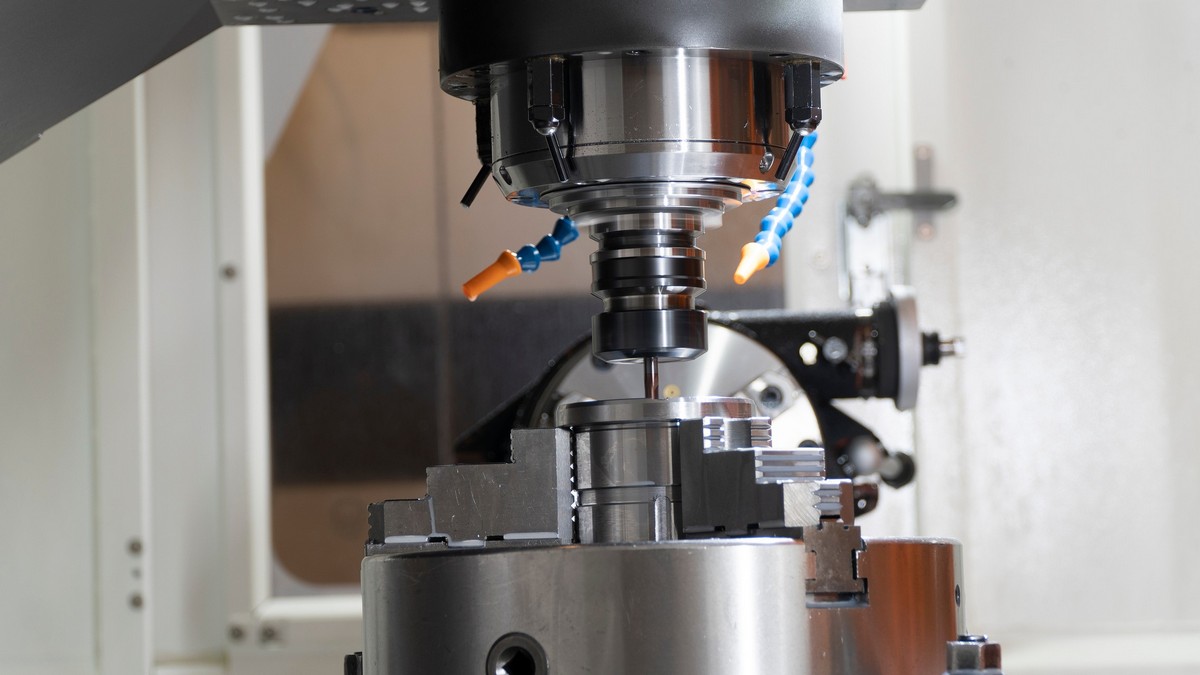
Machine tools are the cornerstone of modern manufacturing, holding an irreplaceable role in core industries such as aerospace, semiconductors, medical equipment, and renewable energy. As product designs become increasingly sophisticated and quality standards grow more stringent, traditional machining approaches are no longer sufficient. For this reason, the precise planning provided by CAD/CAM software, together with the stable high-speed cutting power of direct-drive spindles, has emerged as the foundation of high-precision machining. This article explores the synergy between software and hardware — from the digital blueprint created by CAD/CAM, to the precise execution enabled by direct-drive spindles, and finally to closed-loop control and global application trends — offering a comprehensive perspective on the technological developments shaping the machine tool industry.
2025-08-20 14:44:45
The Crucial Role of ESG Compliance for Manufacturers: Navigating Global Markets and Advancing Sustainable Development
Trend
The Crucial Role of ESG Compliance for Manufacturers: Navigating Global Markets and Advancing Sustainable Development
As the world increasingly focuses on sustainable development, SDGs (Sustainable Development Goals) and ESG (Environmental, Social, and Governance) have become central frameworks for business development. While neither is legally binding on its own, governments and international organizations are gradually using legislation, policies, and regulations to push companies to integrate sustainability goals into their operations. For manufacturers, particularly those exporting products abroad, adhering to these frameworks has become crucial.
2025-08-20 11:29:59
Material Handling Equipment Is Quietly Transforming!  Unveiling the Future Trends of the Forklift Industry
Trend
Material Handling Equipment Is Quietly Transforming! Unveiling the Future Trends of the Forklift Industry
Amid the rapid evolution of the global logistics and manufacturing landscape, the forklift industry is undergoing profound transformation. No longer merely a basic tool for warehouse handling, forklifts have become core equipment integrating new technologies, responding to environmental policies, and riding the wave of digital transformation. In e-commerce warehouses, smart factories, and traditional production lines, forklifts now represent intelligence, eco-efficiency, and high-performance operations rather than simple material transport.
2025-08-19 13:48:27
Intelligent High-Voltage Capacitors: Market Growth
Trend
Intelligent High-Voltage Capacitors: Market Growth
The global high-voltage capacitor market is experiencing strong growth. This expansion is primarily driven by modernization of power infrastructure, increasing adoption of renewable energy (such as wind and solar), rising demand from electric vehicles and Industry 4.0, and especially the need for high-voltage direct current (HVDC) systems to ensure stable power transmission and capacity management. Among global regions, the Asia-Pacific area is the fastest-growing market, with China, Japan, and India showing simultaneous growth in both power equipment manufacturing and end-user demand. The regional CAGR is projected to reach 11.6%.
2025-08-19 12:15:04
Bio-Based Lubricants: Driving Sustainability in Manufacturing
Trend
Bio-Based Lubricants: Driving Sustainability in Manufacturing
Traditional petroleum-based lubricants are increasingly challenged due to their environmental pollution and high carbon emissions, as well as stricter environmental regulations. Bio-based lubricants, with their superior environmental performance—including high biodegradability, low toxicity, and renewable resource origins—are becoming an important solution for companies seeking green transformation and regulatory compliance. Moreover, global regions such as the European Union and the United States support the development of bio-based products through agricultural departments, further expanding the market, especially in automotive, heavy equipment, food processing, and power generation sectors.
2025-08-19 12:08:18
Green Advantages of Turn-Mill Machining: Environmental Protection and Sustainability
Trend
Green Advantages of Turn-Mill Machining: Environmental Protection and Sustainability
With global efforts toward environmental sustainability and net-zero carbon targets accelerating, the manufacturing sector is undergoing a rapid green transformation, seeking new technologies to reduce energy consumption and minimize waste. Traditional manufacturing methods, with their high energy demands and significant waste generation, place heavy pressure on the environment. Modern turn-mill composite machining technology—through high-rigidity design and intelligent energy management systems—can effectively lower per-part processing energy consumption by around 10%, improve efficiency, and reduce equipment footprint to shrink the carbon footprint. Advanced energy-saving variable-frequency control combined with intelligent cooling and real-time process monitoring enables low-carbon manufacturing while improving yield, helping manufacturers achieve net-zero goals without compromising competitiveness. These innovations are setting a new benchmark for green, intelligent manufacturing, driving the sustainable development of global industry.
2025-08-19 11:59:13
Comfort and Breathability Function: The Trend of Sustainable Development and Eco-friendly Materials
Trend
Comfort and Breathability Function: The Trend of Sustainable Development and Eco-friendly Materials
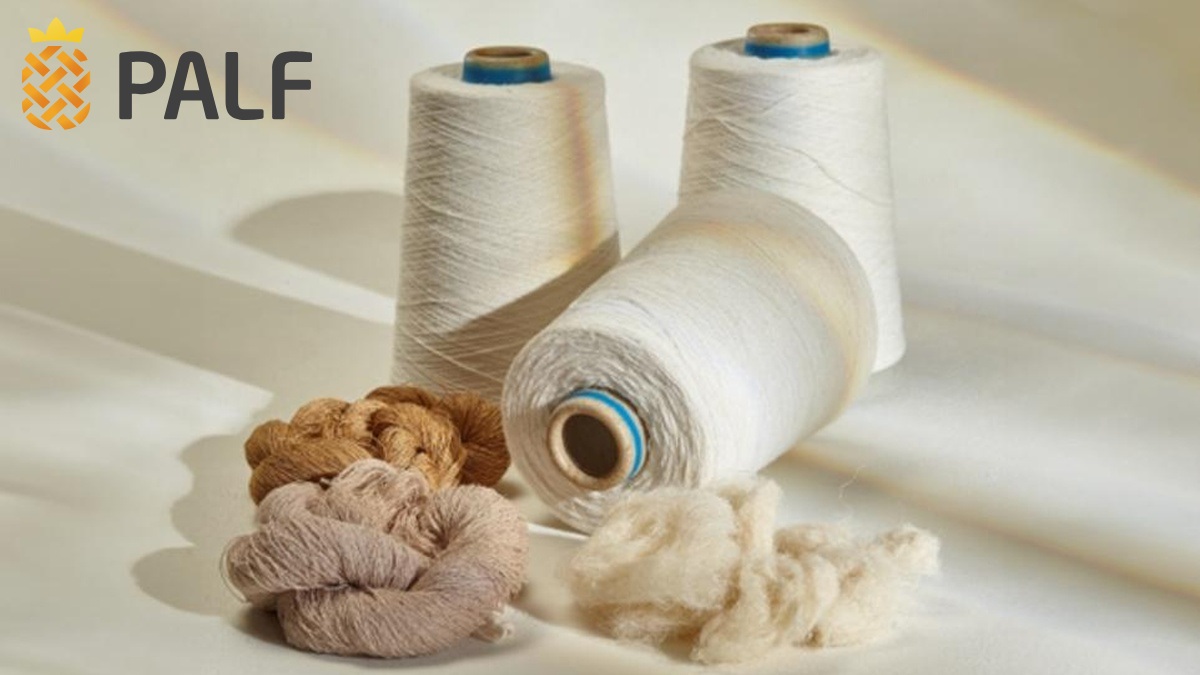
In today’s textile industry, with the growing awareness of environmental protection, sustainable development and eco-friendly materials have become mainstream trends. This fabric for sports support and rehabilitation braces is designed for long-term wear, providing exceptional comfort while offering excellent breathability. Its breathable properties effectively keep the skin dry, reducing odors and bacterial growth, ensuring the freshness and hygiene of the wearer.
2025-08-18 15:16:19
AI Maglev Conveyor Systems: “Floating” into the Future of Manufacturing Logistics
Trend
AI Maglev Conveyor Systems: “Floating” into the Future of Manufacturing Logistics
Imagine goods no longer moving on rollers or belts, but gliding silently through the air like floating little trains—this is the magic of AI Maglev Conveyor systems. Magnetic levitation creates zero friction, low energy consumption, and minimal maintenance, while AI acts as a smart dispatcher, instantly rerouting, adjusting speed, and scheduling, making production lines unbelievably flexible. It’s not just cool—it can serve high-precision manufacturing like semiconductors and medical devices, with virtually no vibration. The market is skyrocketing, with manufacturing giants in China, Europe, and the U.S. racing to adopt it. Although the initial investment is high, the long-term benefits—energy savings, reduced maintenance, and efficiency gains—are remarkable. In the future, it will become the transport hub of smart factories, coordinating robots, systems, and human labor, so that walking into the facility feels like watching a silent, precise, and seamless showcase of future material handling.
2025-08-18 13:53:55
The Rise of Digital Textile Printing: Replacing Traditional Dyeing and Printing, Moving Toward a Low-Pollution, Zero-Inventory Era
Trend
The Rise of Digital Textile Printing: Replacing Traditional Dyeing and Printing, Moving Toward a Low-Pollution, Zero-Inventory Era
Traditional textile dyeing and printing have long been criticized for their high water consumption, heavy use of chemicals, and high energy demand—factors that not only impose a severe burden on the environment but also put pressure on the textile industry as it faces increasingly stringent environmental regulations. With the advancement of global sustainability policies and growing consumer awareness of environmental protection, Digital Textile Printing (DTP) has gradually come into the spotlight, emerging as a key direction for textile industry transformation. Featuring flexible production models, reduced environmental impact, and the ability to support small-batch, diversified designs, this technology is rapidly reshaping the landscape of the printing and dyeing sector.
2025-08-15 13:56:49
Agree