
Insights
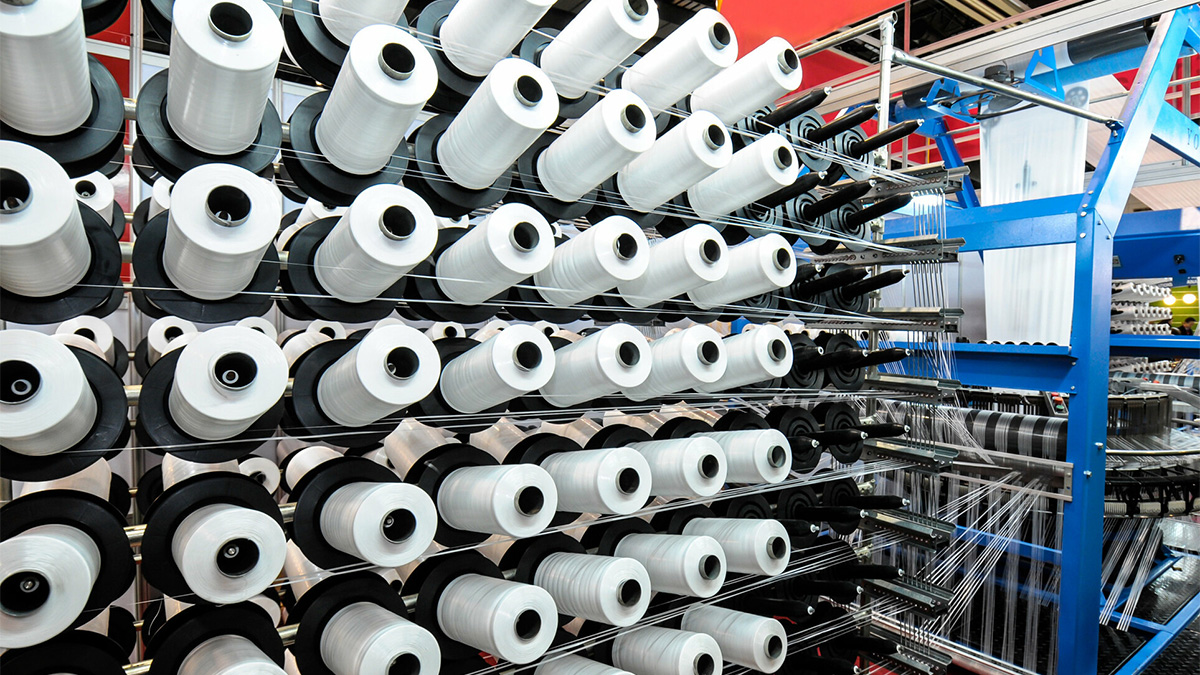
A textile machine is any one of the machines used for taking natural fibers or chemical fibers and making them into textiles. Different fibers like cotton, hemp, hair, etc., have different kinds of processing required to change them into textiles, therefore a variety of different “textile machines” are used to perform these processes.
2022-04-13 14:25:08

This may seem like a simple question, but that confuses many people. It is also, one of the most popular issues discussed on Quora. So, we are going to delve into this question and see if we can shed some the light on the main differences between IT and Telecommunications.
2022-04-13 13:58:55

Machining is one of the most important cutting process used in any manufacturing industry. There are many different processing methods and each of these methods may require the use many different cutting tools. With each tool corresponding to a different cutting process, often problems can occur which not only affect the machining accuracy, but also the quality of the workpiece, and can even cause accidents. Understanding the cutting processes, machine tools used, and factors affecting accuracy are important for avoiding problems. Understanding the basics of cutting processing and smart tools will make your machining more effective and require less effort.
2022-04-13 10:38:50

Smart manufacturing utilizes advanced manufacturing technology and provides solutions through AI, the Internet of Things, big data, cloud, edge computing, and other technologies to substitute the production process with an intelligent manufacturing model and customize products according to customer needs.
2022-04-12 13:09:50

The global chip shortage, now dragging into its second year, has shaken the electronics industry to its core, crimping the world's ability to build everything from cars to consumer goods and raising prices, and there are a lot of variables complicating the recovery.
2022-04-12 10:53:46

From cars to computers, coffee machines to children’s toys, almost everything we use on an everyday basis is produced by manufacturers. So manufacturing is often described as a key building block of society. Manufacturing has evolved over the centuries, from human-centered methods to machine-reliant assembly lines to the highly automated factories we’re beginning to see more of today. As industry continues to evolve, numerous trends are combining to transform manufacturing. These quickly developing new trends have emerged so fast that they have been referred to as “Industry 4.0.”
2022-04-12 10:13:22

Self-driving cars rely on technologies such as Advanced Driver Assistance Systems (ADAS) and the Internet of Vehicles.
2022-04-12 10:21:45

Through the assistance and support of the service industry, we can add value to the manufacturing industry, enhance the international competitiveness of the manufacturing industry, and create greater comparative advantages and profit space.
2022-04-08 14:18:09

In the next 10 years, the global auto industry will face the most significant change in history, with electric vehicles replacing internal combustion engine vehicles.
2022-04-08 13:04:14
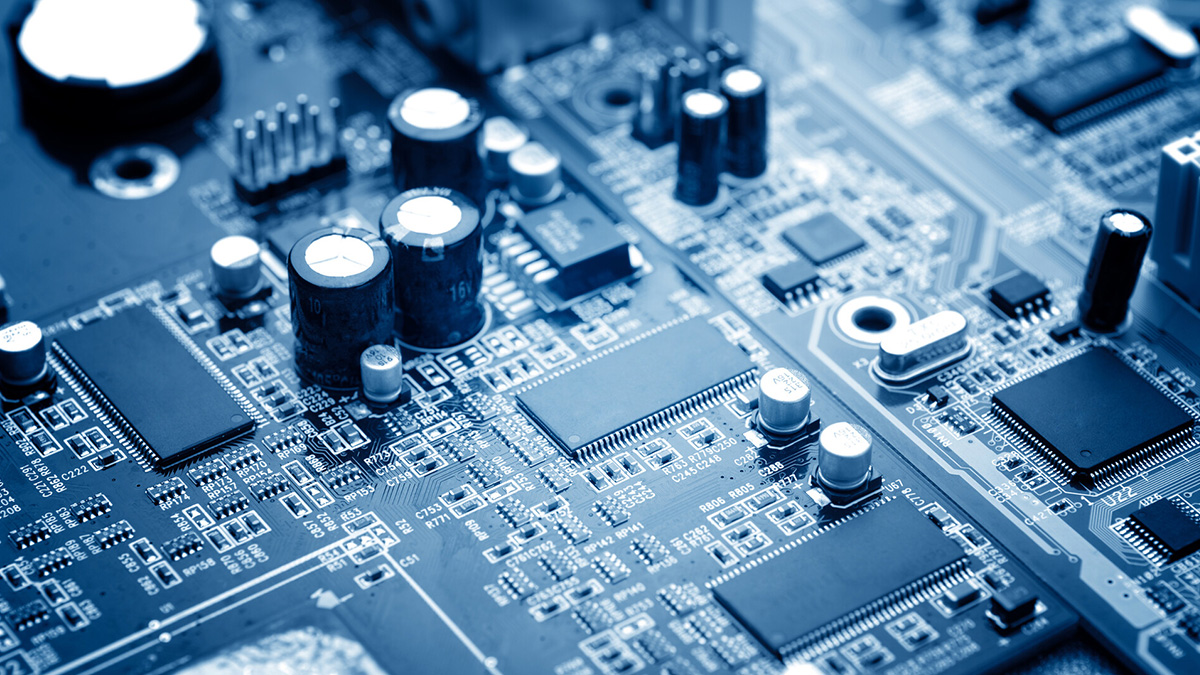
Governments are actively promoting the development of regional semiconductor supply chains. AI combines emerging technologies and applications such as the Internet of Things, automotive electronics, and compound semiconductors to drive the growth momentum of the semiconductor industry.
2022-04-01 16:42:17
Hot Topic
Agree