
Insights

With the development of technology and the gradual shortage of working manpower, more and more AI intelligent robots have been developed and officially applied in the workplace. How should human beings think and respond to such a wave of technology? Will jobs really be completely replaced?
2022-09-26 16:18:32

Object detection has long been an application of computer vision plus machine learning to detect certain classes of semantic objects in digital images and videos.
2022-09-26 14:57:33

OpenCV can be used to develop real-time image processing, computer vision, and pattern recognition programs. Computer vision technology is becoming more and more widely used, and there are many software tools and libraries that can be used to build computer vision applications, including OpenCV.
2022-09-26 11:17:59

The Gig economy is closely related to the platform economy. People can use various types of online platforms to quickly match jobs in real-time so that the types of jobs covered by the gig economy platform are more diversified and the gig workers can develop rapidly.
2022-09-23 16:30:12

Digital Image Processing is a method and technology for removing noise, enhancing, restoring, segmenting, and extracting features through a computer.
2022-09-23 13:07:56
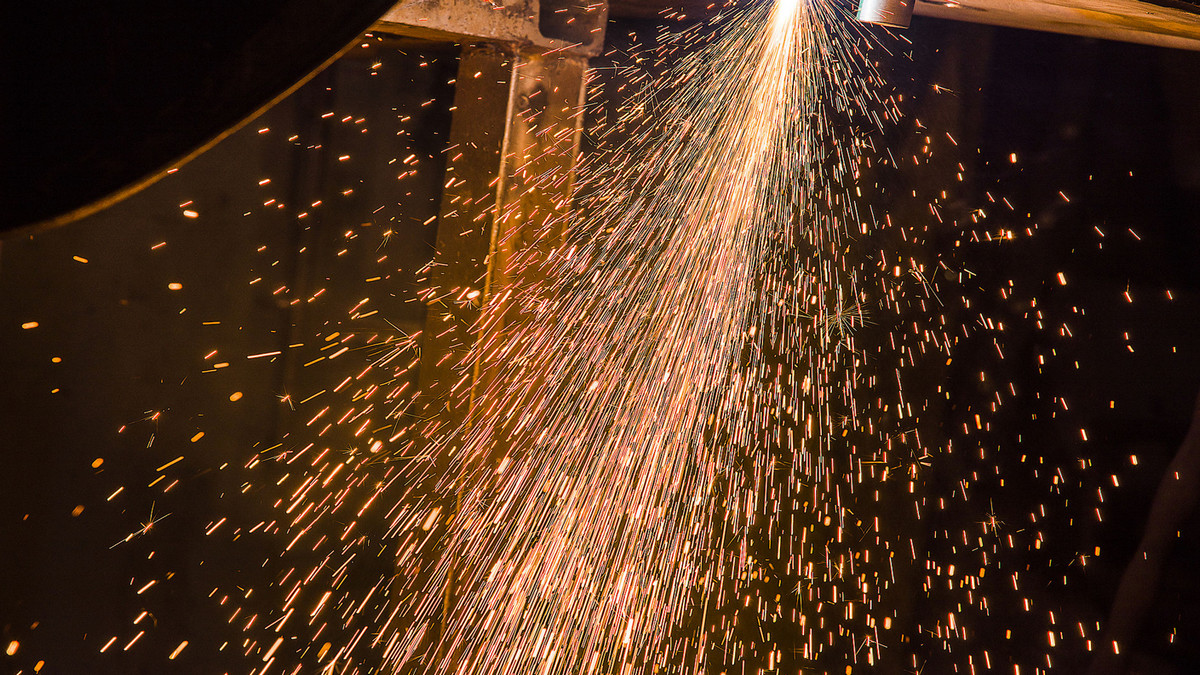
The technology of welding is actually connecting two metals together. Its history can be traced back to thousands of years, but it is a technology with a long history, and since its development, welding technology has continued to improve and update.
2022-09-22 17:38:53
The real power of quantum computers is not the speed of computing, but the ability to process problems in parallel. By harnessing the uncertainty of quantum physics, it could revolutionize medicine, accelerate artificial intelligence, and upend cryptography.
2022-09-22 14:07:12
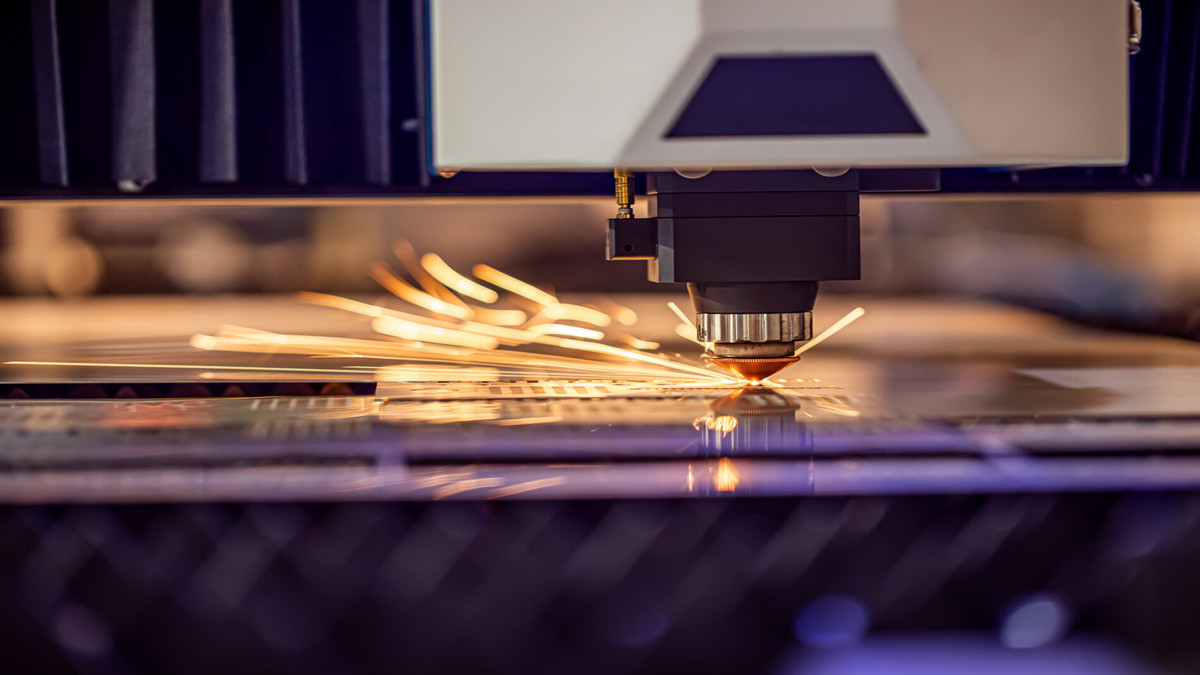
Cutting technology has many different processing techniques, and laser cutting can perform more complex and precise cutting requirements, which is also a common processing technique in industrial manufacturing.
2022-09-21 16:18:41

Tiny AI integrates low-power, small-volume NPU, and MCU adapts to various mainstream 3D sensors in the market. And supports three mainstream 3D sensing technologies such as structured light, ToF, and binocular stereo vision, to meet the needs of voice, image, and so on to identify needs.
2022-09-21 09:55:06
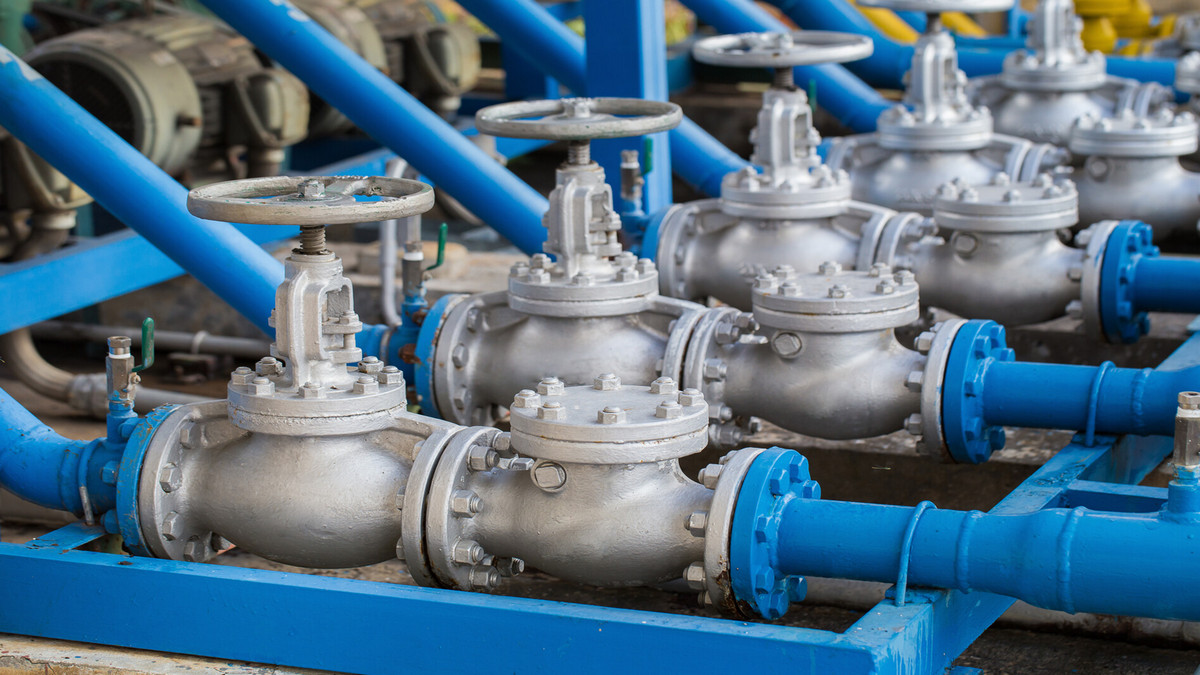
Valve is an important adjustment device in the fluid transportation system, which can basically control the on-off, flow and flow direction of the fluid. There are many types and specifications of valves, and the valves used for different work requirements are also different. The working principles, advantages and disadvantages of 5 common types of valves are described below.
2022-09-20 17:01:25
Hot Topic
Agree