On the shop floor, the rise of electric vehicles (EVs) and next-generation aircraft means one thing: you're cutting more aluminum than ever before. While this material offers fantastic strength-to-weight properties, it brings a unique set of headaches—gummy build-up, stringy chips, and a tendency to work-harden.
Decoding the Aluminum Alloys: What You're Up Against
The first step is understanding your material. While "aluminum" is a catch-all term, the alloys differ significantly:
- 6000-Series (e.g., 6061): Common for structural components, known for good machinability.
- 7000-Series (e.g., 7075): High-strength aerospace alloys; very abrasive and demanding on tools.
- Casting Alloys (e.g., A356): Widely used for EV components like motor housings; often contain 9-12% silicon, making them extremely abrasive and a primary cause of premature blade wear.
Top Sawing Challenges & Shop Floor Solutions
-
Built-Up Edge (BUE) and Chip Welding
- The Symptom: Chips are fused to the blade teeth, leading to a rough cut surface and increased drag.
- The Fix: Increase blade surface speed (SFPM) for a cleaner, shearing cut. Use a blade with a positive rake angle and ensure your coolant has good lubricity and is flooding the cut.
-
Work Hardening
- The Symptom: The blade seems to "skate" over the material, failing to bite.
- The Fix: Maintain adequate, consistent feed pressure to ensure the teeth are penetrating and cutting, not rubbing. Always start with a sharp blade.
-
Poor Chip Evacuation
- The Symptom: Long, stringy chips are wrapped around the blade and machine components.
- The Fix: Service your chip brush regularly, ensuring it makes firm contact with the blade. Verify coolant nozzles are unclogged and aimed directly at the cut zone to wash chips away.
Equipment and Brands: Choosing the Right Partner
The right machine makes all the difference. You need a bandsaw designed for the high speeds and efficient chip evacuation that aluminum demands. The market includes several key players whose equipment is suited for these tasks:
-
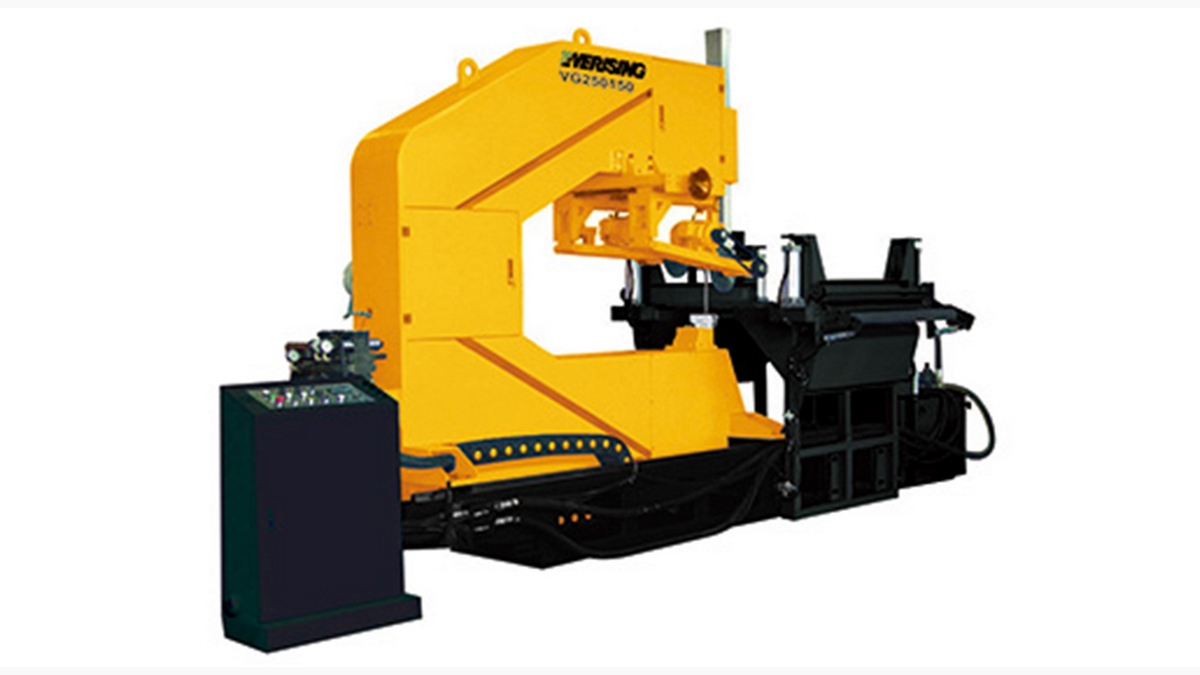
Everising (Taiwan): This company provides robust medium to large bandsaws engineered for diverse material challenges. Their machines are recognized for delivering professional-grade performance and are a popular choice for job shops and fabricators worldwide needing to handle aluminum efficiently.
- KASTO Maschinenbau (Germany): Known for high-quality, innovative, and user-friendly sawing and storage systems, Kasto emphasizes energy efficiency and digital integration.
- Cosen Saws (USA): A prominent manufacturer offering a range of semi-automatic and automatic bandsaws known for their cost-effectiveness and reliability in cutting non-ferrous metals like aluminum.
- 锯力煌 (Julihuang) (China): A specialized "Little Giant" enterprise in China's bandsaw industry, focusing on the R&D and manufacturing of metal sawing equipment and automated production lines, with products exported to over 30 countries and regions.
Technical Checklist for Optimizing Aluminum Sawing
| Variable |
Recommendation for Aluminum |
Rationale |
| Blade Speed (SFPM) |
High (e.g., 1,500 - 3,000+) |
Promotes shearing, reduces heat and BUE. |
| Tooth Geometry |
Positive rake angle, variable pitch |
Aggressive, free-cutting action with lower cutting forces. |
| Coolant |
Essential - use a lubricity-focused type |
Cools, lubricates to prevent BUE, and flushes chips. |
| Chip Brush |
Non-negotiable - must be functional |
Critical for preventing chip carry-over and gullet loading. |
Conclusion
Successfully sawing modern aluminum alloys is less about brute force and more about precision and finesse. By respecting the material's characteristics, applying targeted techniques, and utilizing equipment designed for the task, you can dramatically improve your cut quality, extend blade life, and reduce costly downtime.

(4059)(20260924)(原).jpg)
(2367)(20260924)(原).jpg)